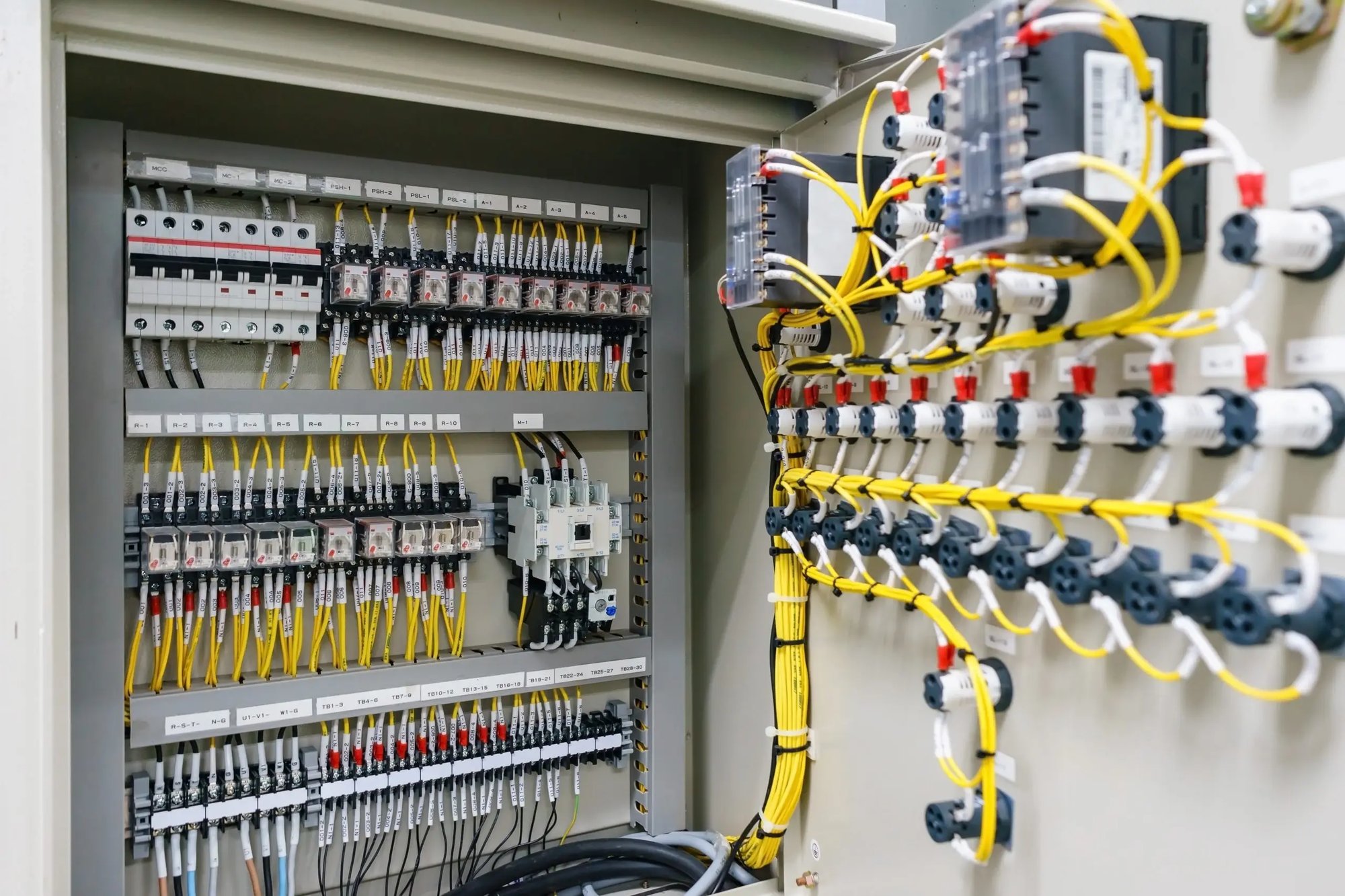
Electrical fault detection for panels, MCCs & switch gear systems.
Identify early fault signals inside switchgear, panels, and electrical infrastructure - before nuisance trips, equipment damage, or safety risks escalate.
What This Often Means
Electrical degradation — such as insulation breakdown, arcing, or partial discharge — may be developing inside switchgear or panels before traditional alarms or catastrophic failure events occur. By the time visible faults appear, safety and operational risk may already be elevated.
What To Do Next
Talk to an engineer to review your HV and LV environment and determine whether early signal detection could reduce fault risk and unnecessary energized inspections.
Designed for electrical reliability engineers, facility operators, and maintenance leaders responsible for critical infrastructure uptime and safety.
Built for facilities, data centers, and industrial environments where electrical reliability and safety are non-negotiable.

-
 Unexpected equipment shutdowns or line stoppages
-
 Nuisance trips that obscure the underlying electrical issue
-
 Overheated conductors, terminals, or components
-
 Emergency troubleshooting under energized conditions
-
 Increased safety exposure and liability during energized inspection or repair
When panels, MCCs, busbars, or distribution equipment begin to experience issues, teams often notice:
By the time a fault triggers a trip, the underlying condition has usually been developing well before any alarm or visible sign.
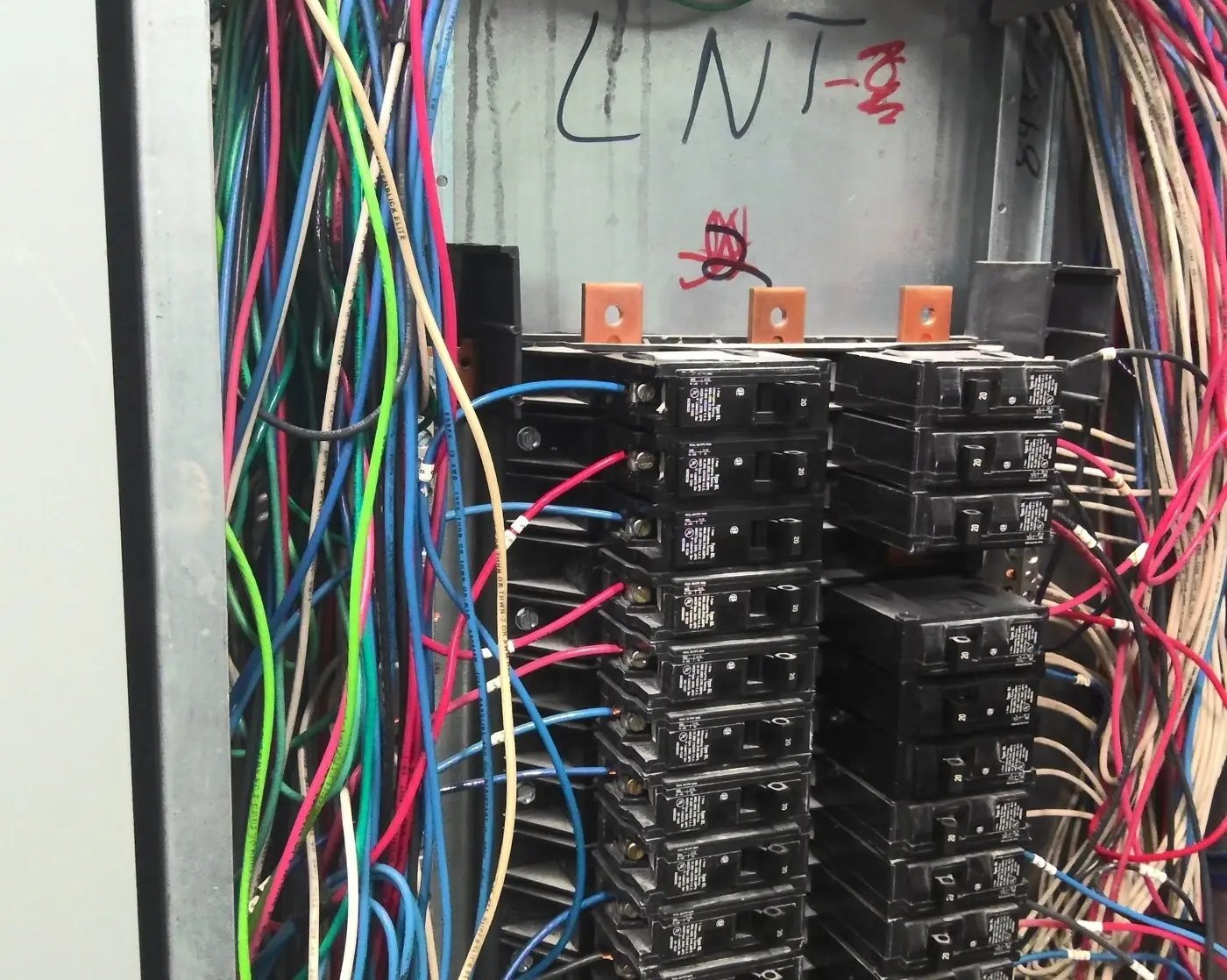
Internally, teams describe this as:
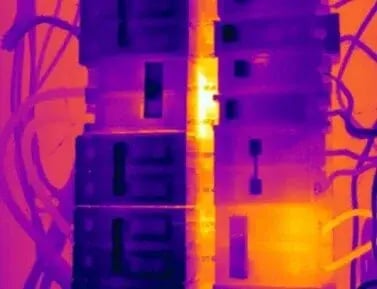
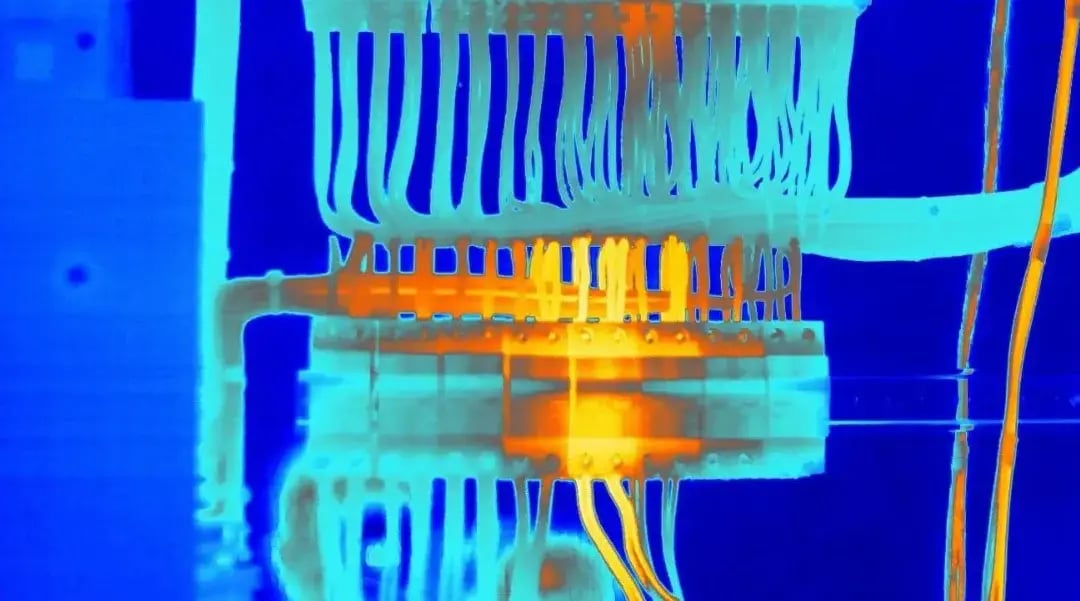
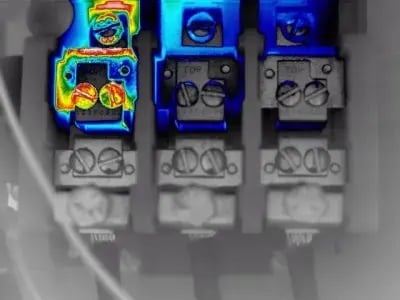
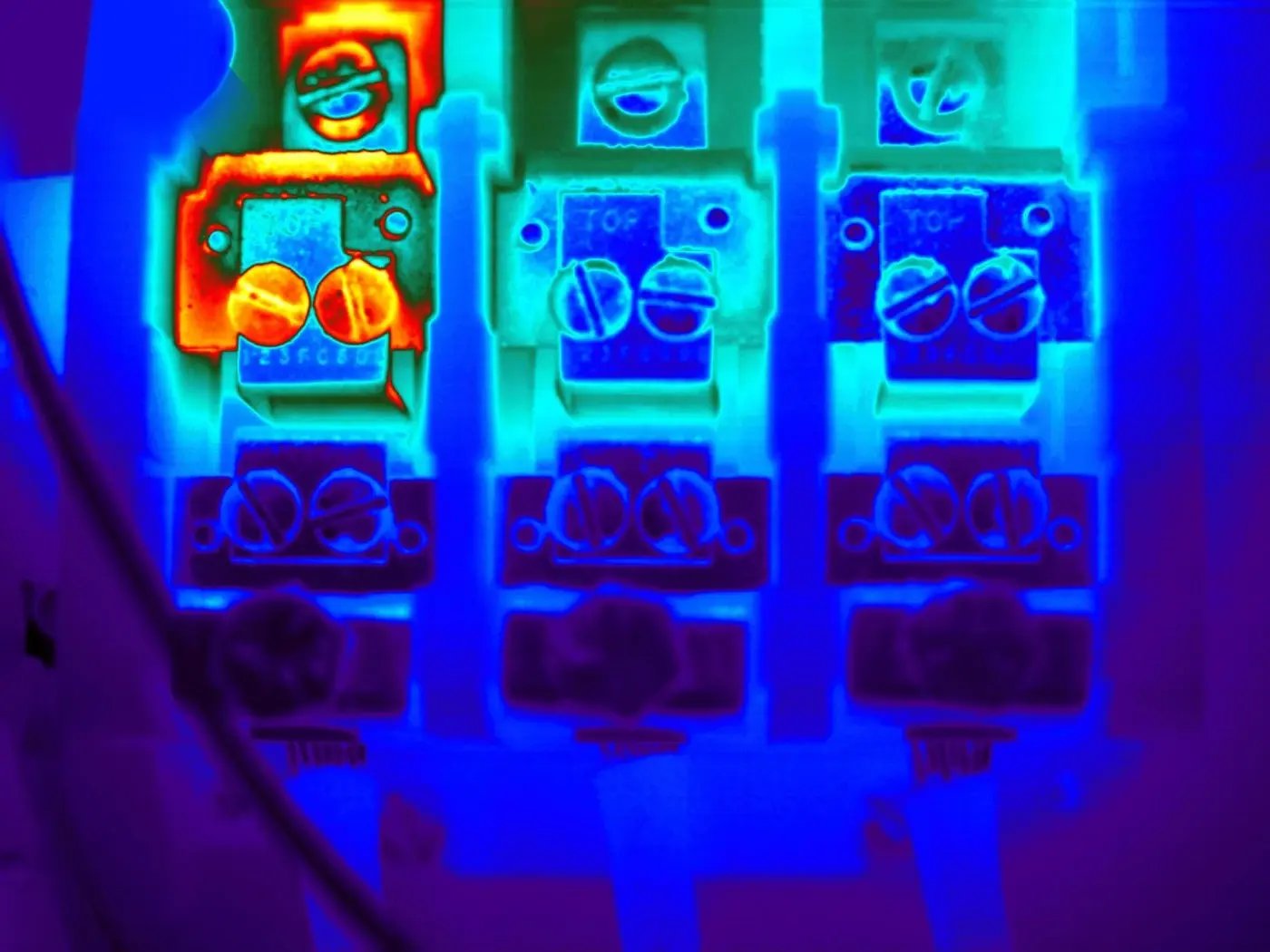
Electrical faults inside panels, MCCs, VFD cabinets, and switchgear rarely start as visible failures. They begin as localized heat, rising resistance, or load imbalance — well before a breaker trip or shutdown.
MSAI Connect provides continuous, non-intrusive thermal monitoring of electrical panels and drive cabinets, helping teams detect abnormal heating before it escalates into unplanned downtime.
Using fixed thermal monitoring points integrated through the MSAI Hub, MSAI Connect:
-
Detects abnormal heat at lugs, breakers, busbars, and drive components
-
Surfaces gradual temperature drift that protection devices do not show
- Provides historical trending to understand whether conditions are stable or worsening
.gif?width=1247&height=1020&name=MSAI%20Connect%20Thermal%20mockups%20(2).gif)

Common early indicators include:
-
 Localized temperature increases at terminals or conductors
-
 Uneven heat distribution across similar circuits
-
 Gradual rise in resistance-related heating
-
 Electrical stress driven by load imbalance or environmental factors
Common challenges include:
This is especially common in:
- Electrical panels feeding high-duty equipment
- MCCs operating under fluctuating loads
- Distribution equipment exposed to heat, dust or vibration
Teams frequently experience:
-
 Emergency call-outs following unexplained trips or shutdowns
-
 Repeated investigation of intermittent or unclear electrical issues
-
 Skilled labour diverted from planned work to urgent fault response
This reactive cycle consumes maintenance capacity without addressing the root causes of degradation.
Reducing reactive work depends on identifying developing electrical faults early, allowing teams to plan interventions, coordinate access, and apply expertise before escalation rather than after failure.

If left unaddressed, these conditions can lead to:
-
 Insulation breakdown or conductor damage
-
 Arc fault risk or component failure
-
 Increased exposure during energized inspections or emergency repairs

Common detection gaps include:
Common outcomes include:
-
 Sudden equipment shutdowns and line stoppages
-
 Nuisance trips that repeat without a clear root cause
-
 Overheated terminals, conductors, or components that progress into damage
-
 Emergency troubleshooting under production pressure
-
 Increased safety exposure during energized inspection or repair
In many cases, the issue starts as a localized condition such as rising resistance, a loose connection, or uneven loading. Once heat buildup accelerates, the margin to respond safely and deliberately disappears. Missing early indicators turns electrical maintenance into reactive response, increasing downtime risk, labour disruption, and operational exposure.