-
 Sudden or intermittent line stoppages
-
 Smoke, heat, and burning odors
-
 Emergency troubleshooting under time pressure
-
 False PLC alarms and nuisance trips
-
 Drive or controller failure
-
 Increased risk and liability during energized inspections
When VFDs, PLC cabinets, or MCCs begin to experience issues, teams often notice:
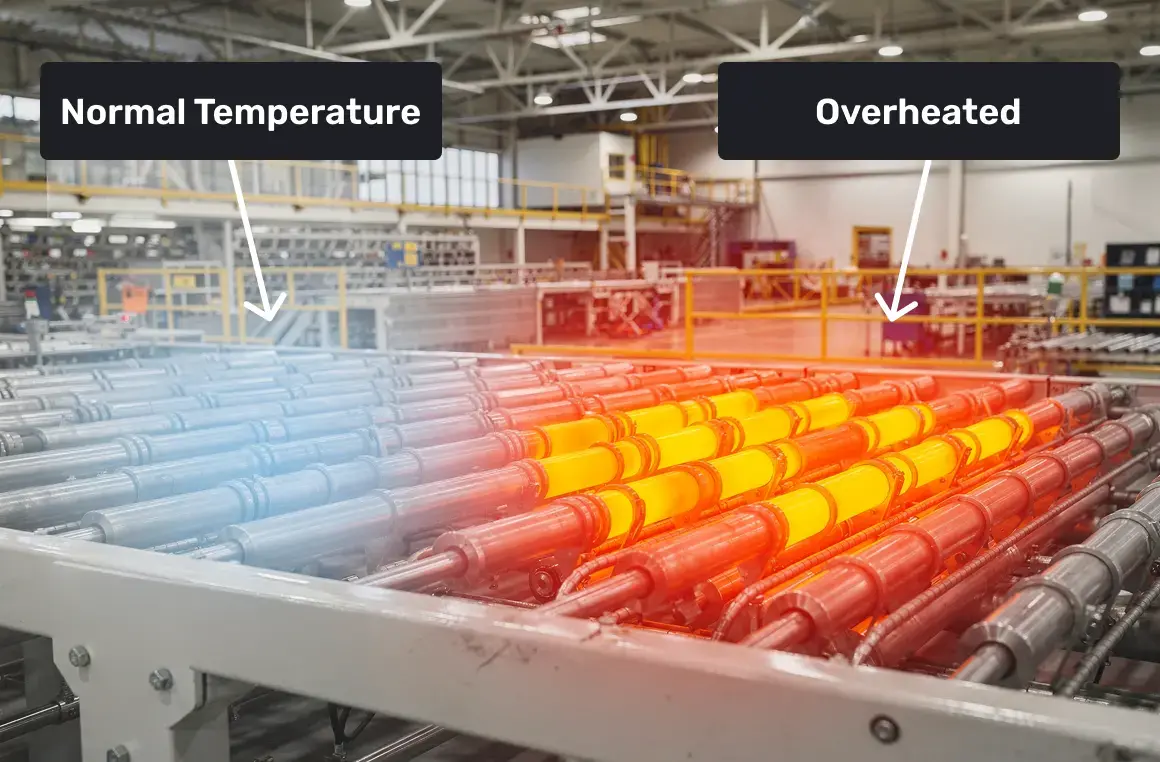
By the time a drive trips or a controller faults, internal thermal or electrical stress has often been present for weeks. Internally, teams describe this as:
Electrical or mechanical degradation is developing inside the cabinet - but it hasn’t crossed alarm thresholds or triggered obvious failure indicators. By the time traditional alarms activate, intervention windows may already be limited.
What To Do Next
Talk to an engineer to review your cabinet environment and determine whether early signal detection could reduce downtime risk and unnecessary inspections in your operation.
Designed for reliability engineers, maintenance leaders, and operations teams responsible for uptime in automated material handling environments.
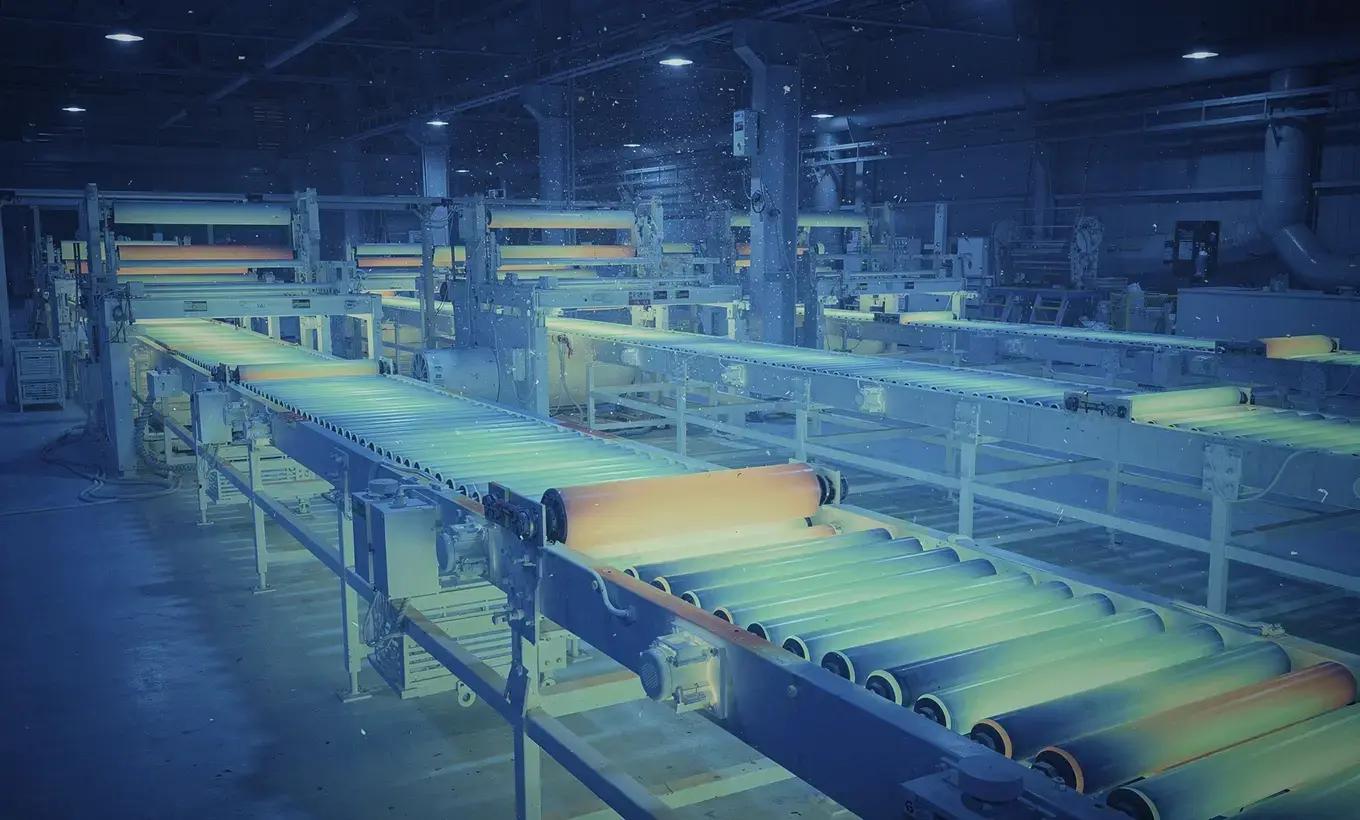
Built for high-throughput environments such as distribution centers, automated warehouses, and conveyor-driven facilities where downtime has immediate operational impact.

MSAI Connect adds a continuous, condition-based intelligence layer focused specifically on automation drives and control infrastructure — without replacing your PLCs, SCADA, or protection systems.
Using fixed thermal monitoring integrated through the MSAI Hub, MSAI Connect:
-
Detects abnormal heating in VFD cabinets, MCC buckets, and drive components before nuisance trips escalate
-
Surfaces gradual temperature drift in PLC and controls cabinets that often precedes intermittent faults
-
Identifies loose terminations and electrical stress conditions that OEM alarms typically detect late
-
Provides historical trending so teams can distinguish transient spikes from real degradation patterns
-
Delivers actionable alerts to maintenance and controls teams with asset-level context
.gif)

-
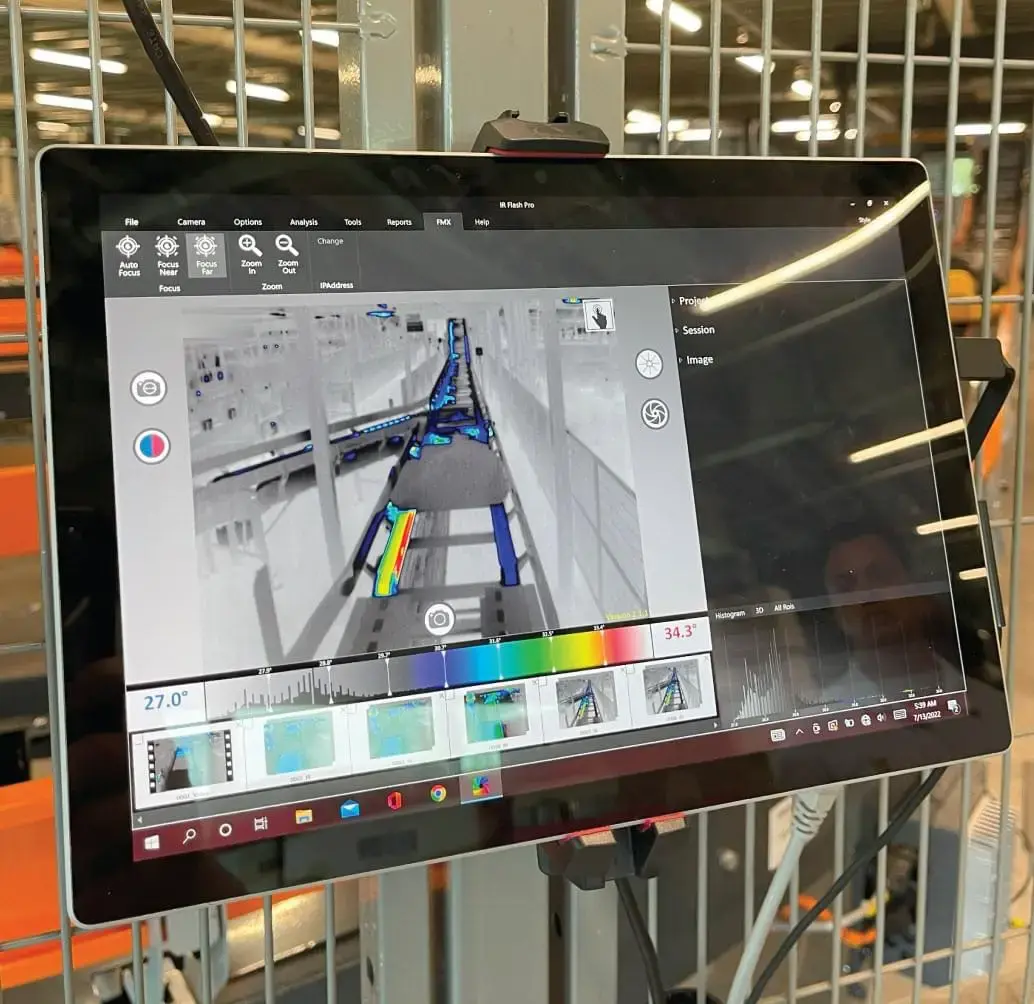
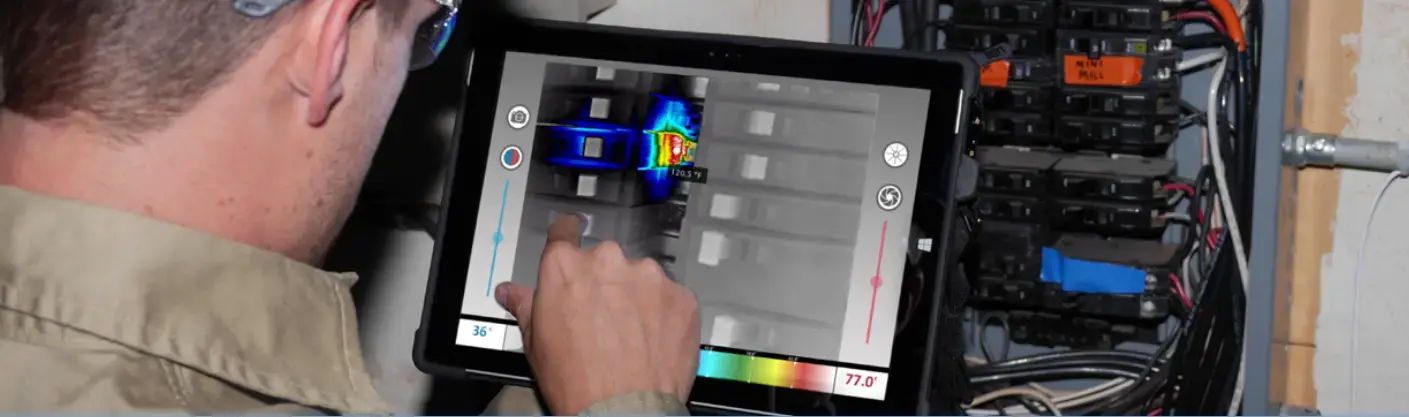
 Uneven heat distribution inside electrical cabinets
-
 Environmental stress from dust, airflow, or load variation
-
 Gradual thermal rise at terminals or drives
-
 Comparative analysis to distinguish normal from early degradation
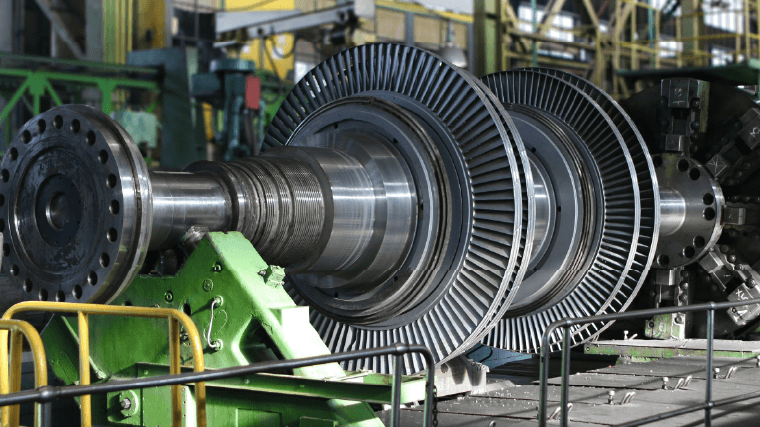
Early detection isn’t about adding more alerts — it’s about helping reliability and operations teams see degradation sooner, prioritize action with confidence, and reduce unnecessary inspections. If you’re evaluating how to improve visibility inside your control cabinets, talk to an engineer about what early detection could look like in your operation.
Common challenges include:
This is especially common in:
-
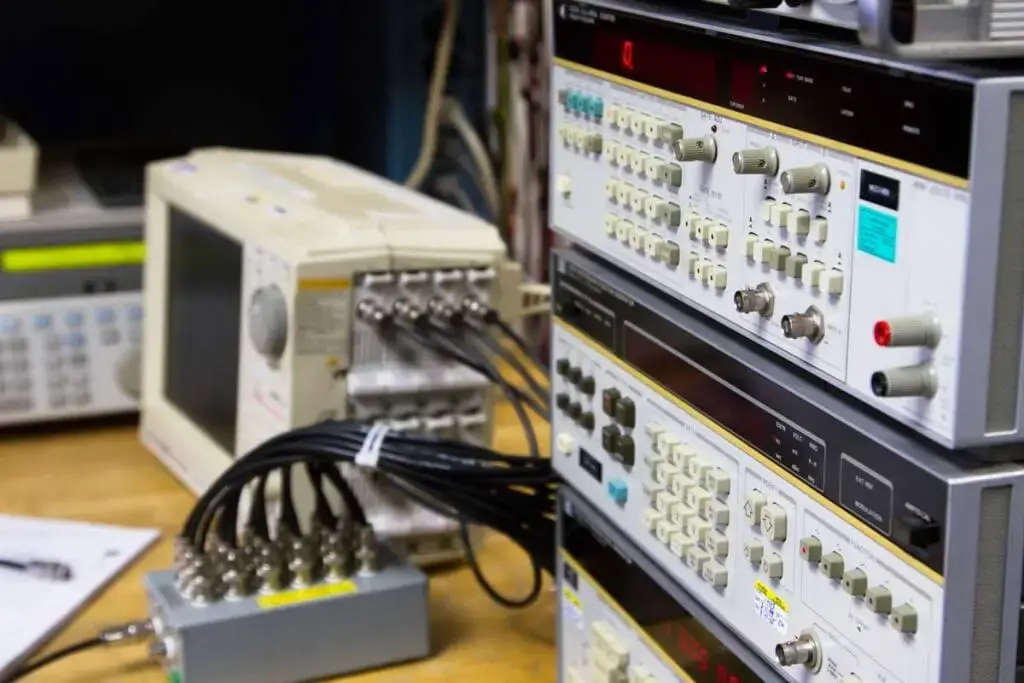
Drives replaced early due to uncertain thermal stress
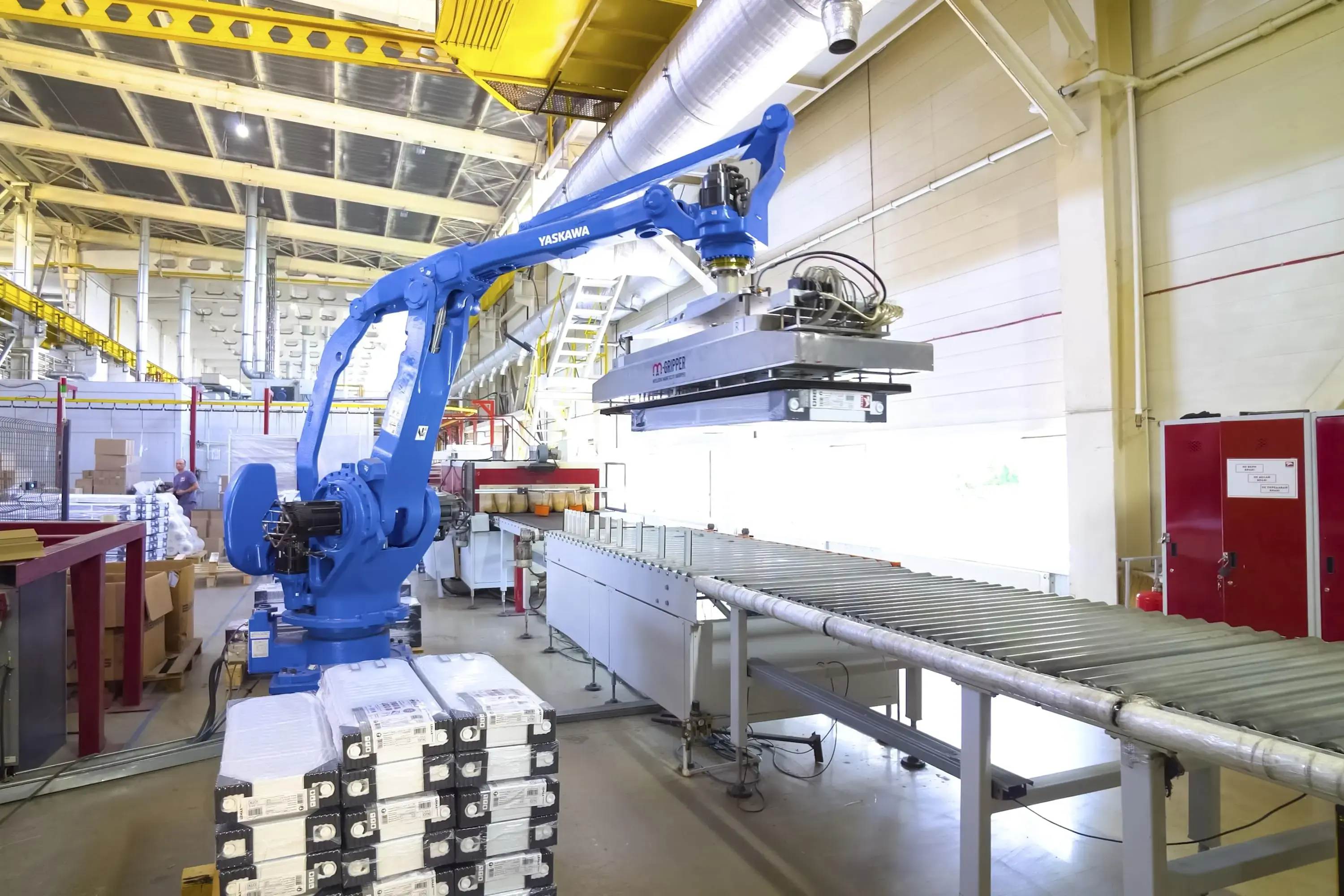
VFD cabinets supporting variable-speed conveyors
-
Cabinets serviced uniformly despite uneven loading
PLC panels exposed to heat, dust, or airflow constraints
-

Preventive maintenance applied broadly instead of where degradation is actually occurring
MCCs operating under fluctuating electrical loads
Teams often encounter:
-
 Emergency troubleshooting following unexplained events
-
 Repeated investigation of intermittent faults
-
 Skilled labor diverted from planned work to urgent response
This reactive cycle consumes maintenance capacity without improving reliability.
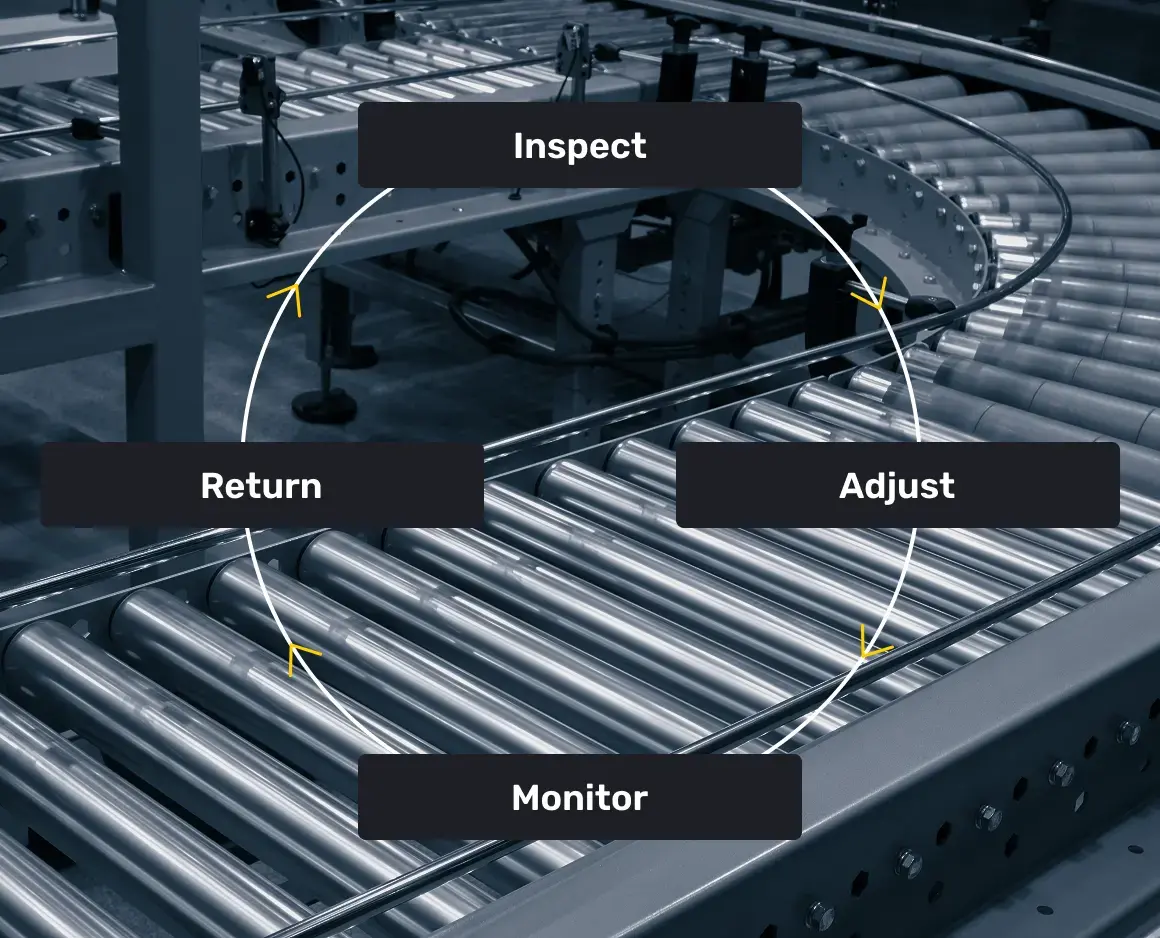
Reducing reactive work depends on identifying degradation trends before faults occur, allowing teams to plan interventions, align parts availability, and apply technical expertise where it delivers lasting value.
If these conditions are not addressed early, they can lead to:
-
 Component overheating or failure
-
 Increased risk during energized cabinet inspections
-
 Greater safety exposure during emergency repair scenarios
-
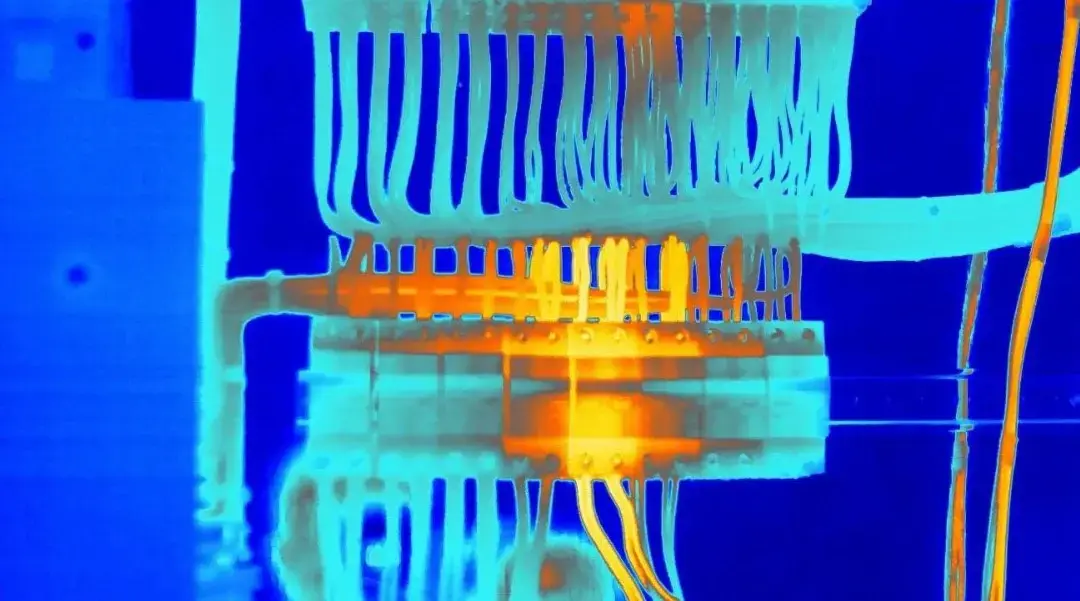
Internal cabinet conditions aren’t continuously visible

PLC alarms trigger intermittently or only at protection thresholds
-
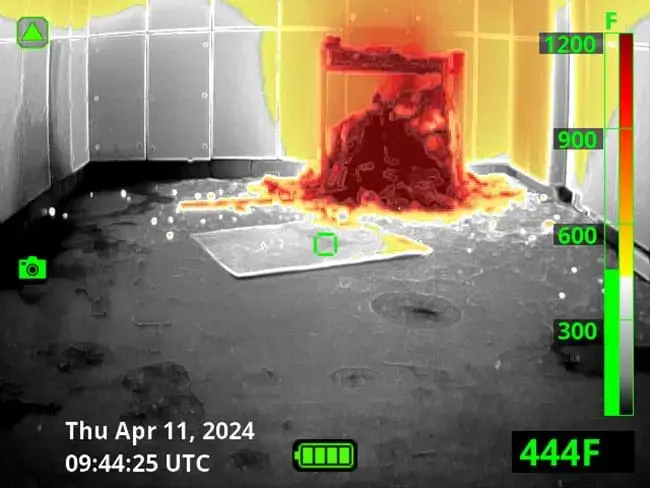
Thermal buildup is uneven and localized
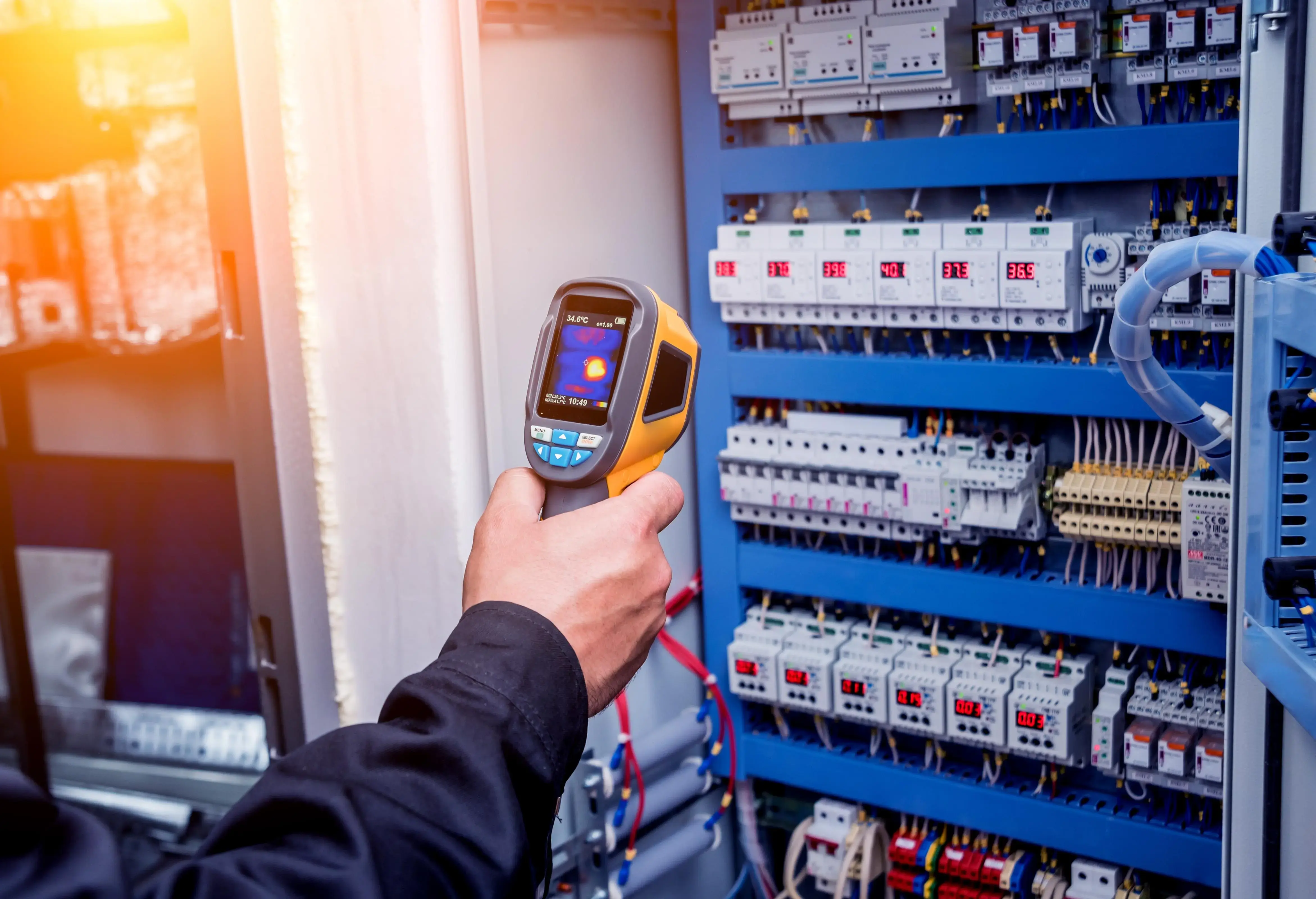
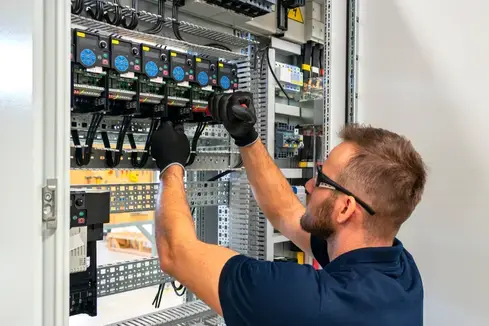
Manual inspections can’t see inside energized cabinets
Teams are often left dealing with:
-
 Sudden or intermittent line stoppages that disrupt throughput
-
 Emergency troubleshooting under production pressure
-
 False PLC alarms and nuisance trips that mask the real issue
-
 Increased safety exposure during energized cabinet inspections
-
 Overheated drives or damaged electrical components