Condition Monitoring Blog Vibration
In high-throughput industrial environments, the gap between "everything looks normal" and operational disruption is often smaller than teams realize.
A conveyor drive bearing can begin degrading before it generates detectable heat. A slow-rotating escalator motor may never produce a strong thermal signature during scheduled inspections. A chilled-water pump can start cavitating days before a building management system registers a performance issue.
Single-sensor condition monitoring leaves critical failure modes unseen. In facilities where uptime, throughput, and operational continuity depend on interconnected electrical and mechanical systems running continuously under load, that visibility gap carries real cost.
Today, MultiSensor AI is closing that gap.
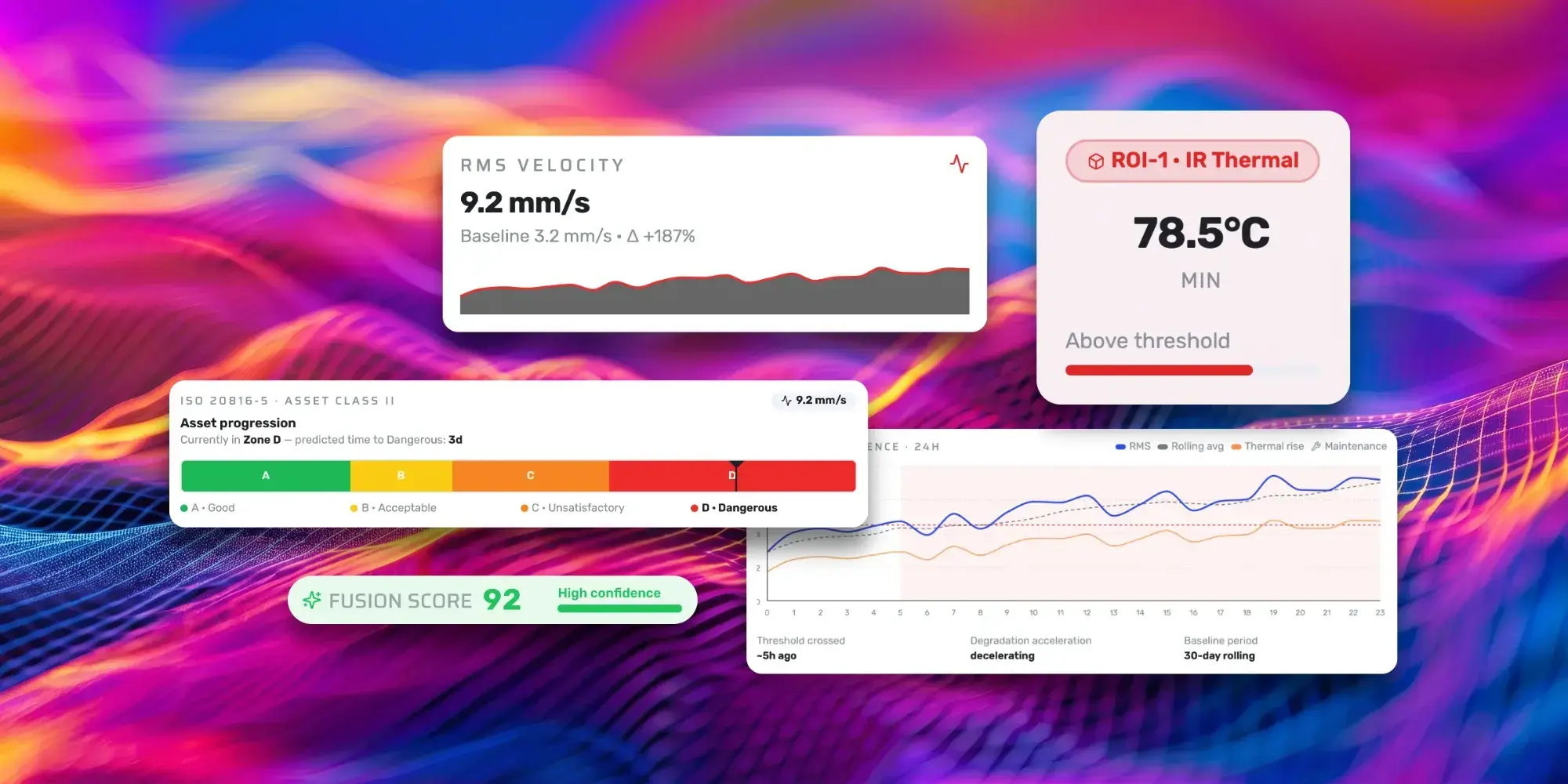
MSAI has expanded its vibration condition monitoring capabilities within the MSAI Connect platform through a new partnership with Broadsens, bringing thermal and vibration intelligence together in one operational workflow. Read the full press release here.

Vibration Extends MSAI Connect. It Does Not Replace It.
The addition of vibration monitoring expands MSAI's existing infrared-led condition intelligence capabilities across more assets, more failure modes, and more stages of degradation. It is a platform extension, not a new standalone product.
Powered by Broadsens, a Silicon Valley engineering team with a decade of building wireless vibration and temperature sensors for industrial condition monitoring, the new capability brings field-proven technology deployed across more than 50 countries into the MSAI Connect platform. Reliability teams can now monitor mechanical degradation continuously without standing up a separate vibration program or adding another disconnected software platform.
For existing MSAI customers, this means broader asset coverage inside the workflow they already use. For new customers evaluating MSAI, it means one platform for both electrical and mechanical condition intelligence from day one.
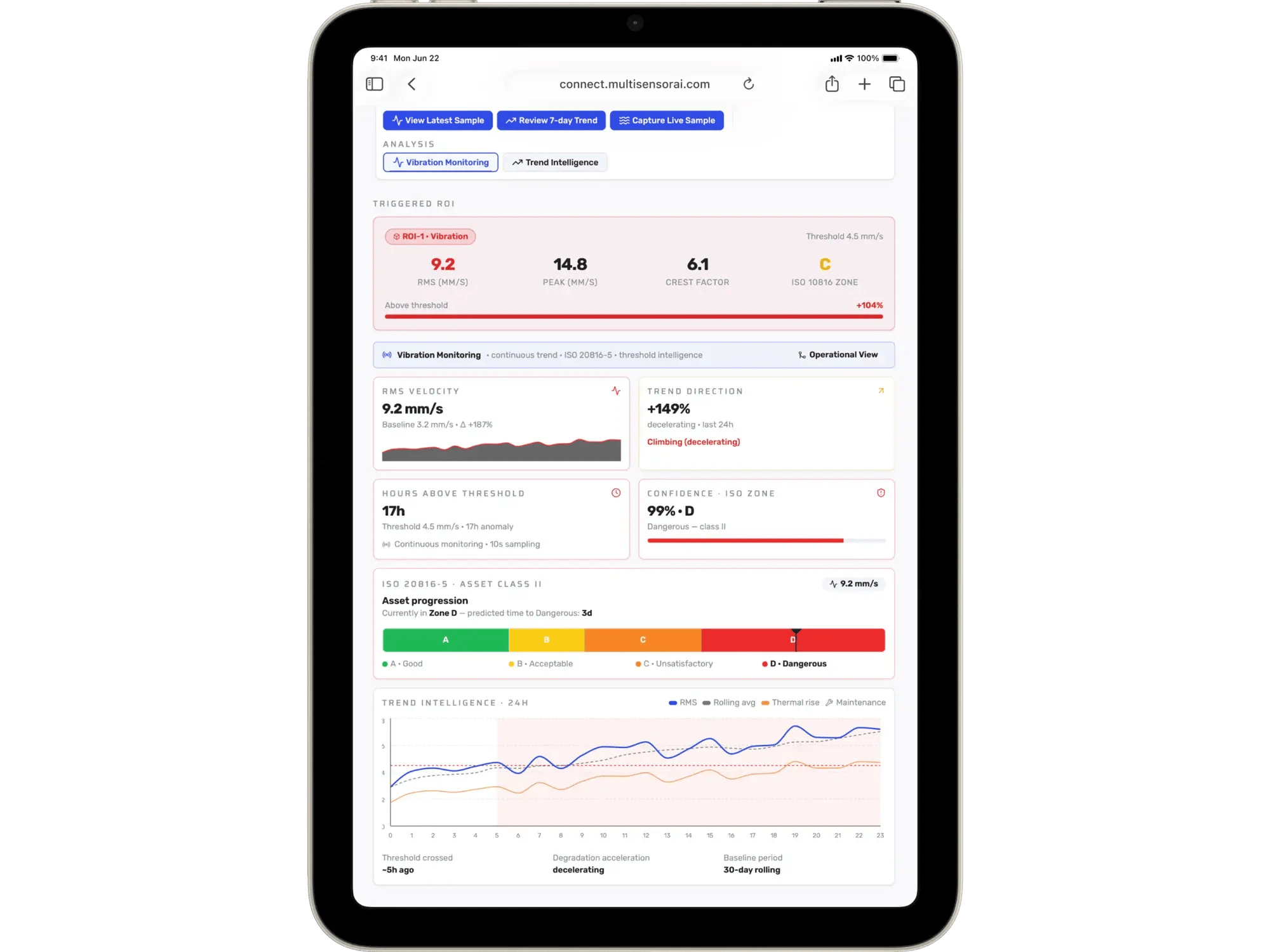
Key operational capabilities at launch:
- 10-second vibration sampling cadence
- Always-listening mode at the sensor level
- Threshold-crossing detection in under a second when machines are running
- Unified thermal and vibration visibility inside MSAI Connect
- Asset-level correlation between thermal and mechanical signals
- No separate software platform or dashboard
- No standalone vibration program to staff and manage
- Vibration applied where it adds value, not deployed uniformly across every asset
- Coverage on intermittent-duty and slow-rotating assets that hourly-snapshot systems often miss

Why Thermal and Vibration Work Better Together
Thermal and vibration monitoring detect different symptoms, and often different stages of degradation. That is not a technical footnote. It is the foundation of every maintenance decision this combination supports.
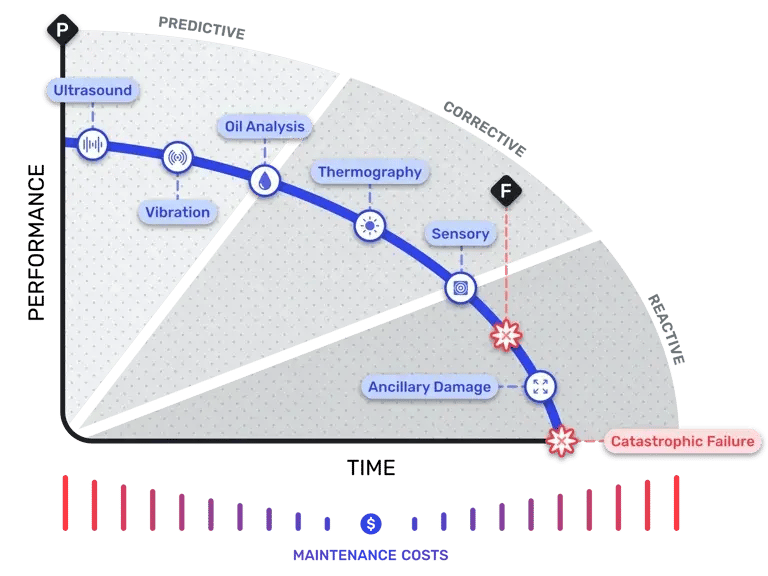
On the P-F curve, the model that governs condition-based maintenance, different technologies detect failure at different points along the degradation path. Vibration sits earlier in that curve than thermography, identifying changes in motion, imbalance, looseness, or bearing wear before measurable heat develops.
|
Thermography has always been strong on the electrical side. The heat generated by loose terminations, overloaded conductors, and failing capacitors is exactly what infrared imaging is designed to capture. But for mechanical failure modes, thermography arrives later in the degradation sequence. Vibration closes that gap, while IR adds the timing signal: heat builds as degradation progresses, confirming when to act rather than watch.
The two signals also serve as a diagnostic check on each other. If only IR is elevated, the cause is more likely electrical, airflow-related, or a connection issue, not mechanical wear. If only vibration is elevated, the asset warrants monitoring but not immediate replacement. When both signals are moving in the same direction on the same asset, the decision path becomes clear: something mechanical is developing, it's progressing, and it's time to act.
A scenario from the sort floor
A sorter drive bearing in a regional fulfillment center shows an abnormal vibration pattern during peak volume. No thermal signal yet. The team keeps the asset running and watches both trends. Over the following weeks, vibration climbs gradually and IR begins showing a slow temperature rise at the bearing housing. That convergence becomes the trigger: the team schedules a replacement during a planned weekend window, avoiding both a mid-shift line stop and an unnecessary early swap. The failure was predictable. The intervention was on their terms.
Detection latency matters
Systems that sample once an hour and require three or four consecutive readings before generating an alert can leave a multi-hour window before a fault is flagged. MSAI Connect's vibration monitoring samples every 10 seconds and detects threshold-crossing events at the sensor in under a second when machines are running. This helps teams catch faster-developing failure modes: mechanical events that evolve in seconds to hours rather than days.
Slow-rotating and intermittent-duty assets are where that gap shows up most. Escalators, baggage handling systems, conveyor divert actuators, and low-speed motors may never generate a clear thermal signature early enough to act on. Vibration extends coverage to exactly those assets.
"The idea with multi-sensor is this: vibration alerts lead to a closer eye on thermography, and that balances costs. Owners aren’t changing out parts too early with high cost of ownership, and they aren’t changing out parts too late with ancillary damage and production risk." - Luke Grice-Lowe, Director Reliability & Maintenance Programs, MultiSensor AI |
Right-Sized Vibration Monitoring: What MSAI Is and Is Not
Dedicated vibration diagnostics platforms play an important role in environments where deep mechanical analysis on high-value rotating equipment makes economic sense: heavy manufacturing, process industries, facilities with mature reliability programs where mechanical risk is the primary concern.
MSAI Connect is not a standalone vibration diagnostics platform. Rather, it brings practical vibration condition monitoring into the same workflow reliability teams already use for thermal monitoring.
That means:
For assets where the default maintenance path is replacement rather than repair, deep vibration diagnostics carry overhead that does not make economic sense. MSAI Connect is built for environments where the priority is broader condition visibility across electrical and mechanical risks in one workflow, without overinvesting in analytics that exceed what most of the asset base requires.

The condition intelligence layer is designed to bring together essential sensing capabilities into one place. It allows remote experts to look at multiple sites on one platform and allows individual sites to assess themselves. We don’t want our customers to say, “I have 10 different vendors for 10 different sensing capabilities. I need to bring them together.” We want to be your partner to do that for you. - James Newman, Senior Director, Product Enablement, MultiSensor AI |
Where Multi-Sensor Condition Monitoring Matters Most
E-Commerce and Retail Distribution |
High-speed fulfillment operations depend on conveyors, sortation drives, merge conveyors, and induction motors running continuously during peak dispatch windows. Vibration monitoring adds coverage on sortation drive motors, gearboxes, mainline conveyor bearings, induction motors, and singulation motors. When vibration flags early bearing degradation weeks before thermal signals emerge, teams can schedule replacement during a planned maintenance window rather than responding to a multi-hour line stop during a live dispatch window. |
Couriers and Parcel Logistics
|
A divert actuator chattering intermittently during the sort window is the kind of fault that snapshot-based or periodic inspection systems miss. Because the fault only appears when the actuator cycles, vibration detection while the asset is operating is the reliable way to catch it. When IR also shows heat building at the motor or drive, the team has a corroborated signal to inspect that divert before it causes missed sorts or a hard stop. |
Airports and Baggage Handling
|
Escalator drive motors, baggage handling conveyors, baggage sorter drives, and jet bridge motors are all strong candidates for vibration monitoring. Slow-rotating equipment like escalators may not generate a meaningful thermal signature early enough to act on. Vibration shows abnormal movement before IR sees meaningful heat buildup, giving the airport the option to schedule maintenance before the asset is taken out of service unexpectedly. |
Cold Storage
|
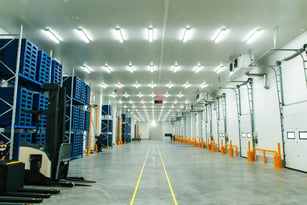
Refrigeration compressors, evaporator fans, condenser fans, glycol pumps, and ammonia system pumps operate continuously in high-consequence environments. When a refrigeration compressor starts developing imbalance, vibration flags the abnormal motion before surface temperature rises enough for IR to clearly show a problem. If IR later shows heat increasing on the same compressor, the team has a stronger reason to prioritize that unit before it becomes a refrigeration failure with inventory risk. |
Data Centers
|
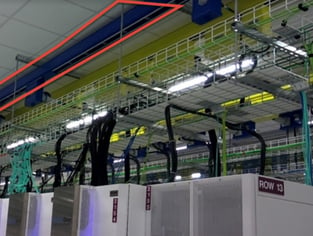
Data center uptime depends on cooling infrastructure: chilled-water pumps, CRAH fans, cooling tower fans, and chiller compressors. Pump cavitation and bearing wear show up on vibration before a BMS or DCIM system registers a system-level change. In N+1 configurations, those assets represent a single event away from a thermal issue affecting customer SLAs. Early detection helps protect data center redundancy before it is visibly compromised. |


Closing the Visibility Gap
Industrial failures rarely appear all at once. They develop progressively across thermal, mechanical, and electrical domains, often in ways that single-sensor monitoring cannot fully capture.
By bringing thermal and vibration monitoring together inside one platform, MSAI Connect is helping reliability teams expand visibility across more assets, reduce detection latency, and accelerate maintenance decisions without adding operational complexity.
Fewer disconnected alert streams. Faster triage. More resilient operations.
|
|
FAQ
What is vibration monitoring?
Vibration monitoring measures changes in motion, imbalance, looseness, and mechanical behavior in rotating equipment like motors, bearings, conveyors, pumps, and fans. Reliability teams use vibration trends to identify early-stage mechanical degradation before equipment performance is affected or failure occurs.
How is MSAI's vibration monitoring different from standalone vibration platforms?
MSAI Connect combines vibration and thermal condition monitoring inside one operational workflow. Rather than operating as a standalone vibration diagnostics platform, MSAI helps reliability teams correlate thermal and mechanical signals together at the asset level, improving maintenance triage and expanding visibility across more failure modes. MSAI Connect is not built for deep root cause analysis on high-value rotating equipment where comprehensive diagnostics are the primary need. It is built for broader condition intelligence across electrical and mechanical risks, without the overhead of a dedicated vibration program.
How often does the MSAI vibration sensor take a reading?
MSAI's vibration monitoring capability samples every 10 seconds and supports always-listening functionality at the sensor level. When machines are running, the sensor can detect threshold-crossing events in under a second. This helps teams detect rapidly developing mechanical changes that periodic inspection routes or hourly snapshot systems may miss.
Does MSAI vibration monitoring work on slow-rotating or intermittent-duty equipment?
Yes. MSAI's vibration monitoring is designed to extend visibility on slow-rotating and intermittent-duty assets where traditional monitoring approaches often leave detection gaps. This includes escalators, baggage handling systems, intermittent conveyor drives, and low-speed rotating equipment where thermal monitoring alone may not detect early-stage degradation.
Can existing MSAI customers add vibration monitoring without a separate platform?
Yes. Existing MSAI customers can extend monitoring coverage by adding vibration monitoring directly into the MSAI Connect platform they already use for thermal condition monitoring. This allows teams to expand visibility across more assets and failure modes without introducing disconnected workflows or additional dashboard systems.
Who is MSAI's vibration monitoring built for?
MSAI's vibration monitoring is built for highly automated, uptime-critical environments including e-commerce fulfillment centers, parcel logistics hubs, airports, cold storage facilities, and data centers. It is designed for teams that need broader condition visibility across thermal and mechanical risks without adding another standalone monitoring platform.
Read the full press release here: MultiSensor AI Deepens Vibration Coverage in Condition Intelligence Solution through Collaboration with Broadsens
Keep reading

Thermal Monitoring Condition Monitoring Blog
How We Taught Solar Monitoring to Stop Mistaking Reflection for a Fault

Condition Monitoring Reliability Engineering Blog