What Is Condition Monitoring?
A guide to detecting equipment degradation before it becomes downtime and gaining continuous asset visibility into high-throughput, uptime-critical operations.
DEFINITION
Condition monitoring is the practice of tracking equipment health using thermal, vibration, environment, acoustic, and other signals to detect degradation before it causes failure. It can be done periodically, through scheduled inspections and routes, or continuously, through fixed sensors that track condition in real time. The shift underway in high-throughput operations is from the former to the latter. An equipment condition monitoring system is what puts that practice into continuous operation: sensors, baselines, thresholds, and an alerting workflow working together, rather than a single inspection tool.
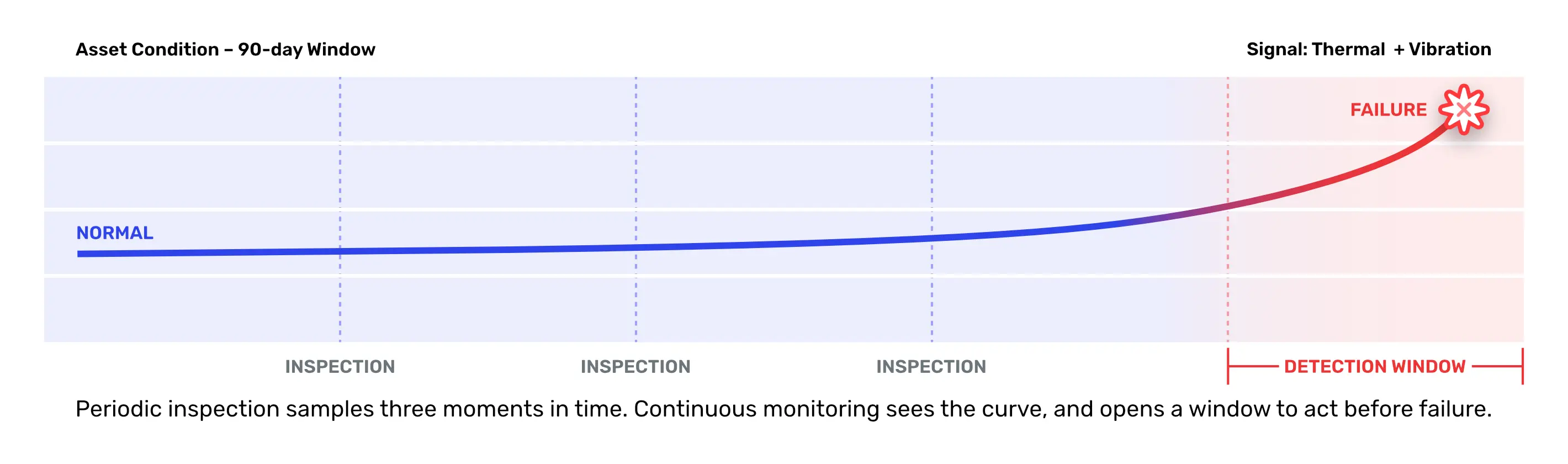
Signs of failure are becoming harder to see as their detection becomes more vital.
As systems get more complex and industrial environments get more automated and more uptime-dependent, the time between “everything is fine” and “the line is down” keeps shrinking.

Traditional condition monitoring approaches like periodic inspections, manual thermography, vibration routes, and PLC-based alarms give teams a moment-in-time view of asset health. But between cycles, degradation can progress unnoticed. Many operations have already moved past manual routes into fixed vibration monitoring or OEM tools, which can solve part of the problem: Vibration covers rotating assets well, but it doesn't see electrical distribution, and periodic sampling still misses fast-developing faults between readings.
That's the operational visibility gap. In high-throughput and mission-critical environments, that gap is not a minor inefficiency; it's the difference between a planned intervention and an unplanned stoppage.

1–10%
Of operational time is typically captured by periodic sampling routes, leaving fast-developing faults invisible between readings.

Hours, not weeks
Is how quickly an asset can go from normal to failure as detection windows compress due to automation and increased system complexity.

1 single point of failure
Like a conveyor belt, sorter drive or a single electrical-contact chiller pump, is often all it takes to halt an entire operation.

Capture the signal
Sensors, handheld or fixed, capture signals matched deliberately to each failure mode.

Confirm healthy, establish normal
Baselining means confirming the asset is healthy, then recording that as normal.

Flag the deviation
Thresholds and pattern detection flag baseline deviations early, before alarm-level conditions hit.

Intervene proactively
Teams use data to plan repairs proactively, instead of reacting to failures.
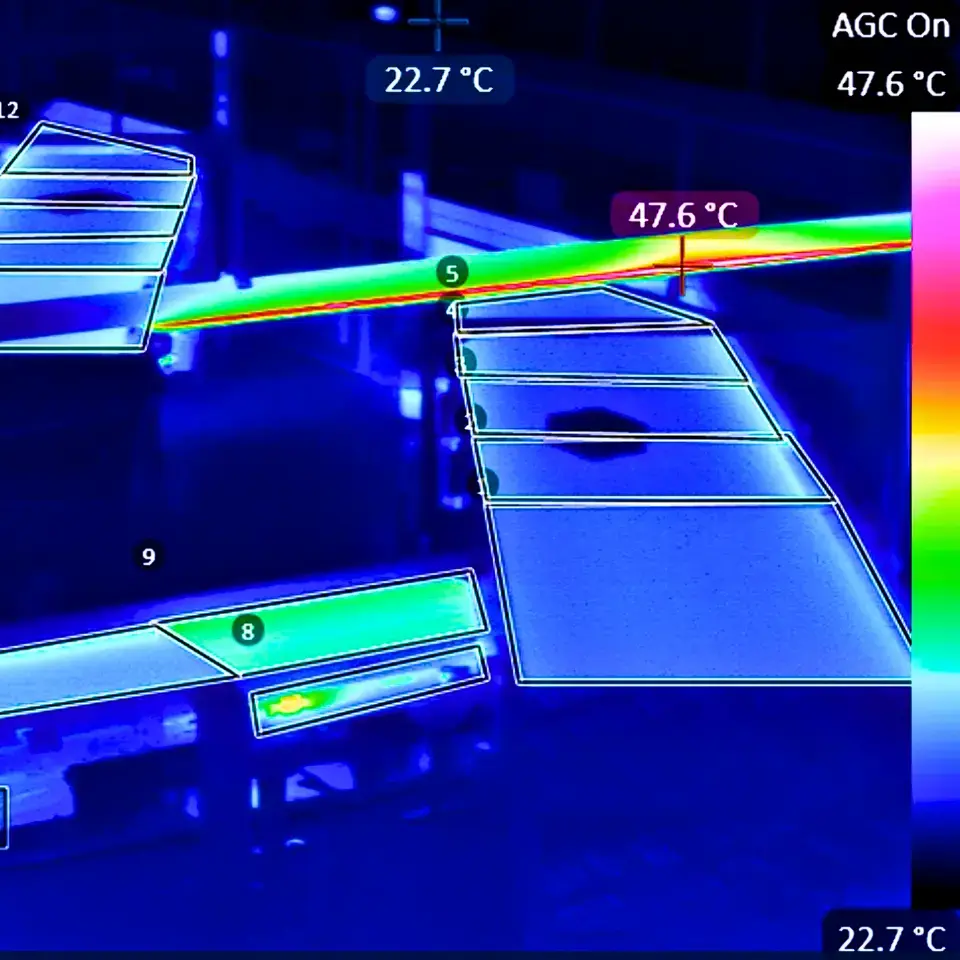
Thermography / Infrared Monitoring
Tracks heat buildup at connections, solar panels, motors, and drives. Rising surface temperature is often the clearest early sign of electrical resistance faults, overloaded circuits, or friction-driven mechanical wear.
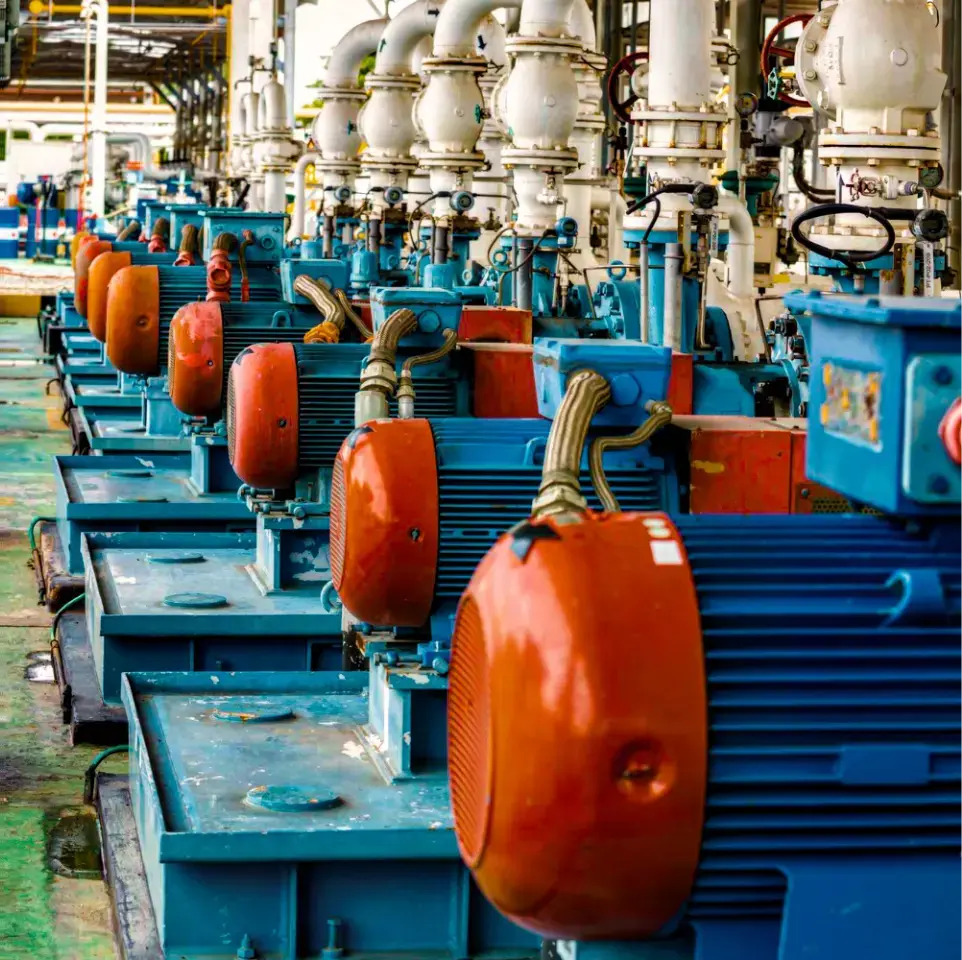
Vibration Monitoring
Detects abnormal motion in rotating and intermittent-duty equipment such as bearings, motors, gearboxes, and fans. Often catches mechanical issues like imbalance or bearing wear before enough heat builds up for thermal to register.
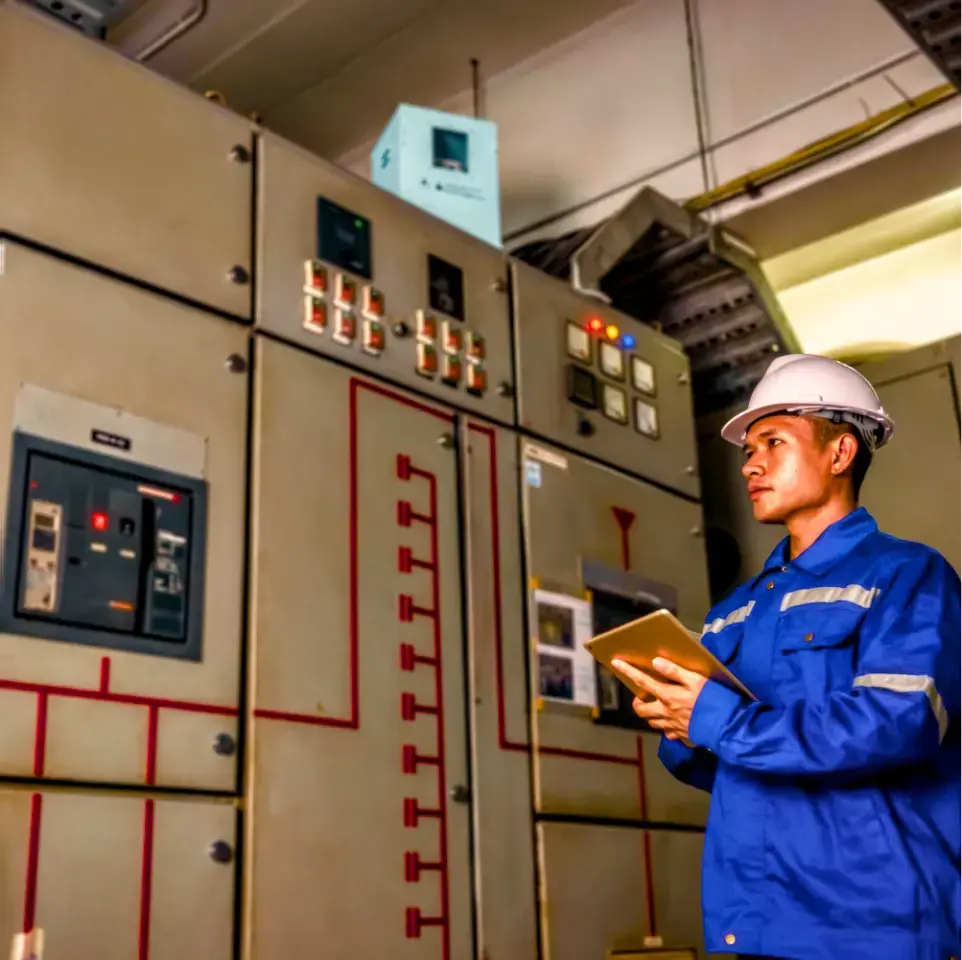
Electrical Fault Monitoring
Watches for load imbalance, overloaded circuits, and degrading components across switchgear, panels, and distribution systems, which are failure modes that rotating-equipment sensors don't see.
| HANDHELD / INSPECTION ROUTES | CONTINUOUS MONITORING | |
|---|---|---|
 COVERAGE
|
Point-in-time, captures a snapshot at the moment of inspection | Tracks the asset across every operating hour, not just the moment someone checks |
 BEST FIT
|
Medium-criticality assets, or equipment that runs seasonally or intermittently | High-criticality, single-point-of-failure assets, where an undetected fault can cause a high-impact event |
 BLIND SPOTS / CONSIDERATIONS
|
Between visits, fast-developing faults can emerge and progress between scheduled readings | Requires investment, sensors, and infrastructure that need to be deployed and calibrated up front |
 ROLE TODAY
|
Still valuable for verification, troubleshooting, and expert follow-up | Closes the gap between what inspection routes catch and what happens in the hours between |

Uptime and throughput
Early detection turns a potential stoppage into a scheduled repair, protecting output and service commitments.

Asset and component lifespan
Catching wear, misalignment, and friction earlier prevents the accelerated damage that comes from running degraded equipment longer than it should run.

Maintenance capital efficiency
Condition-driven action reduces reactive labor, emergency callouts, and premature parts replacement, freeing budget for planned work.

Lean reliability teams
Continuous visibility does the watching, so a small team can cover more assets without adding inspection headcount.

Alert credibility
Corroborating more than one signal—thermal and vibration together, for example—reduces false positives so alerts get acted on instead of dismissed.

Personnel safety
Continuous remote visibility into electrical and mechanical hazards reduces the need for physical walkarounds near live or elevated equipment.

Peak-volume sortation risk
Drive motors, gearboxes, and conveyor bearings run continuously through peak volume. A single sorter failure can halt outbound flow for the entire facility.
sortation drives · conveyor bearings · induction motors · robotics & AS/RS
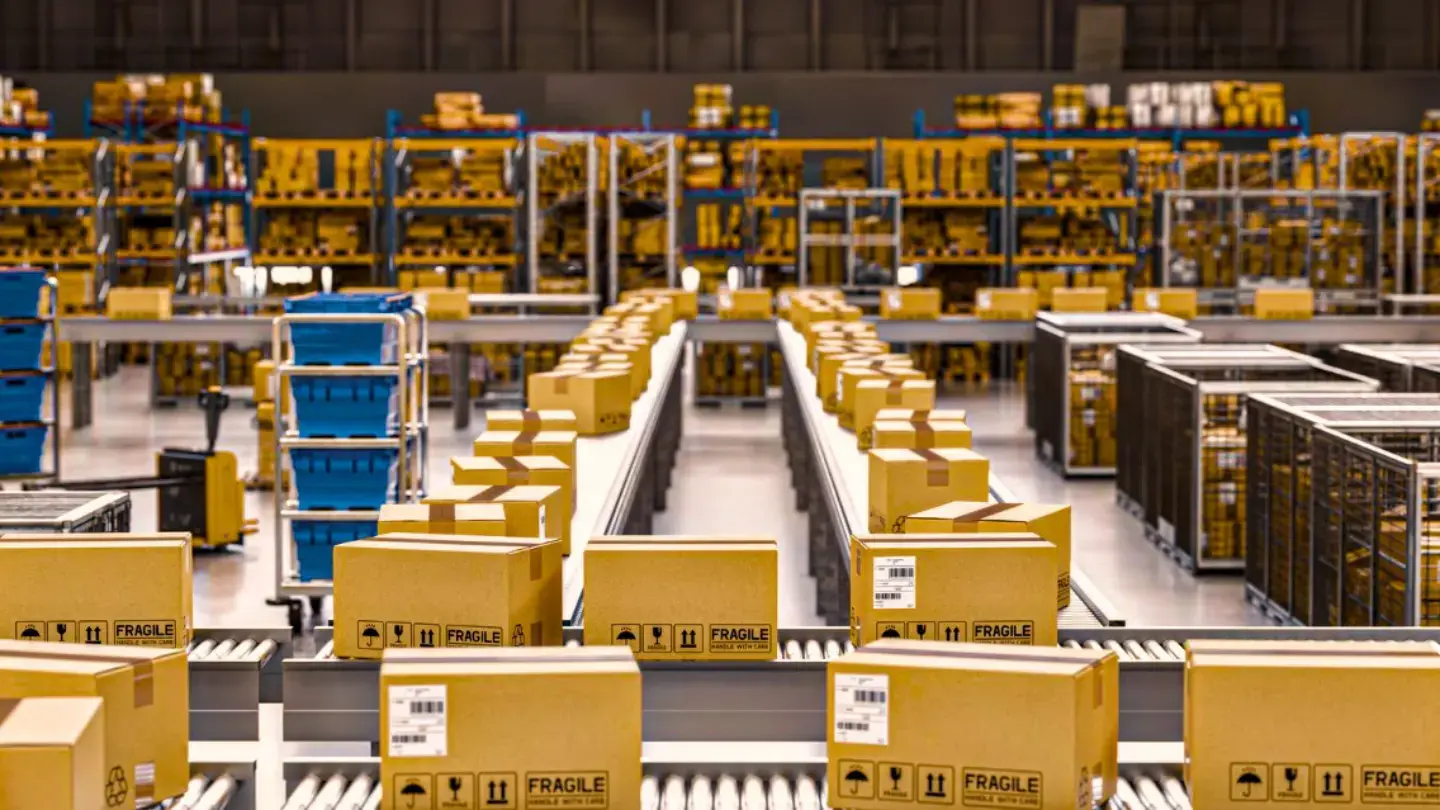
High-speed sort windows
Divert actuators and merge conveyors often fail intermittently, appearing only mid-cycle, where a snapshot inspection is unlikely to catch them in time.
high-speed sorter drives · divert actuators · merge conveyors · hub power distribution
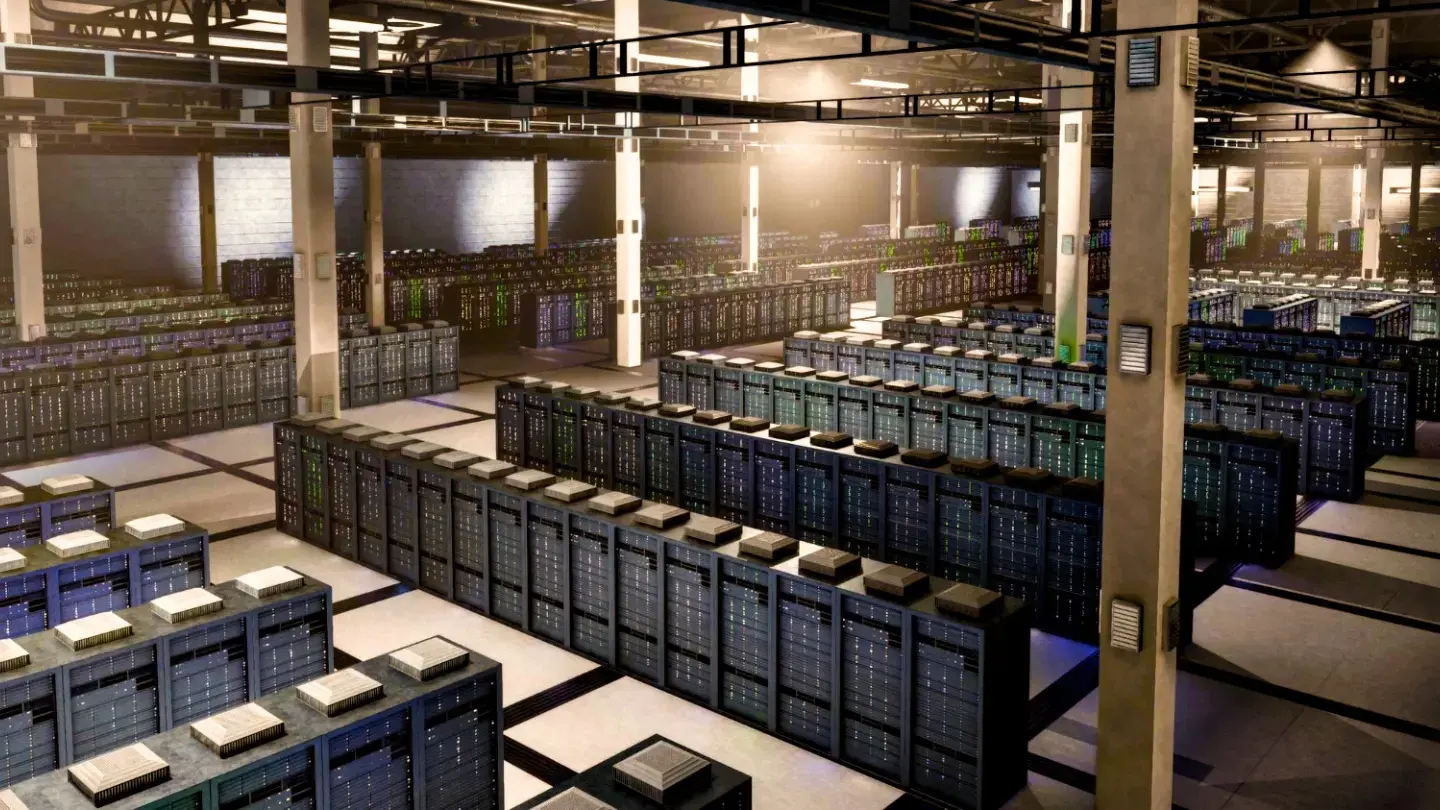
Always-on cooling redundancy
Chillers, CRAH/CRAC fans, and switchgear carry always-on uptime requirements, where undetected degradation threatens cooling redundancy itself.
UPS & switchgear · chiller compressors · CRAH/CRAC fans · backup generators
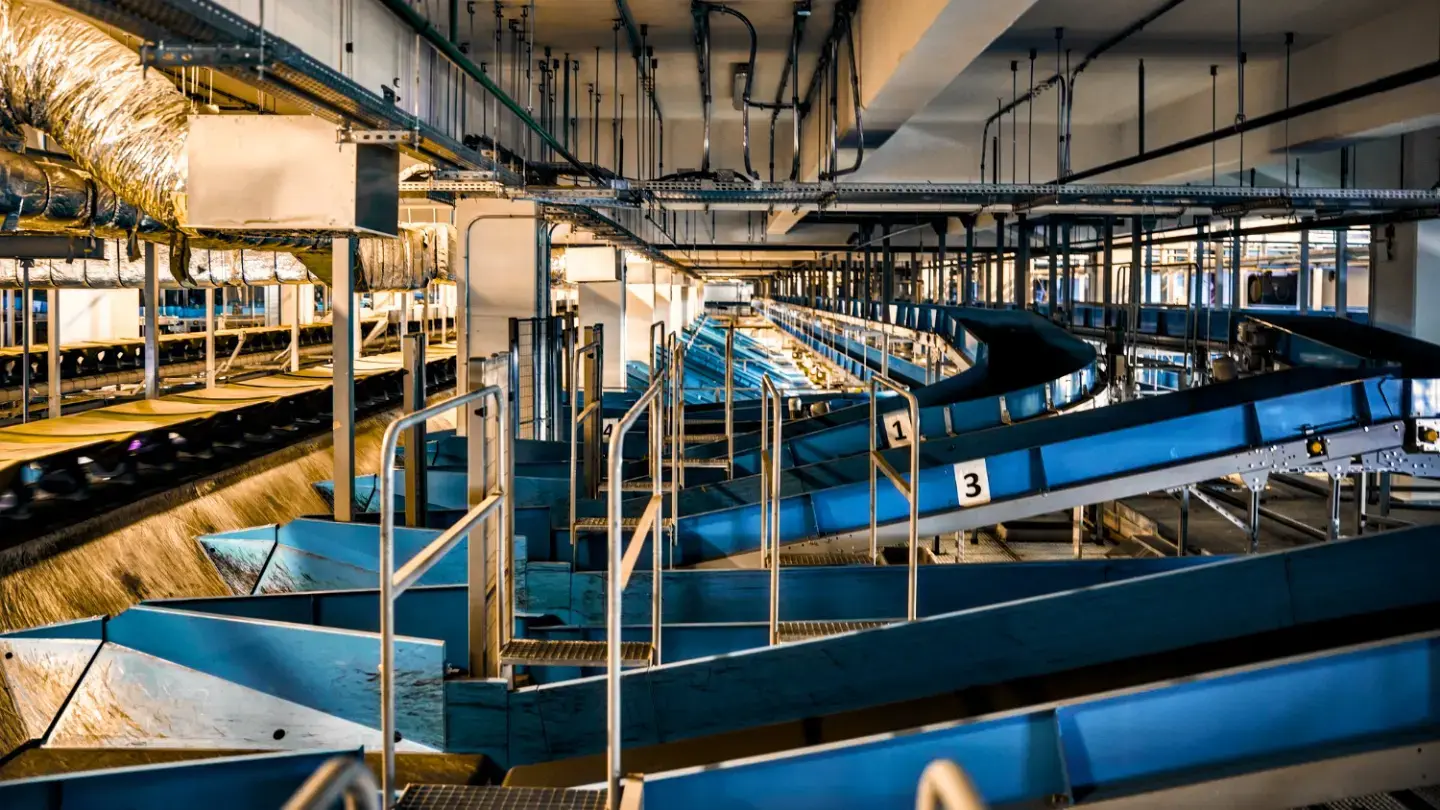
Uninterrupted passenger flow
Baggage sorters, jet bridges, and escalators run continuously across long operating hours, often slow-moving or intermittent duty, where wear can hide from thermal alone until vibration flags it first. A single baggage handling failure can disrupt flight connections and passenger flow across the terminal.
baggage sorter drives · baggage belt motors · jet bridge motors · escalators & moving walkways

Product integrity on the line
Refrigeration compressors and evaporator fans run continuously to hold temperature inside a narrow band. A single compressor failure can trigger a temperature excursion, risking product spoilage and compliance exposure before anyone notices.
refrigeration compressors · evaporator & condenser fans · glycol pumps · ammonia system pumps
Condition monitoring vs. predictive maintenance
The terms get used interchangeably, but they describe different things. Condition monitoring is the practice of continuously tracking an asset's actual condition and flagging deviation from normal. Predictive maintenance claims to go a step further, forecasting not just that something is degrading, but when it will fail. That forecast is only as good as the signal underneath it—there's no predicting a failure without first detecting the degradation causing it. Where predictive maintenance and condition monitoring really differ isn't the signal, it's how far past that signal a method is willing to extrapolate a timeline.
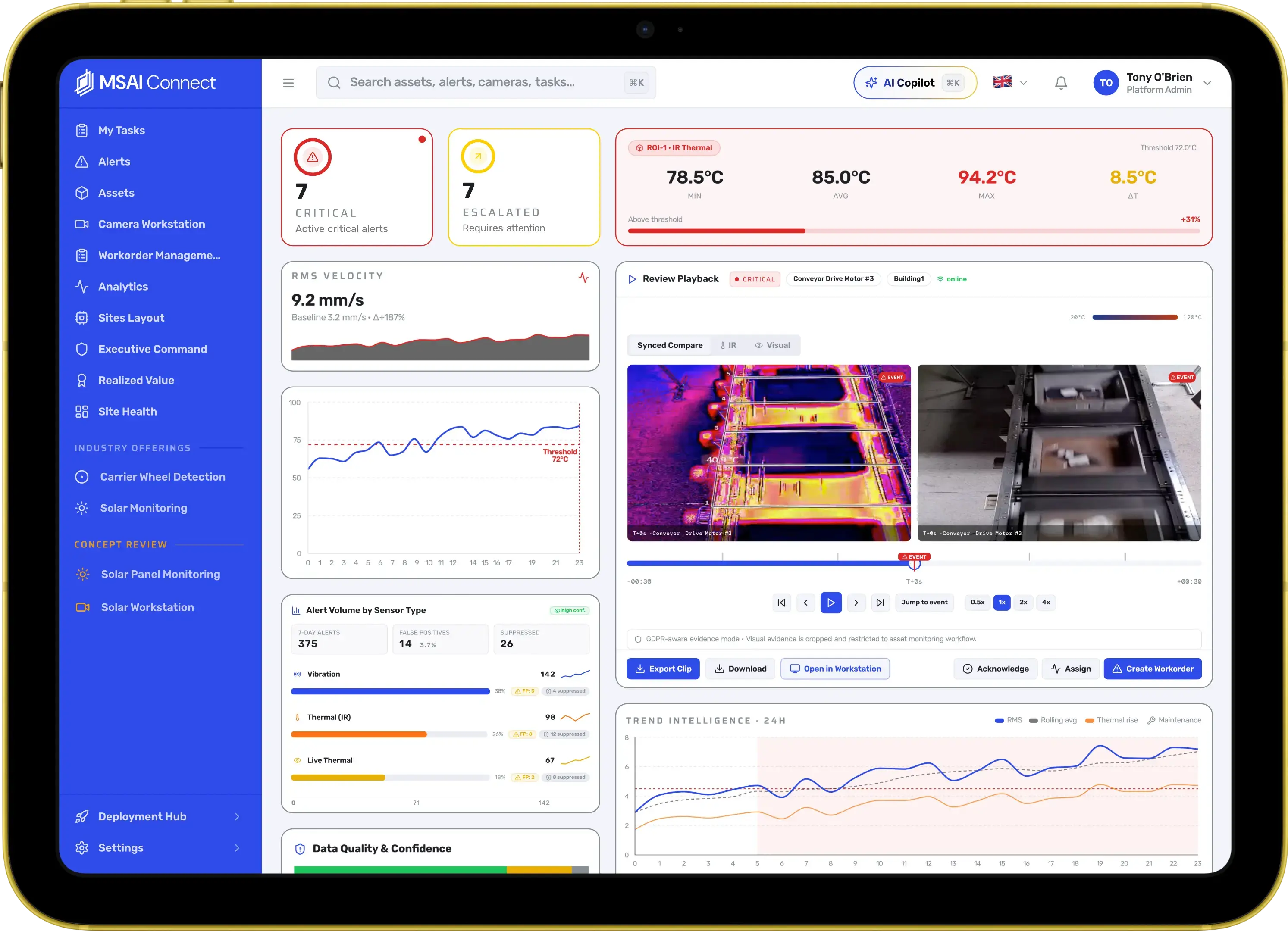
Most platforms on the market, MSAI included, operate in the condition monitoring layer: early, high-confidence detection that gives teams a window to act, with a human making the maintenance call. That's a deliberate line. Forecasting exact failure timing is a much harder claim to back reliably, and an early, trustworthy signal is what actually changes how maintenance gets planned day to day.

See where your operation sits on the reliability curve.
Get the Uptime Preservation Playbook: A Practical Guide to Continuous Monitoring in High-Throughput Operations