Detecting Renewable Generation Performance Loss Before Output Declines

In renewable generation environments, performance loss often accumulates quietly long before alarms or production metrics reveal a problem.

the importance

Why This Failure Mode Gets Expensive Fast

Missed degradation leads to:

  • ico-21 Lost generation revenue
  • ico-22 Mechanical and electrical degradation hides in small details
  • ico-23 Reduced asset lifespan
  • ico-24 Increased corrective maintenance
  • ico-25 Missed warranty or SLA thresholds

Small losses compound over time.

early warnings

Failure Reality

Renewable assets rarely fail outright. They underperform. By the time performance loss is measurable, mechanical or electrical stress has already reduced efficiency.

When inverters or generators begin to degrade, teams usually notice:

  • Gradual output decline
  • Increased variability in performance
  • Occasional fault or derate events
Solar panels on roof
OUR SOLUTION

Where MultisensorAI Helps

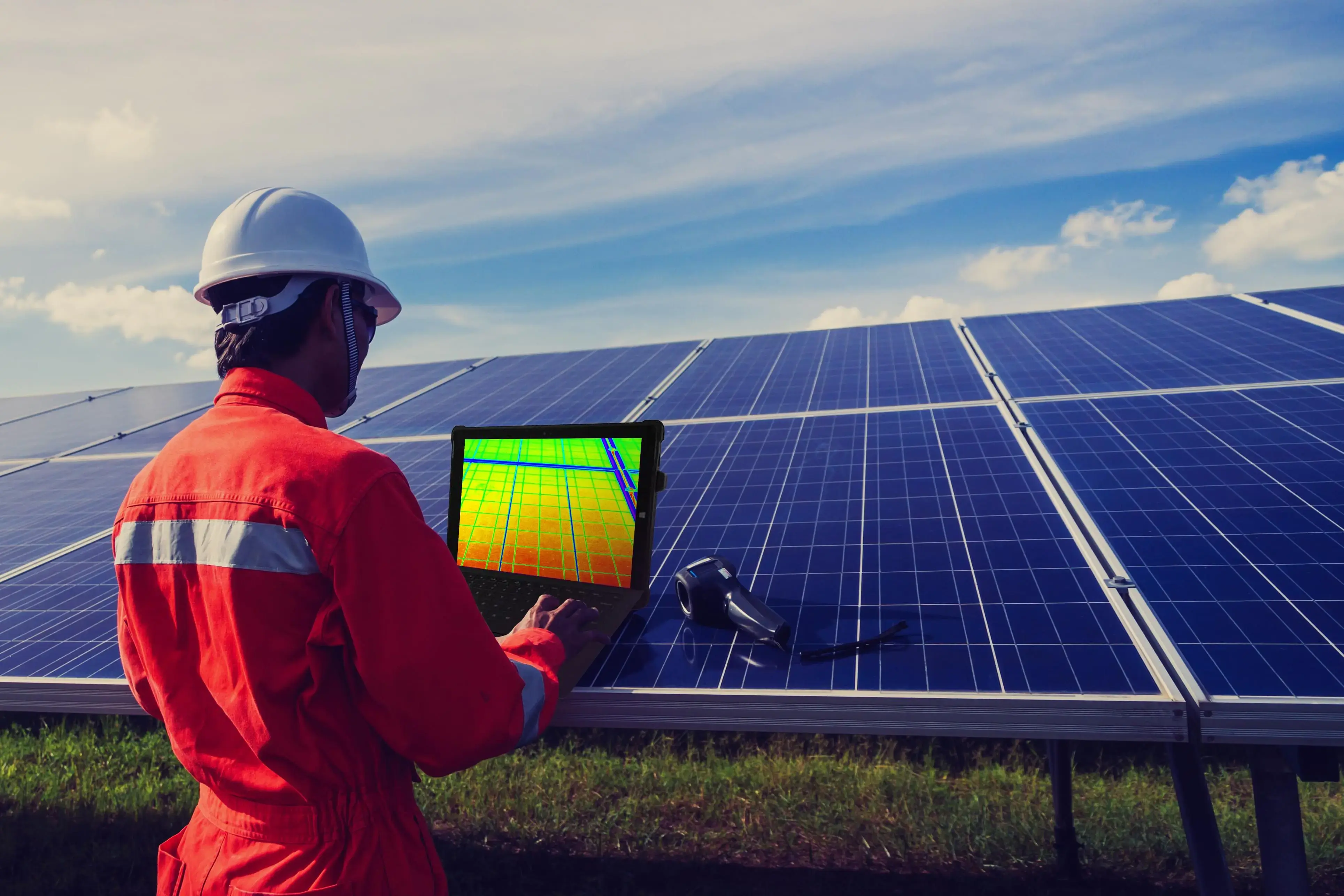
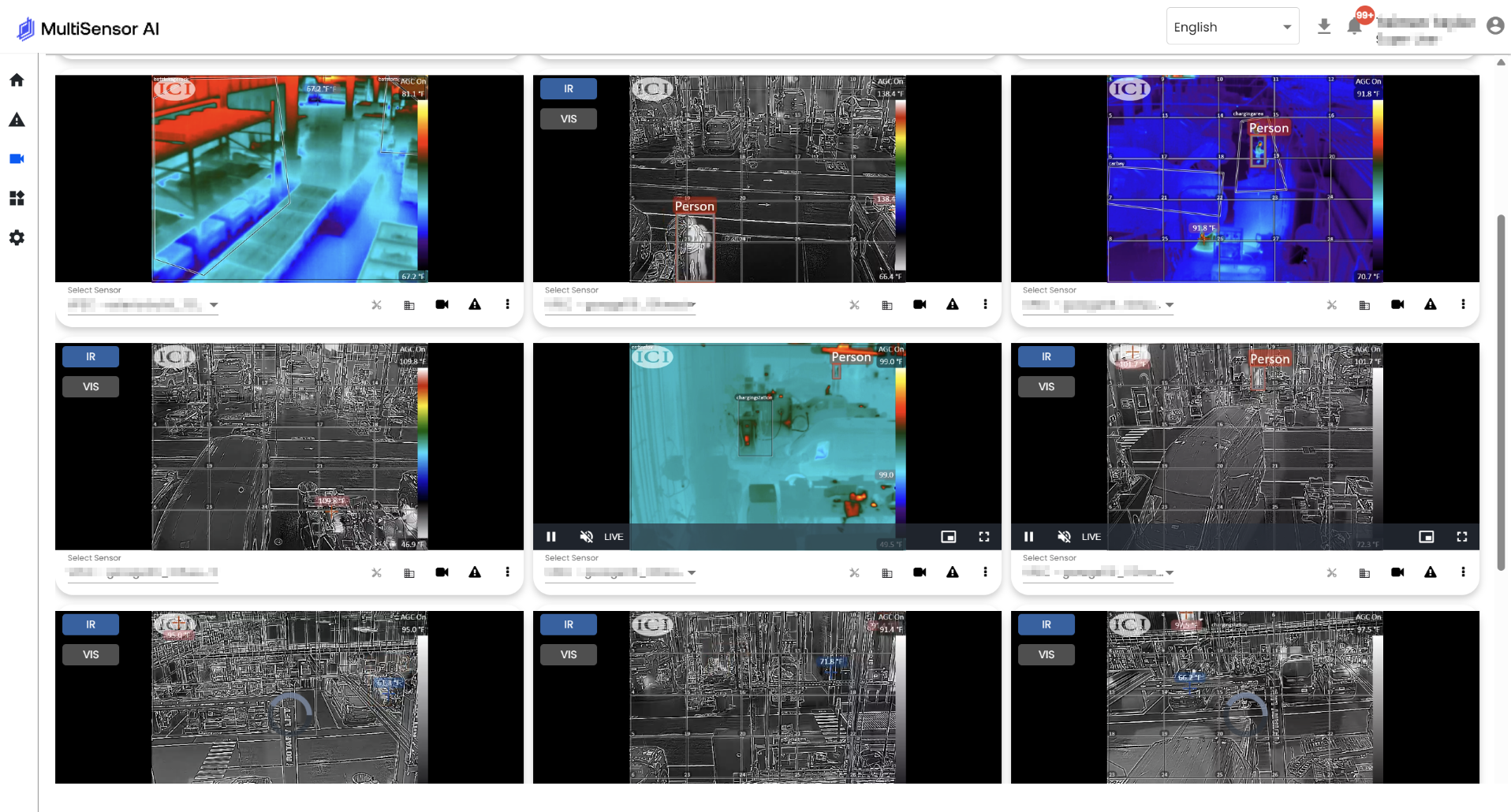
MultisensorAI provides continuous condition insight through MSAI Connect, helping teams identify early thermal and electrical degradation contributing to renewable performance loss before output metrics reveal the issue.

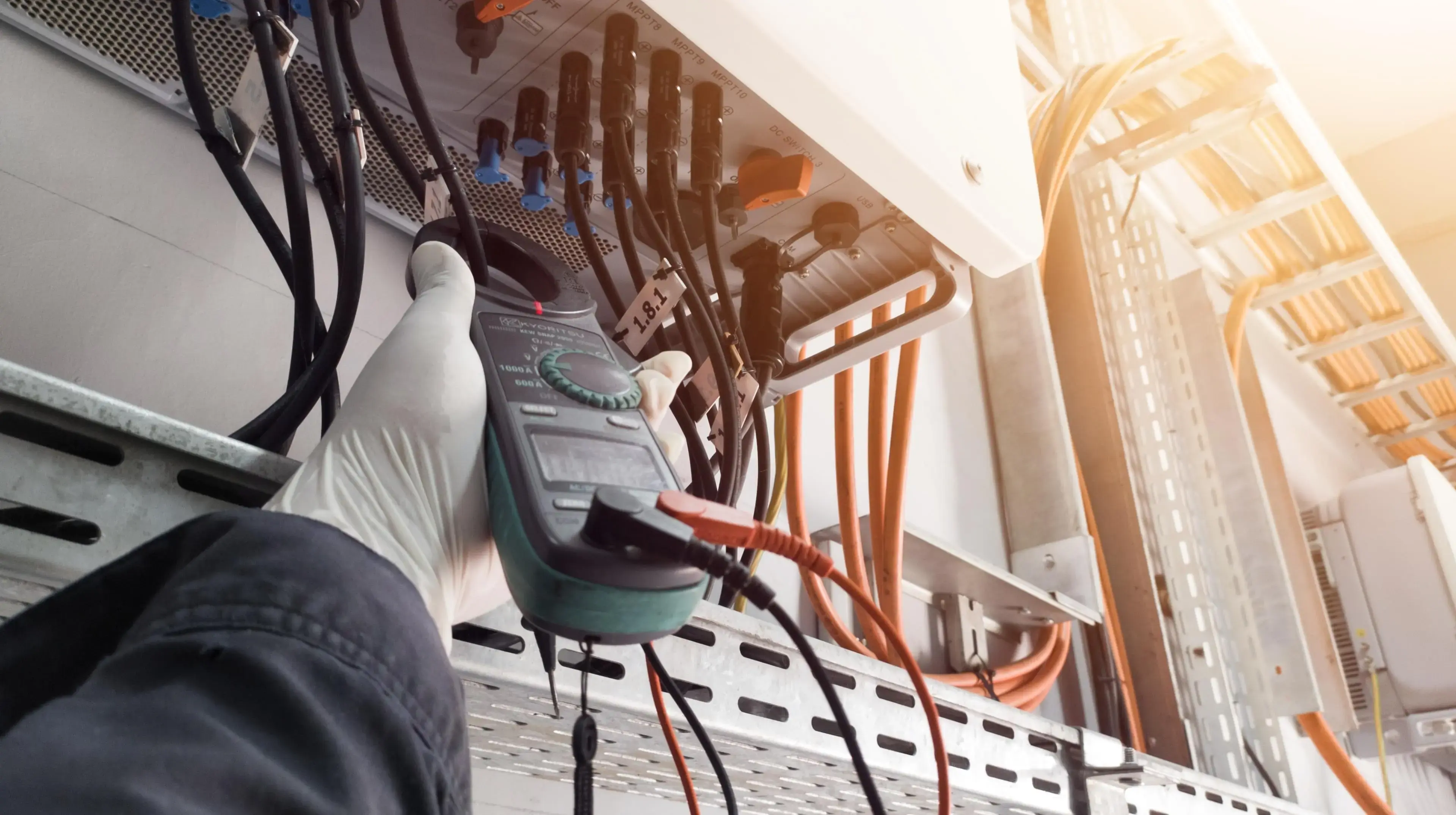
In renewable environments, teams can’t afford to rely solely on production data to assess the condition of inverters, combiner boxes, and power electronics.

MSAI Connect works alongside existing monitoring and analytics systems, adding an early, condition-based intelligence layer focused on asset health - not just output.

MSAI Connect on tablet - Temp playback
how it works

How Early Threat Detection Works

Extending component life requires understanding where degradation is occurring, how fast conditions are changing, and which operating factors are accelerating wear, not simply relying on run-to-failure or time-based maintenance assumptions.

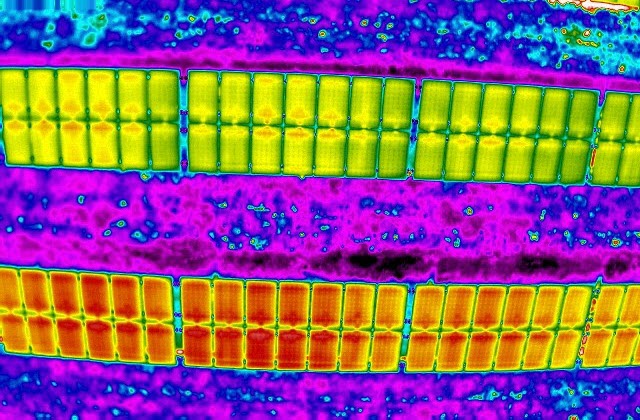
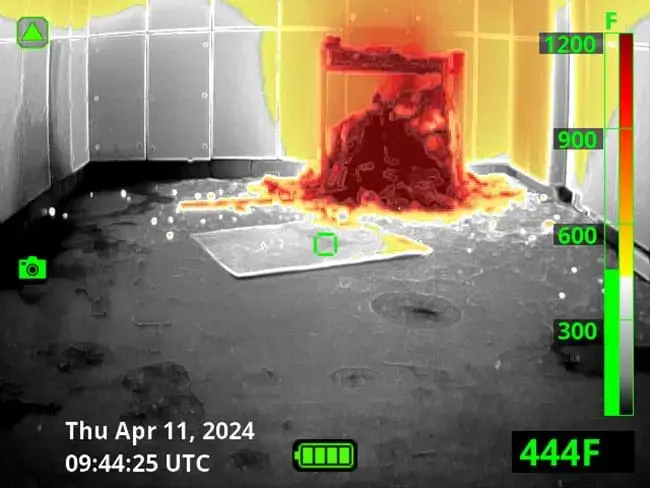
Before output drops meaningfully, subtle changes appear: 

  • ico-27 Localized thermal stress
  • ico-28 Mechanical inefficiencies
  • ico-29 Electrical imbalance or resistance changes
Solar Panel
Maintenance Equipment Optimization

Extending Component Life
Without Over-Maintaining

Without early condition insight, performance degradation in renewable generation assets accumulates quietly and unevenly across components.

Common challenges include:

This is especially visible in:

  • Solar_Thermal_Imaging (1)

    Thermal losses developing without triggering alarms

    img-107

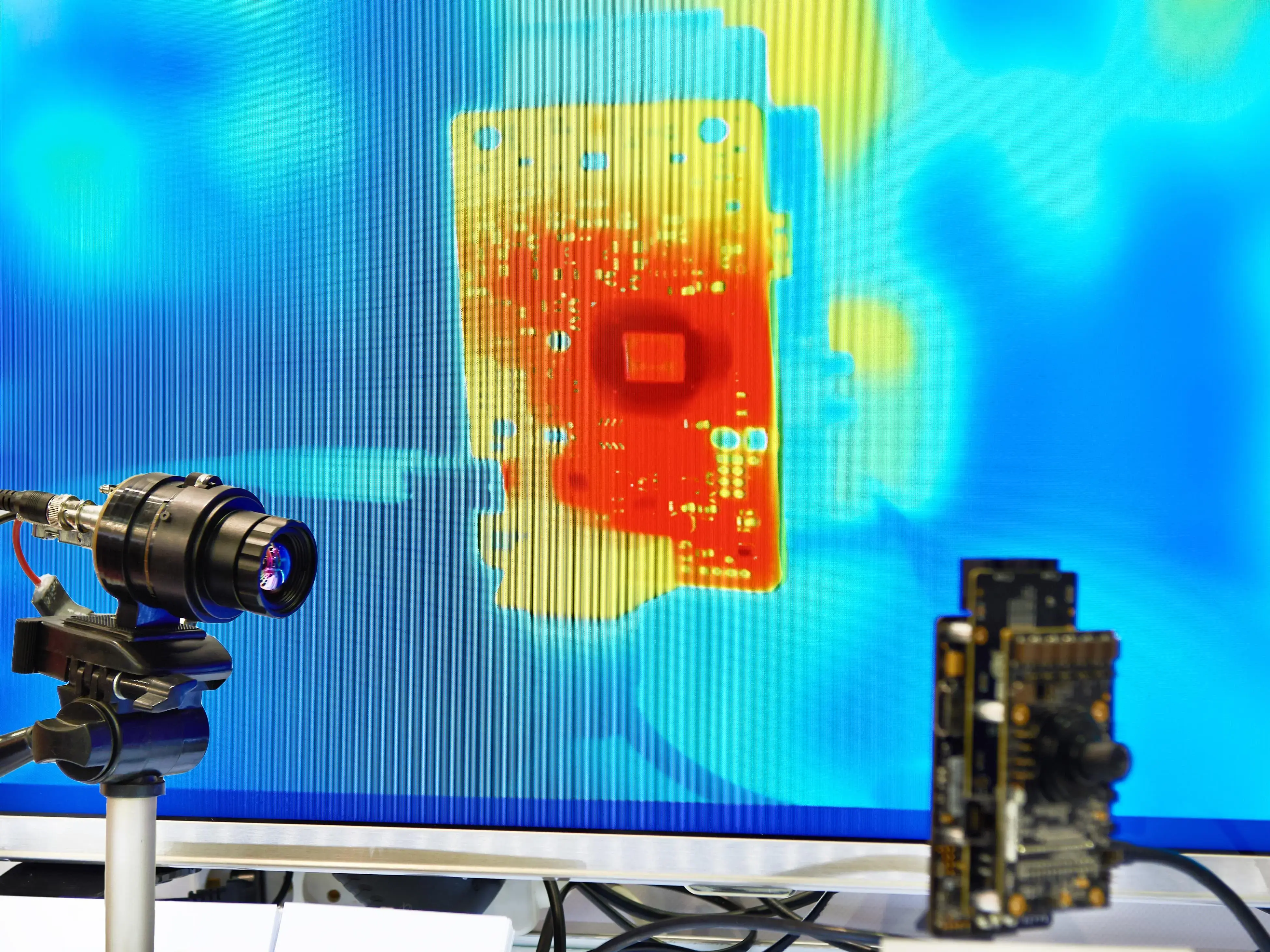
    Power electronics operating outside optimal thermal ranges without visible output loss

  • img-105

    Mechanical wear progressing below SCADA thresholds

    img-102

    Inverter and power electronics exposed to thermal cycling

  • img-106

    Electrical imbalance emerging long before output declines

    img-108

    Remote generation sites where inspection access is limited

Labour Effectiveness

Reducing Reactive Work Caused by Renewable Generation Performance Loss

Performance loss is hard to detect early because:

  • ico SCADA focuses on output, not condition
  • ico Environmental variability masks degradation
  • ico Spot inspections miss evolving issues
  • ico Mechanical and electrical signals overlap
img-100
Why This Failure Is Commonly Missed

What Happens If You Miss It

When early-stage degradation goes undetected, small inefficiencies compound into measurable performance loss and unplanned intervention – which in turn cost your operation time and money.

Common consequences include:

  • Localized heating accelerating connector and cable degradation
  • Electrical imbalance spreading across adjacent strings
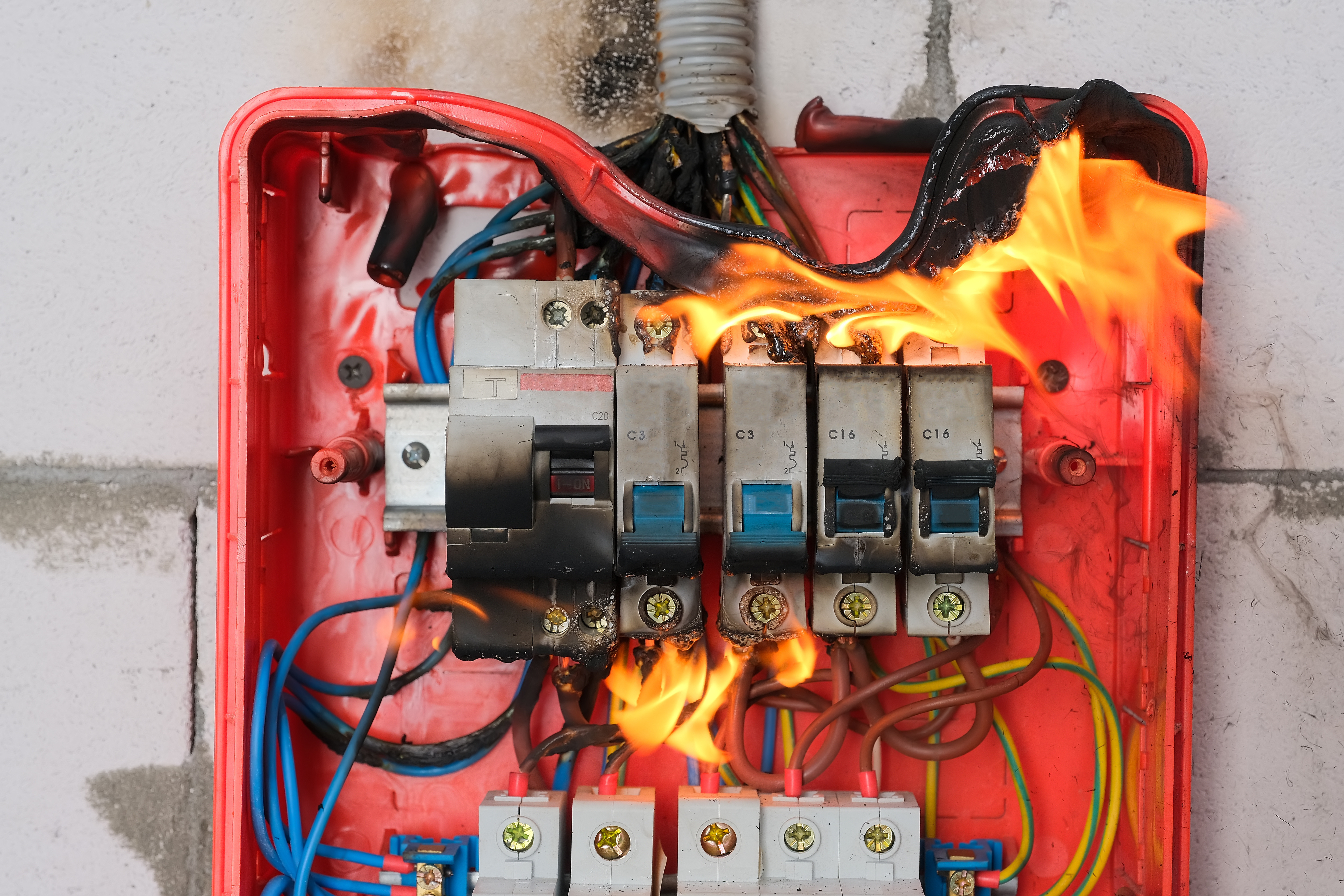
  • Minor faults escalating into forced outages or safety risks
AdobeStock_422432971

This often results in:

  • Reactive maintenance driven by alarms rather than condition
  • Shortened component life due to cumulative thermal stress
  • Lost energy production that cannot be recovered retroactively
OUR SOFTWARE

Turning Degradation Signals into
Maintenance Decisions 

Renewable generation assets rarely fail without warning — but the warning signs often appear as subtle thermal and electrical shifts long before alarms trigger. MSAI Connect continuously analyzes these condition signals to help teams distinguish environmental variability from true degradation trends.

Key capabilities include:

  • Detecting subtle thermal and electrical anomalies before alarms trigger
  • Tracking degradation trends across time, load, and environmental conditions
  • Differentiating normal operating variation from true fault progression
MSAI Connect thermal dash 1

This enables maintenance and engineering teams to:

  • Intervene only when conditions warrant action, not “just in case”
  • Prioritize maintenance based on asset health, not schedules
  • Extend component life while reducing unnecessary inspections
Asset & Environment Examples

Asset & Environment Examples

Early-stage performance loss is most difficult to identify in environments where degradation is distributed rather than catastrophic.

Common examples include:

  • ico-21 Large-scale solar arrays with thousands of DC connection points.
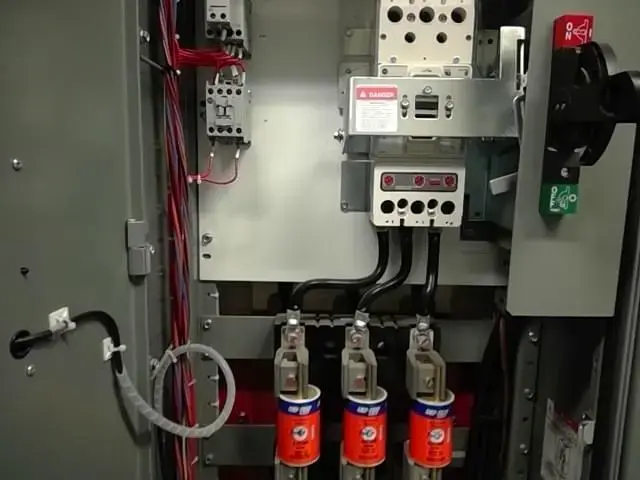
  • ico-22 Combiner boxes subject to uneven loading and heat exposure
  • ico-23 Power electronics operating under sustained thermal cycling

These environments benefit most from continuous condition monitoring because:

  • ico-24 Individual faults rarely trigger immediate alarms
  • ico-25 Manual inspection coverage is limited by scale and access
  • ico-26 Performance loss accumulates across many small degradation points
faq

Frequently Asked Questions

What causes renewable energy performance loss?

Common causes include mechanical wear, electrical stress, thermal inefficiencies, and environmental exposure - many of which are identified earlier using condition monitoring. 

Why doesn’t SCADA catch this earlier?

It reports output, not the underlying condition driving performance change.

How do you detect underperformance before failure?

You don’t. But you CAN detect component degradation and deploy a strong maintenance strategy.

Can performance loss be reversed?

Often yes — if degradation is caught early enough.