Detecting Automation and Robotics Faults Before They Disrupt Warehouse Operations
In highly automated warehouse environments, robotic and automation faults often develop gradually until a line fault, robot stop, or safety event forces immediate investigation.
-
 Unexpected robot stops or line shutdowns
-
 Repeated fault resets that do not resolve the root issue
-
 Missed picks, misfeeds, or dropped product
-
 Emergency troubleshooting during live production
-
 Increased safety exposure around moving equipment
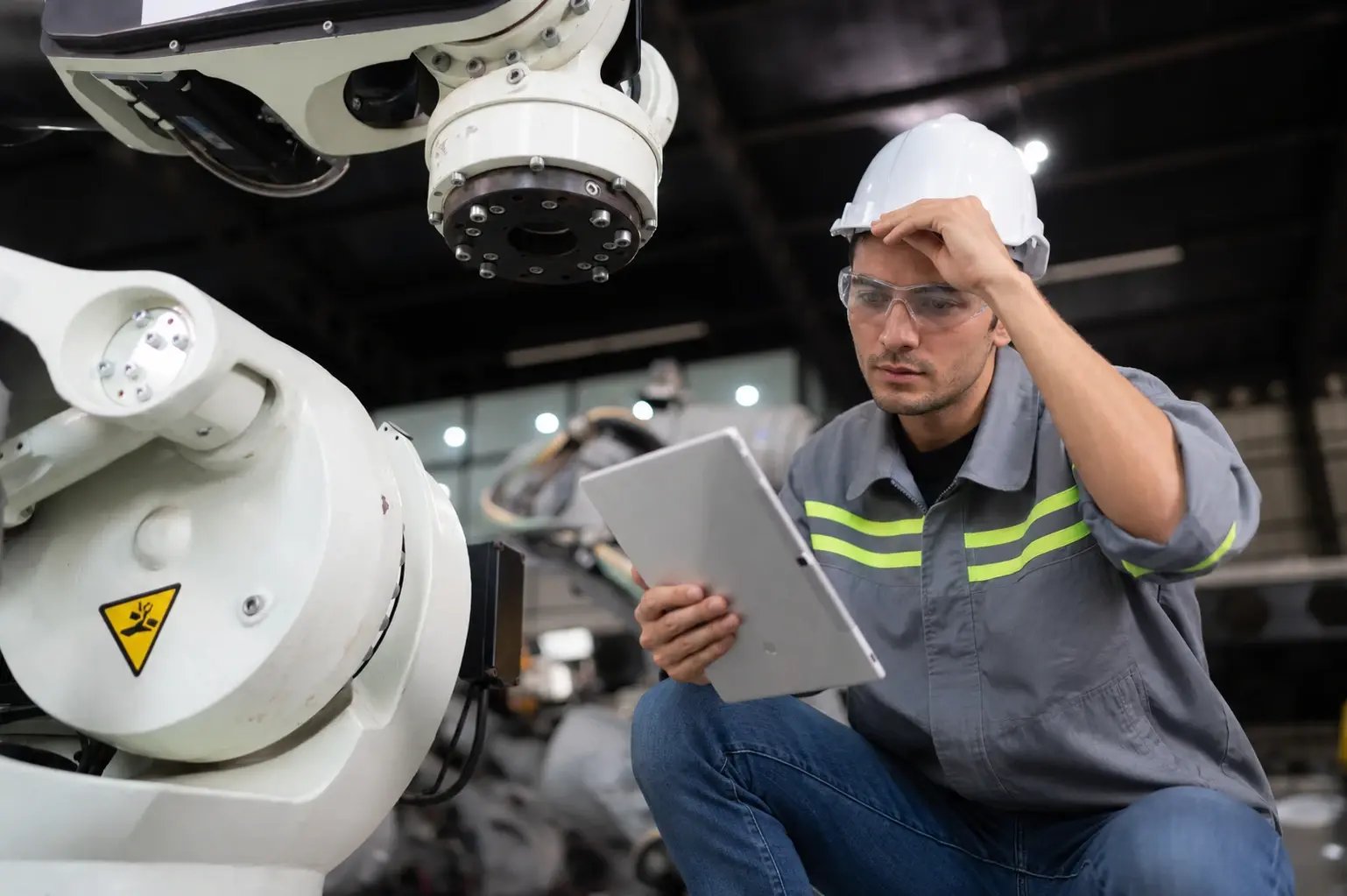
In many cases, the initial problem is small. A motor running hotter than normal, a drive under uneven load, or a robot joint drifting out of tolerance. Once faults start cascading across a cell or line, recovery becomes slow and disruptive.
What begins as a minor deviation often turns into extended downtime and lost throughput.
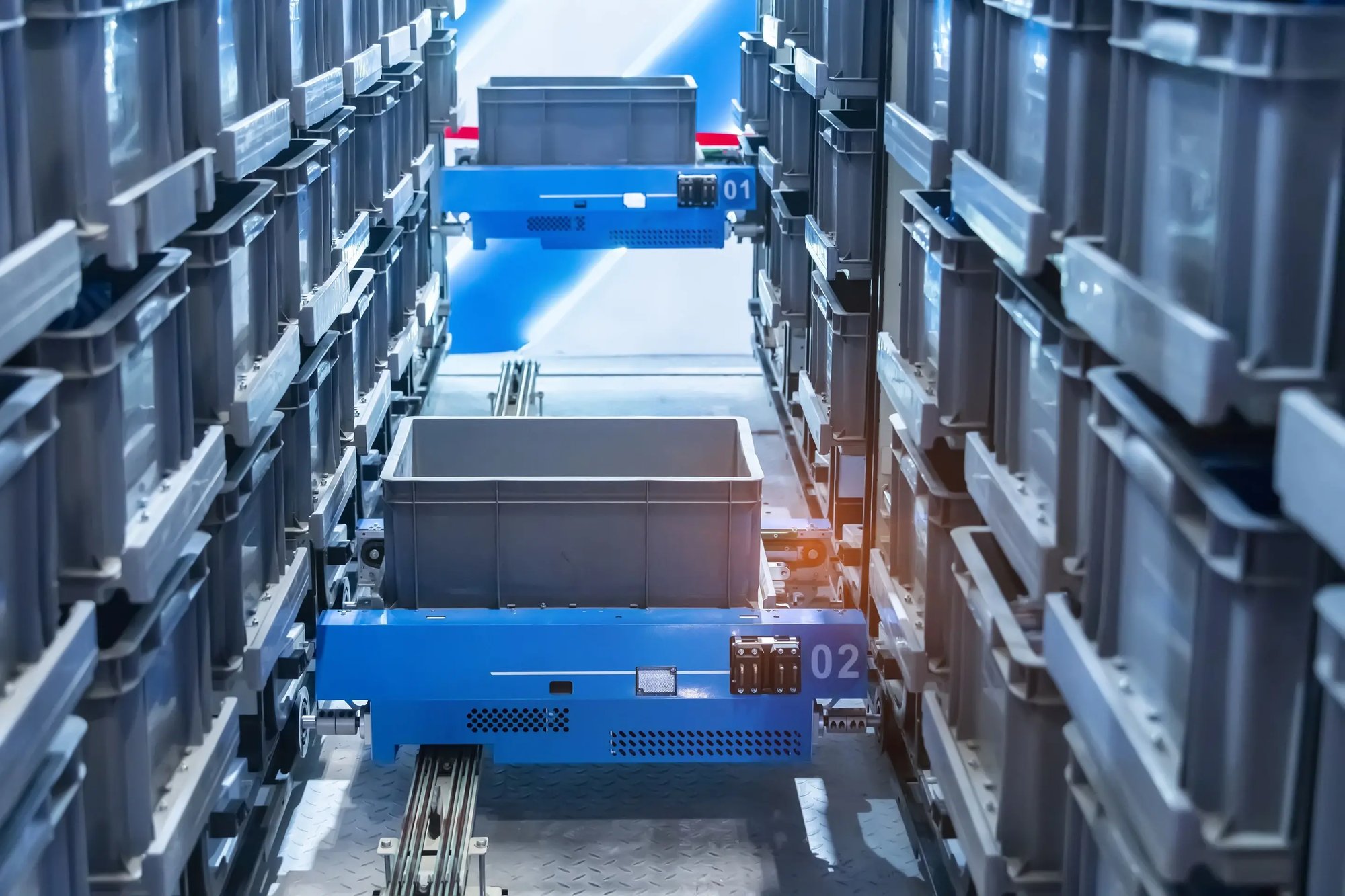
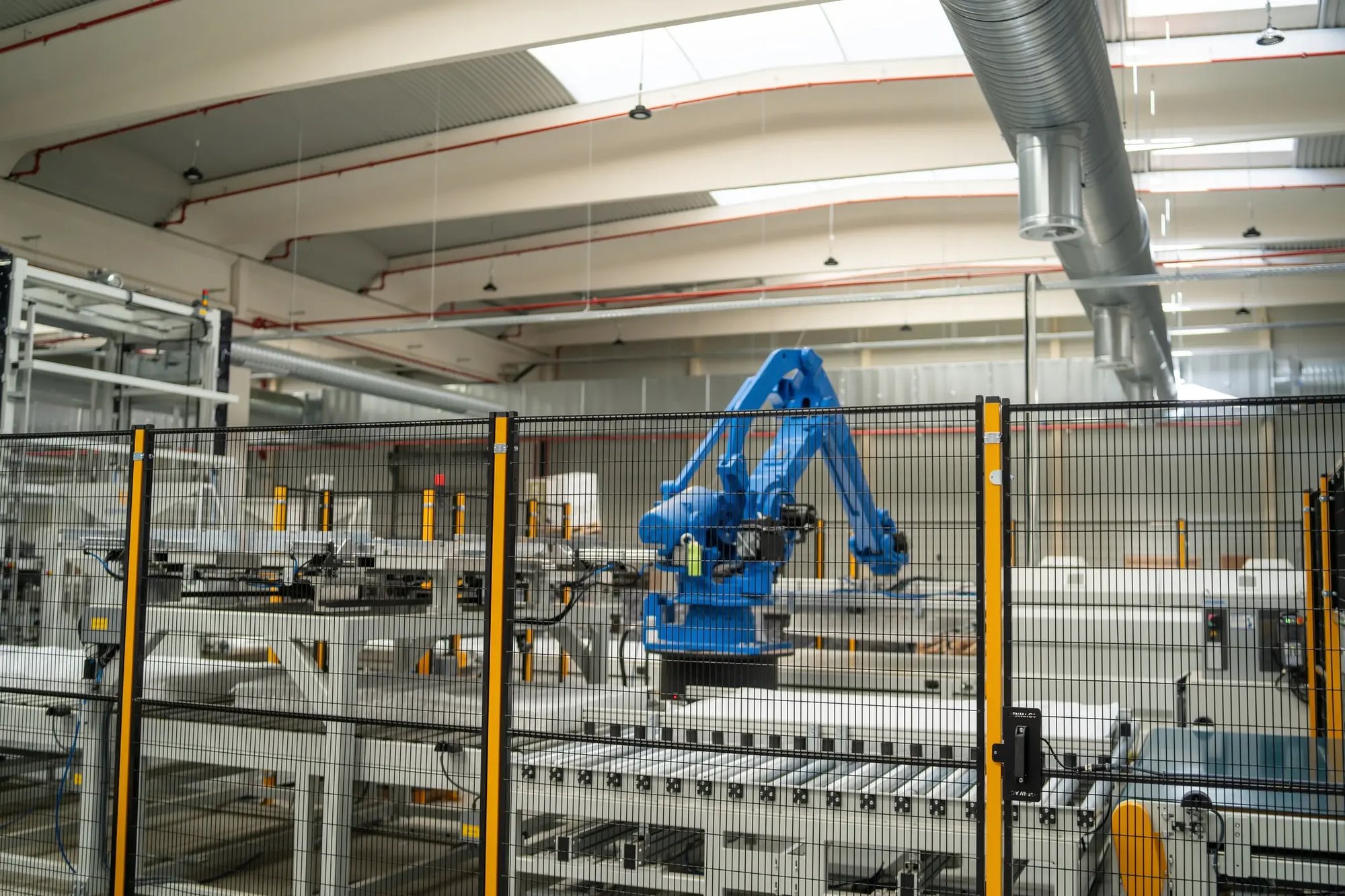
When robotic arms, automated sorters, shuttle systems, palletizers, ASRS cranes, or conveyor-driven cells begin to degrade, teams often notice:
By the time a robot faults out or a safety circuit trips, mechanical or electrical stress has often been building for weeks.
Internally, teams describe this as:
MultisensorAI delivers continuous condition insight through MSAI Connect, helping maintenance and reliability teams detect early mechanical and electrical degradation in robotic arms, sorters, drives, and control cabinets—before faults, stops, or safety events occur.
In high-speed warehouse environments, robot controllers and safety circuits are designed to stop motion when limits are exceeded—not to surface gradual heat buildup, load imbalance, or component drift.
MSAI Connect works alongside existing robot controllers, PLCs, and maintenance systems, adding a condition-based intelligence layer that:
-
Highlights abnormal temperature and performance trends without changing control logic or programs
-
Detects abnormal vibration on robot motors, gearboxes, and drive components - catching early mechanical wear before heat builds
.gif?width=1247&height=1020&name=MSAI%20Connect%20Thermal%20mockups%20(2).gif)

Common early indicators include:
-
 Localized heat buildup in motors, drives, or robot joints
-
 Uneven temperature across similar robots or conveyor zones
-
 Gradual increases in vibration or friction
-
 Electrical stress caused by load variation or duty cycle changes
Robot alarms and safety interlocks are designed to stop motion when limits are exceeded. They are not designed to show gradual degradation.
Early detection depends on knowing which motors, joints, or drives are running hotter than expected, how fast conditions are changing, and how one robot compares to another performing the same task.
Common challenges include:
This is especially common in:
-
Robot motors replaced early due to nuisance faults
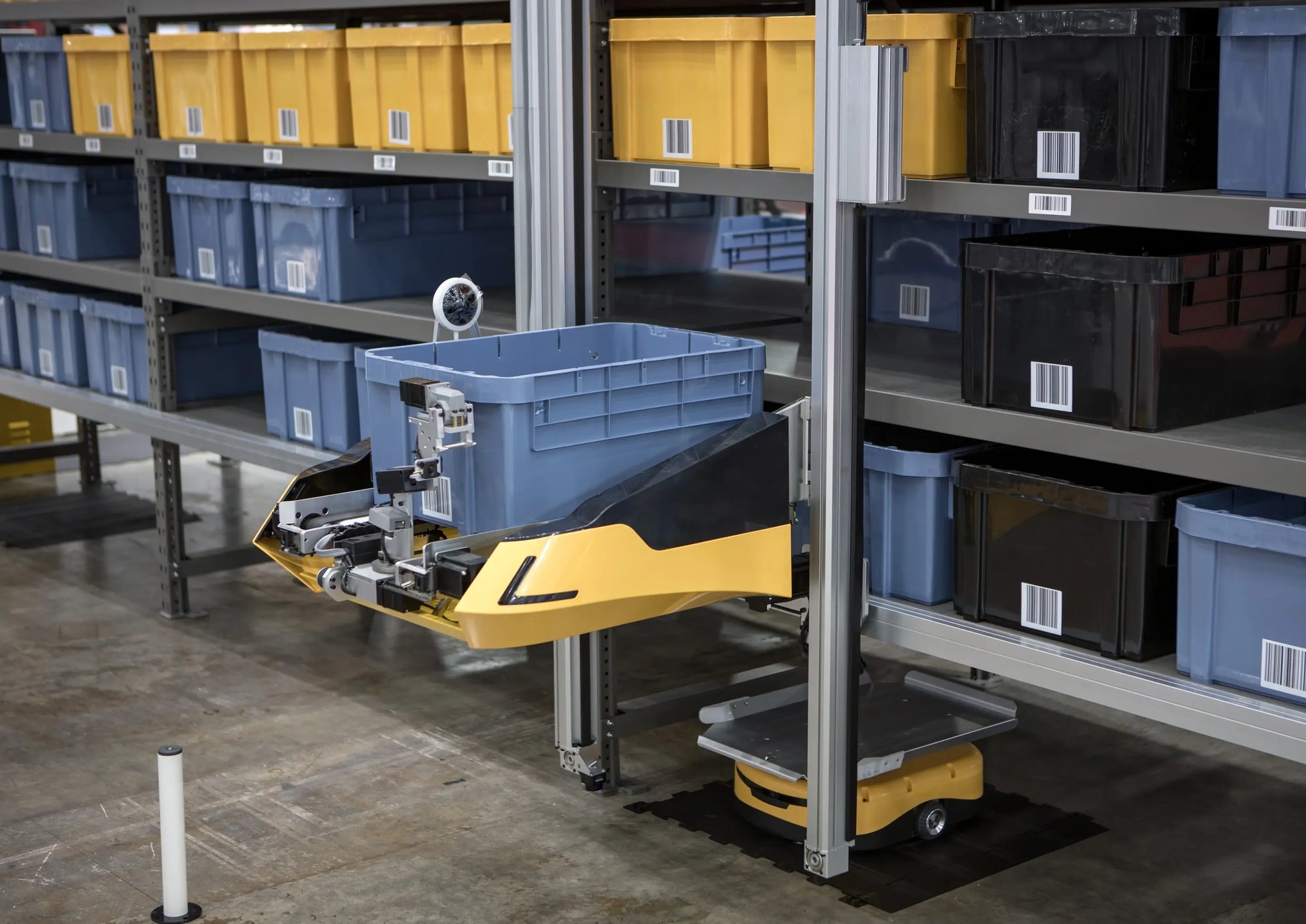
Robotic pick-and-place cells
-
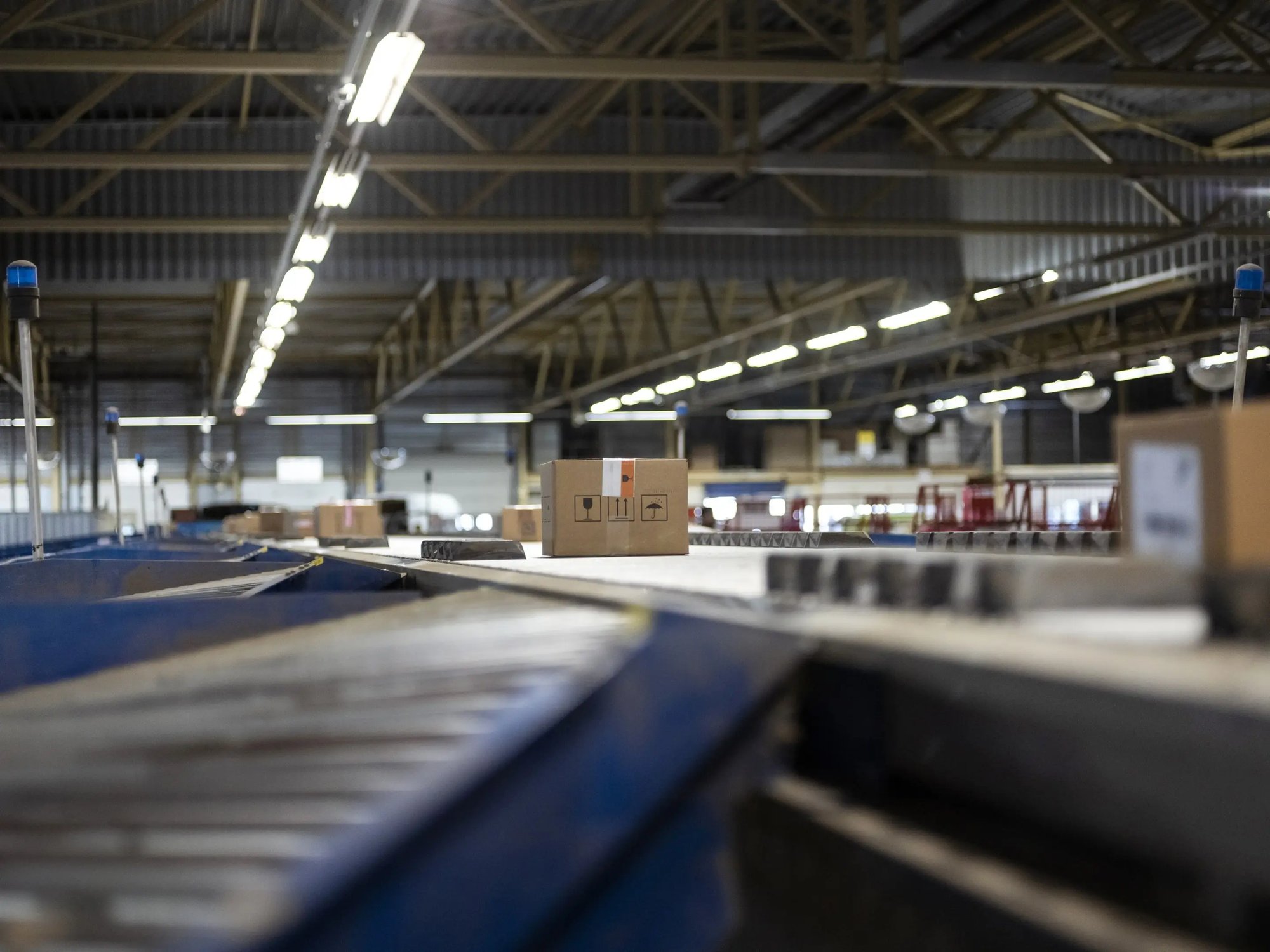
Gearboxes serviced uniformly despite uneven duty cycles
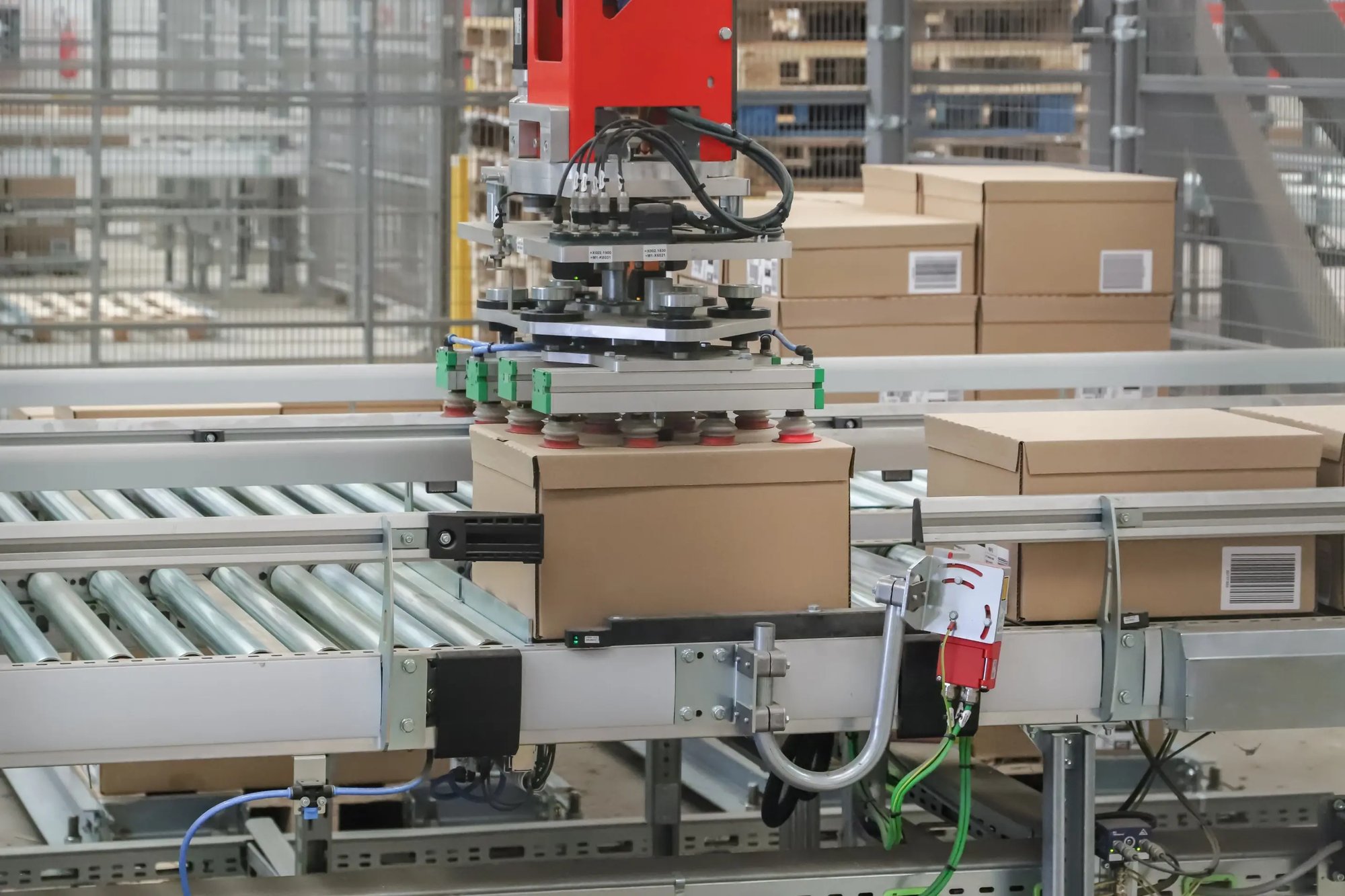
Automated sortation and palletizing systems
-
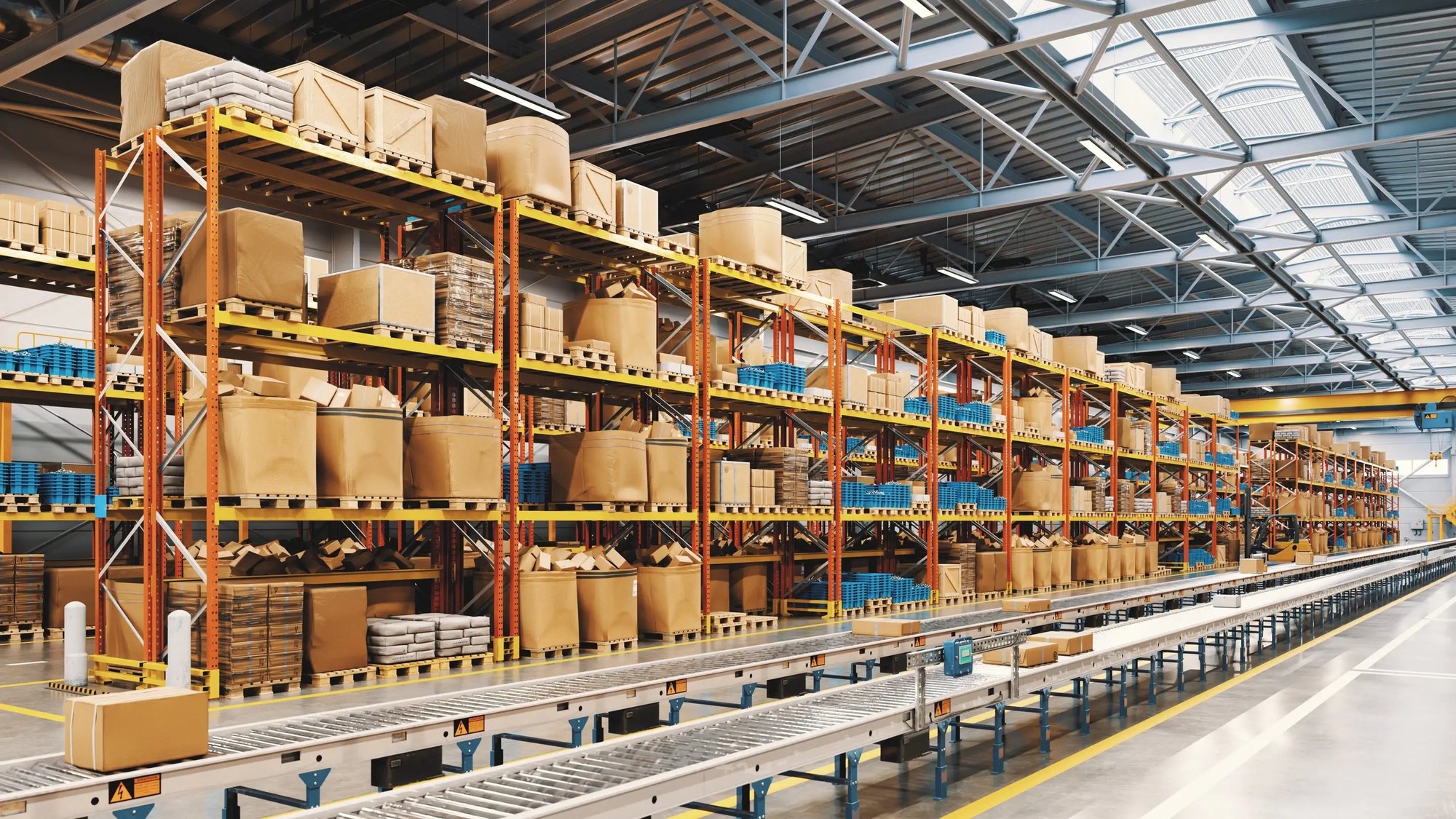
Preventive maintenance applied broadly across entire lines
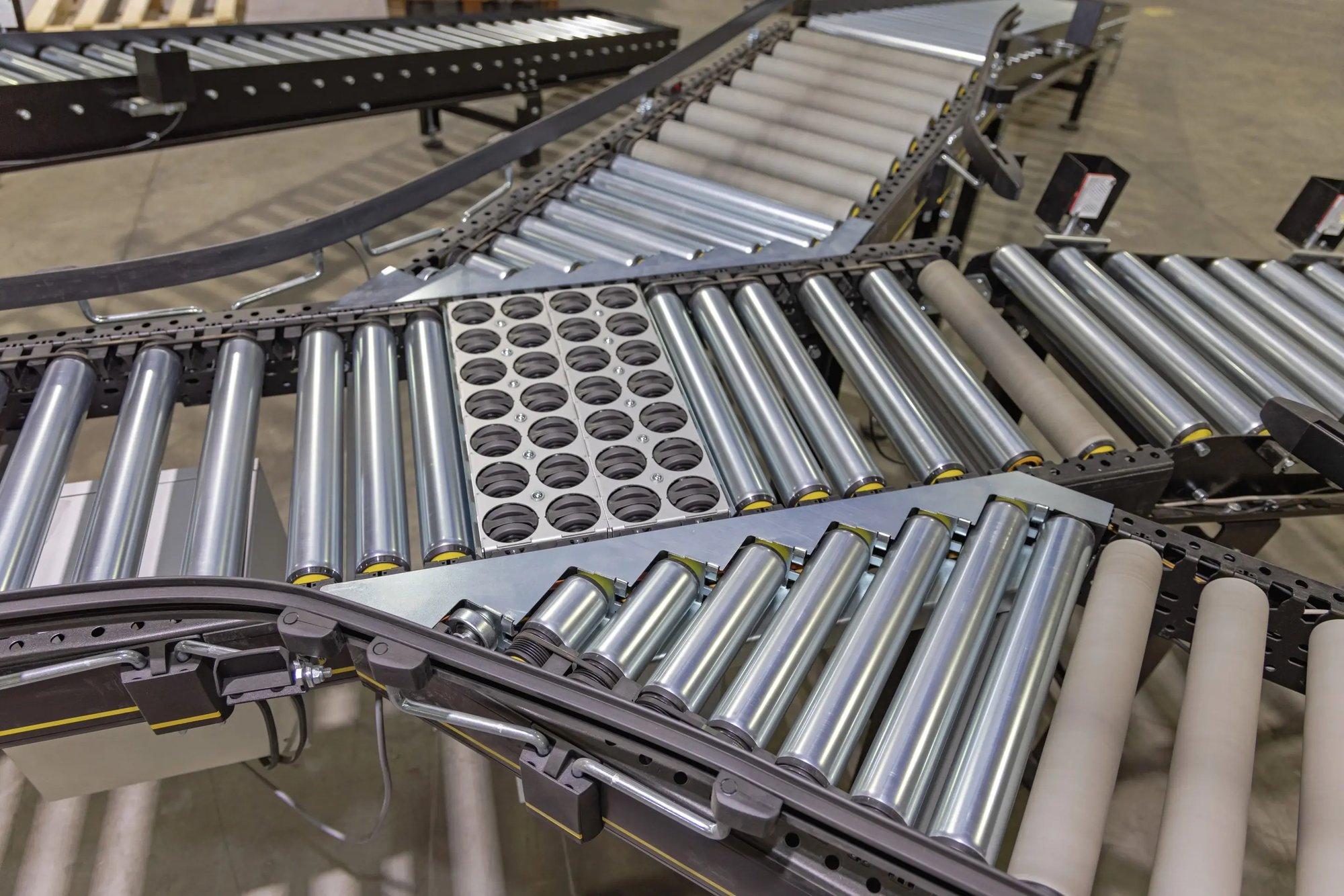
Conveyor-driven merge and divert zones
Extending component life requires knowing which motors, joints, or drives are actually degrading and how quickly conditions are changing, rather than relying only on run hours, fault counts, or calendar-based maintenance.
Teams frequently experience:
-
 Emergency calls after robots fault out mid-shift
-
 Repeated resets that do not address the underlying issue
-
 Skilled technicians pulled from planned work to chase intermittent faults
This reactive cycle consumes labour without improving reliability.
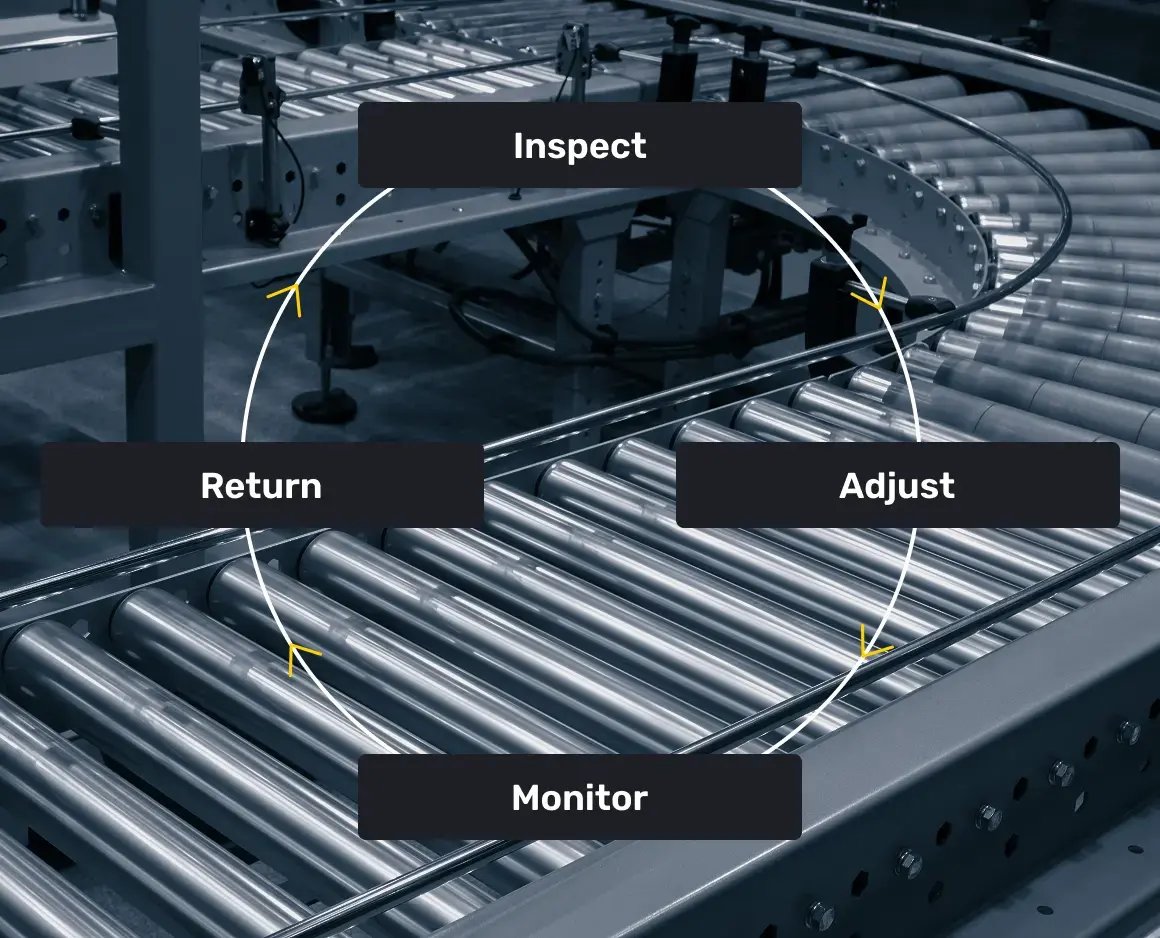
Reducing reactive work depends on catching degradation early, before faults repeat. This allows teams to plan access, stage parts, and correct the issue during scheduled windows instead of reacting to stops during production.
If left unaddressed, these conditions can lead to:
-
 Motor or drive failure
-
 Robot joint seizure or loss of position accuracy
-
 Increased safety risk during manual recovery or repair
Managing heat and friction early helps reduce the likelihood of sudden stops and hazardous recovery scenarios, shifting work from urgent intervention to controlled maintenance.
Common outcomes include:
-
 Repeated robot stops and lost throughput
-
 Cascading faults across interconnected equipment
-
 Emergency troubleshooting under production pressure
-
 Increased safety exposure during manual recovery
In many cases, the issue starts at a single motor, joint, or drive. Once heat or friction accelerates, fault frequency increases and recovery becomes disruptive.
Missing early indicators turns automation maintenance into constant firefighting. And, missing early signs of automation and robotics faults turns small issues into repeated production stops.