Typical consequences include:
-
 Unplanned downtime and line stoppages
-
 Emergency maintenance and expedited parts
-
 Safety exposure during reactive repairs
-
 Secondary damage to shafts, housings, or adjacent components
What begins as minor bearing wear often ends as a full asset outage.
-
 Detect bearing and motor degradation before alarms or trips occur
-
 Reduce emergency repairs and reactive maintenance
-
 Identify localized heat and vibration trends early
-
 Prioritize interventions based on condition change — not assumptions
-
 Improve uptime across continuously running assets
Used by maintenance and reliability teams to identify early mechanical degradation in rotating equipment before failure disrupts operations.
Early signs of rotating equipment degradation in bearings, motors, and gearboxes often include:
These symptoms often appear minor or inconsistent, even though internal wear has already accelerated. In fact, by the time these symptoms are obvious, internal wear has sped up, replacement timelines have narrowed, and failure risk has increased.
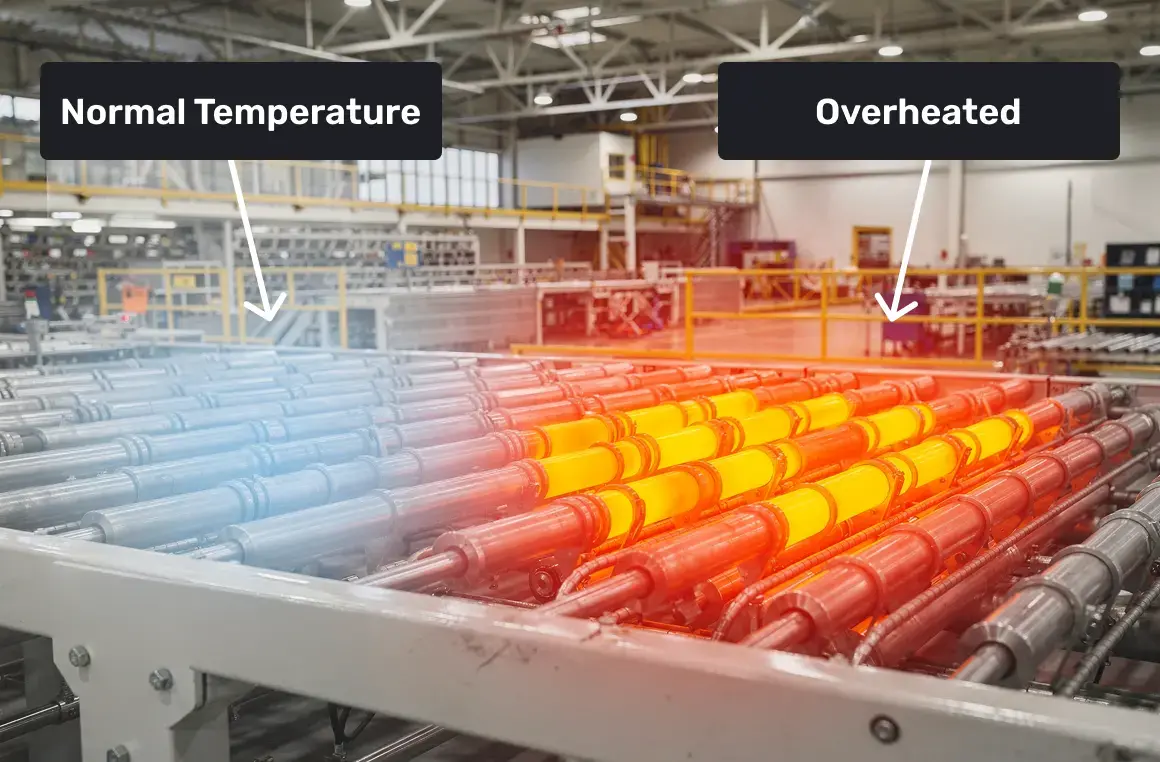
Maintenance teams often describe this internally as:
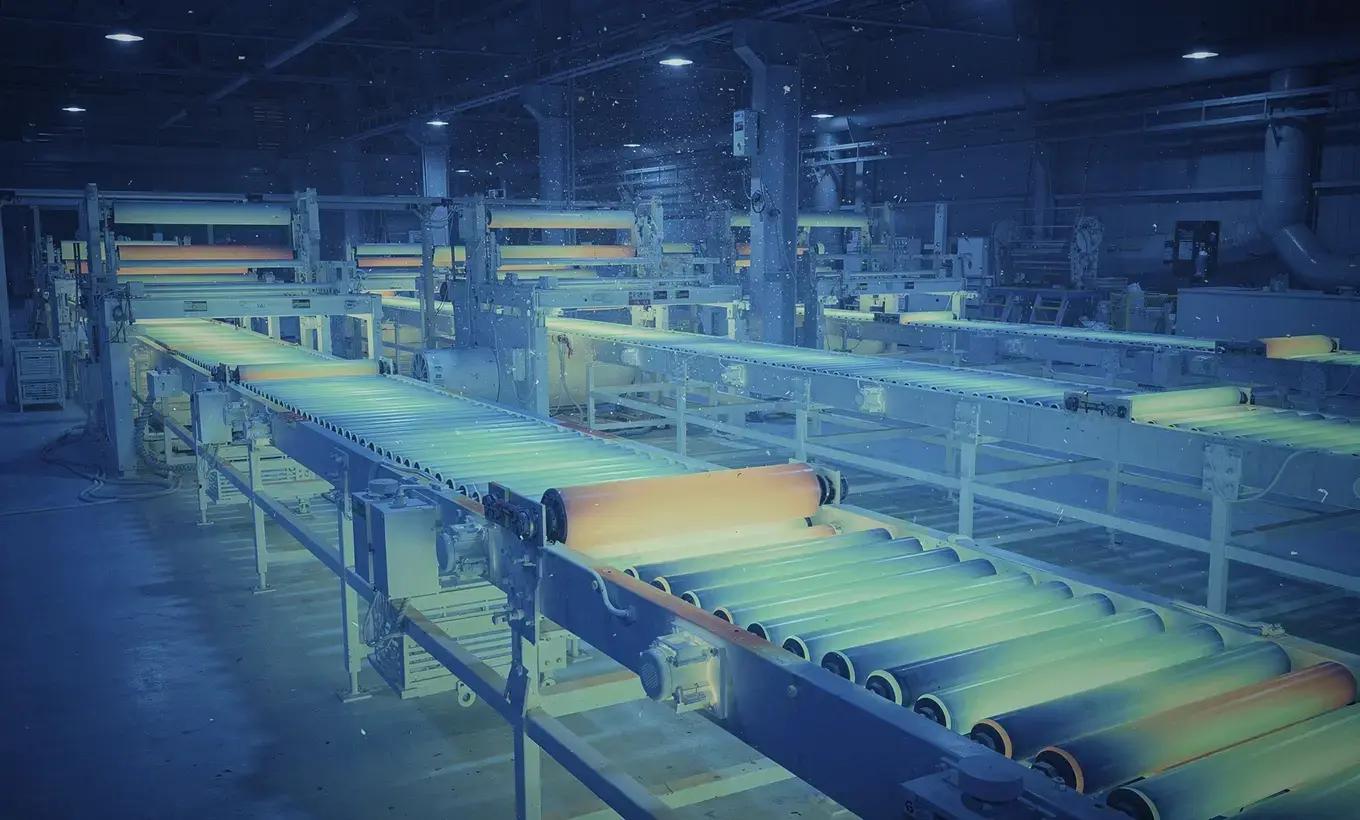
MSAI Connect provides continuous, asset-level visibility into conveyor rollers, bearings, motors, and tension assemblies — adding an early condition layer above OEM alarms and PLC states, which typically fire late. Other benefits include:
-
Detects early thermal patterns associated with bearing wear, belt mistracking, and roller friction
-
Identifies abnormal heat in motors and gearboxes before catastrophic seizure or belt damage occurs
-
Surfaces gradual degradation trends across mainline trunks, merges, and sorter feeds
-
Pinpoints specific components - not just “line unhealthy” - to reduce troubleshooting time
-
Provides historical trending so maintenance teams can intervene during planned windows, not during peak outbound waves
.gif)

-
Localized temperature increases
-
Gradual vibration pattern shifts
-
Changes in acoustic or mechanical consistency
No single signal tells the full story.
Early detection requires context — understanding how heat, vibration, and load interact over time.
Spot checks may catch obvious issues. Continuous observation reveals how fast conditions are changing, which is often more important than absolute values.
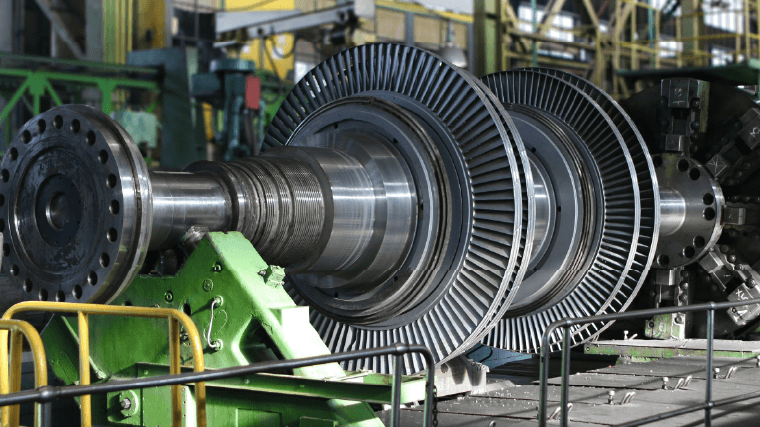
Common challenges include:
This is especially visible in:
-
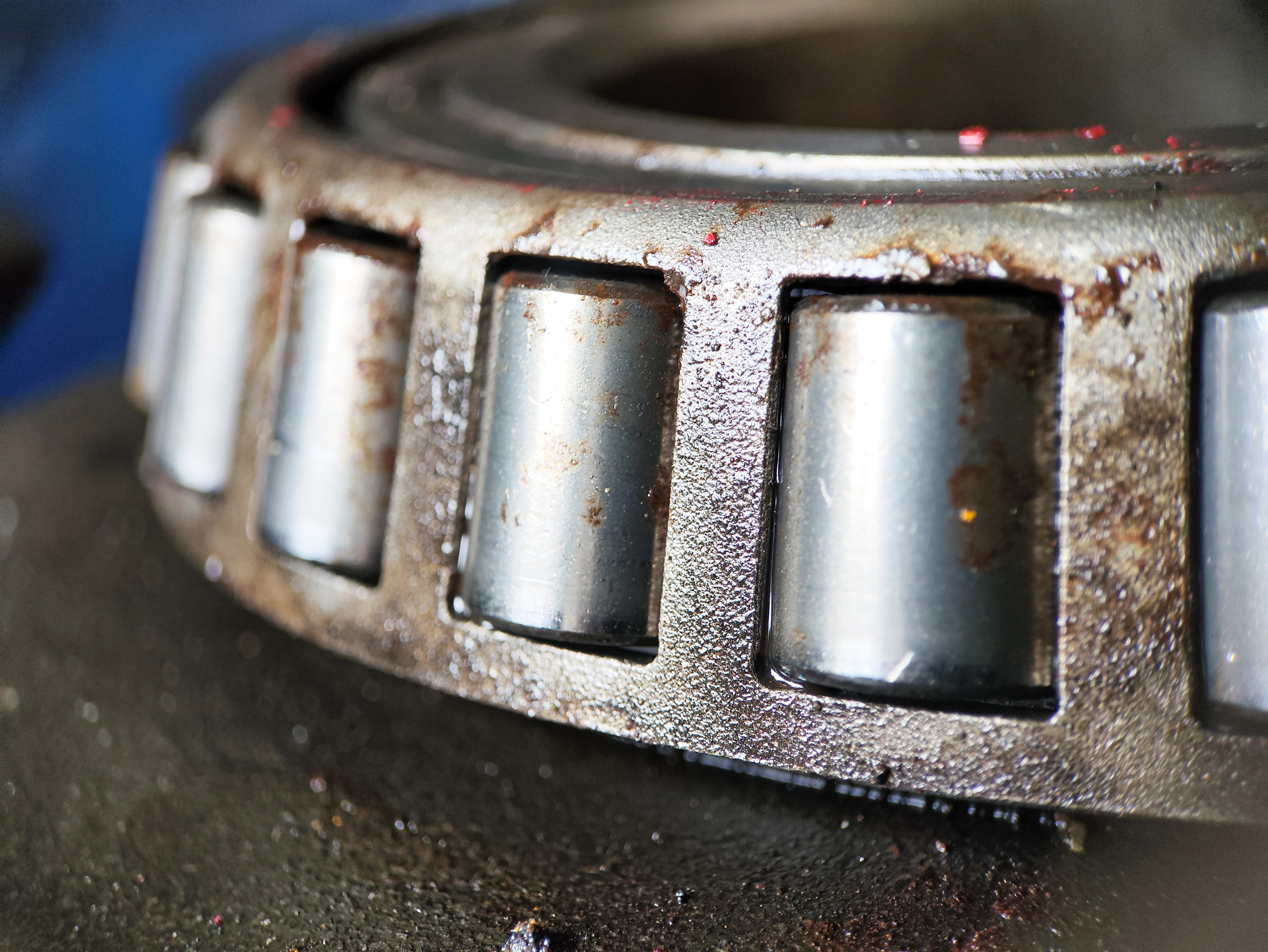
Bearings replaced early because wear is unclear
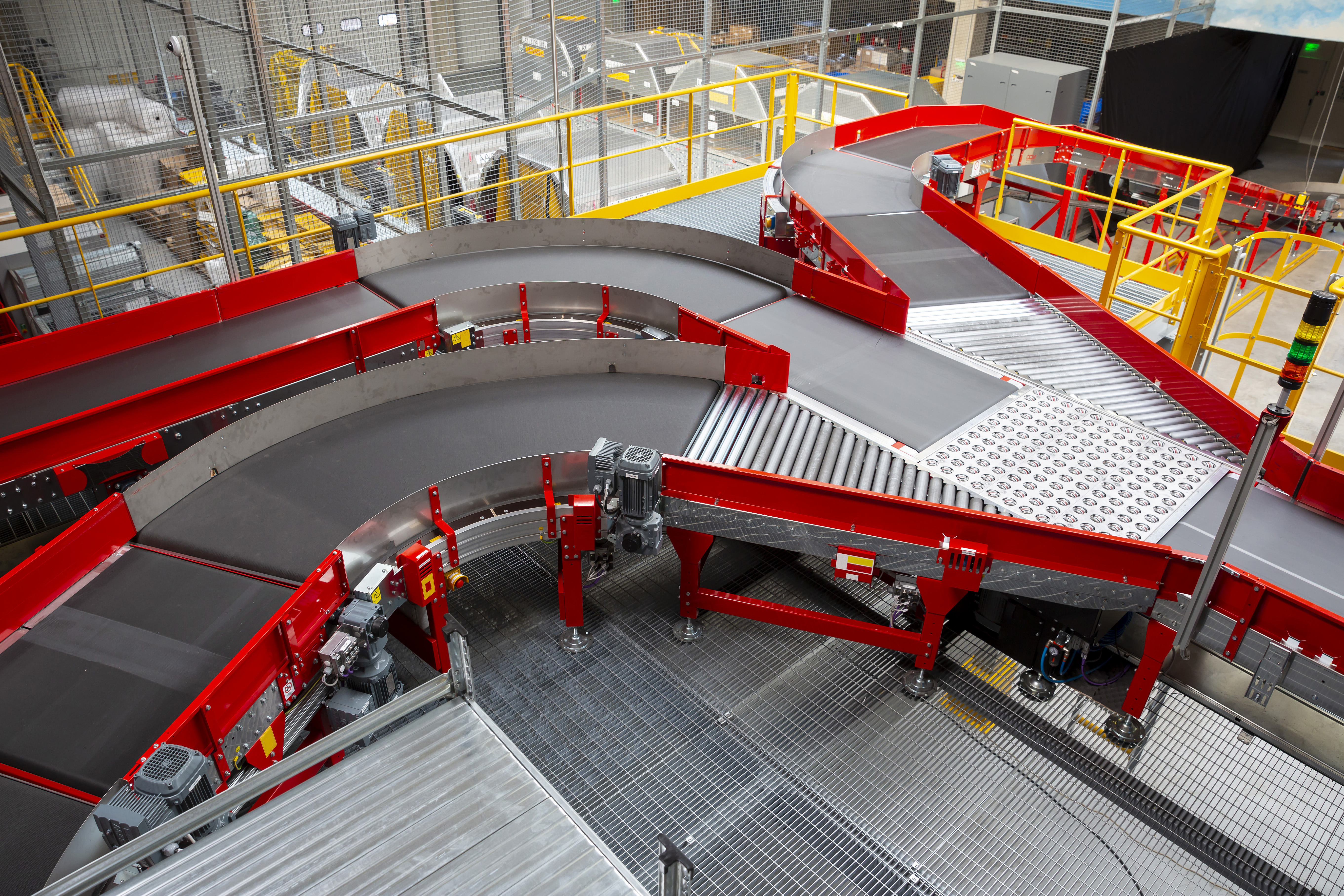
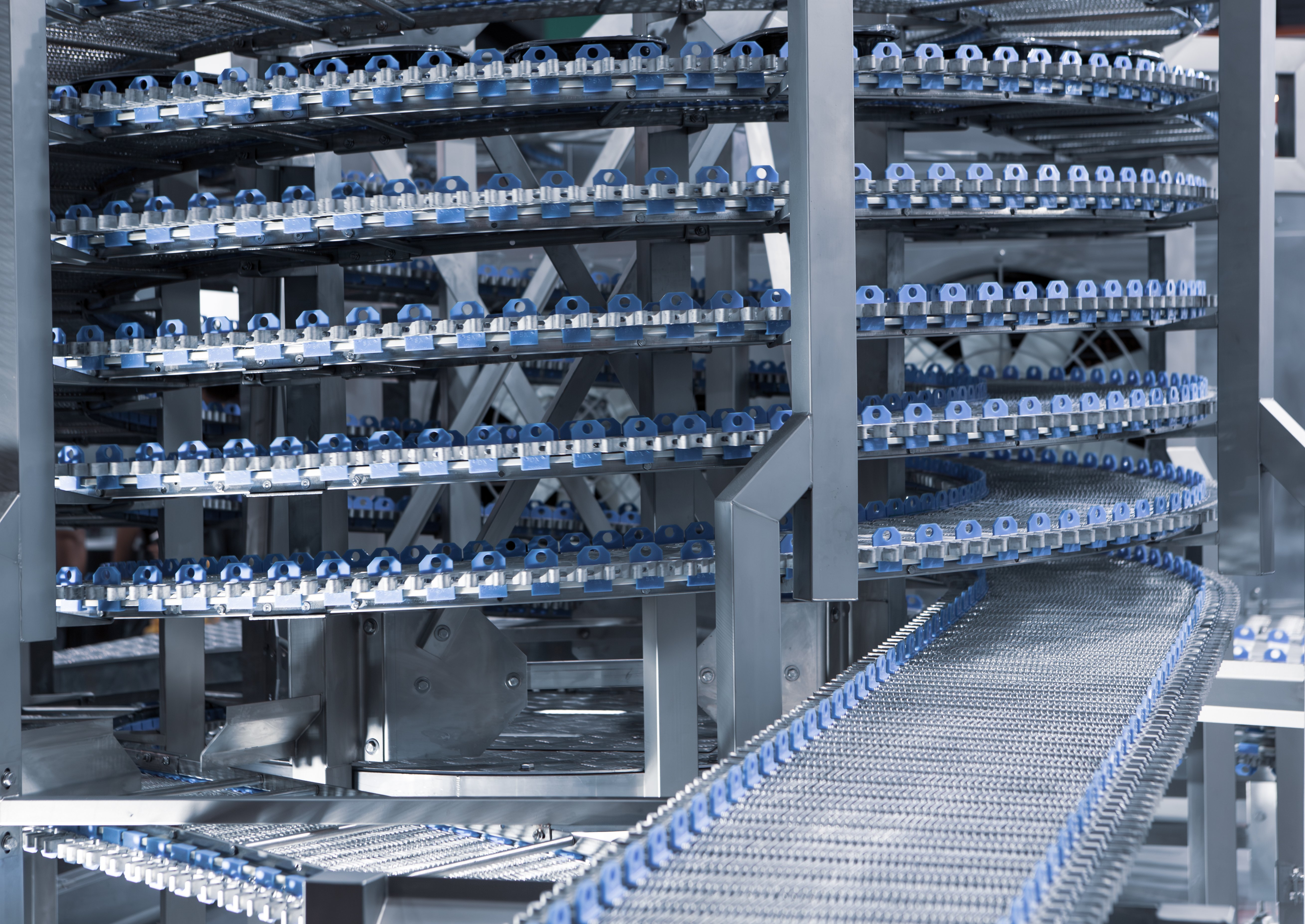
High-speed conveyors and sortation systems
-
Identical components failing at different times
Fans and pumps operating under fluctuating loads
-

Blanket PM intervals applied across variable load zones
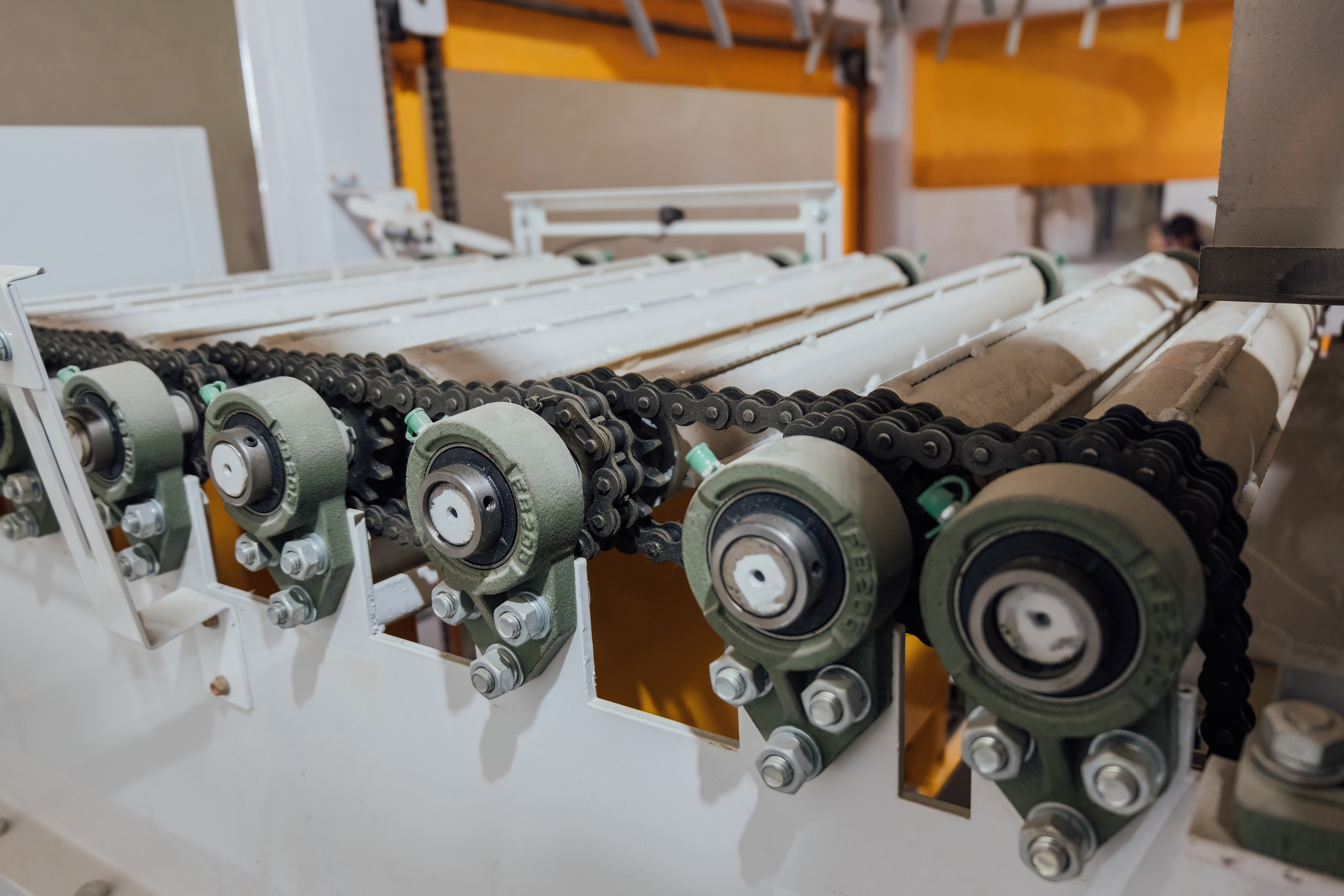
Gearboxes that experience uneven duty cycles
Extending component life requires understanding which parts are degrading, how quickly, and under what operating conditions — not relying on time-based assumptions alone.
Teams often experience:
-
 Emergency call-outs for assets that were “running fine”
-
 Unplanned work that displaces scheduled maintenance
-
 Repeated troubleshooting of the same components
This creates a cycle where skilled labour is consumed by urgent repairs instead of reliability improvement.
Reducing reactive work depends on seeing degradation trends before failure, allowing teams to plan interventions, align parts availability, and apply labour where it delivers the most value.
If left unaddressed, this can lead to:
-
 Sudden component seizure or rupture
-
 Elevated risk during emergency repairs
-
 Increased exposure to hot surfaces or moving parts
Managing these conditions early helps teams reduce the likelihood of hazardous failure scenarios, shifting maintenance from reactive intervention to controlled, lower-risk work.
-
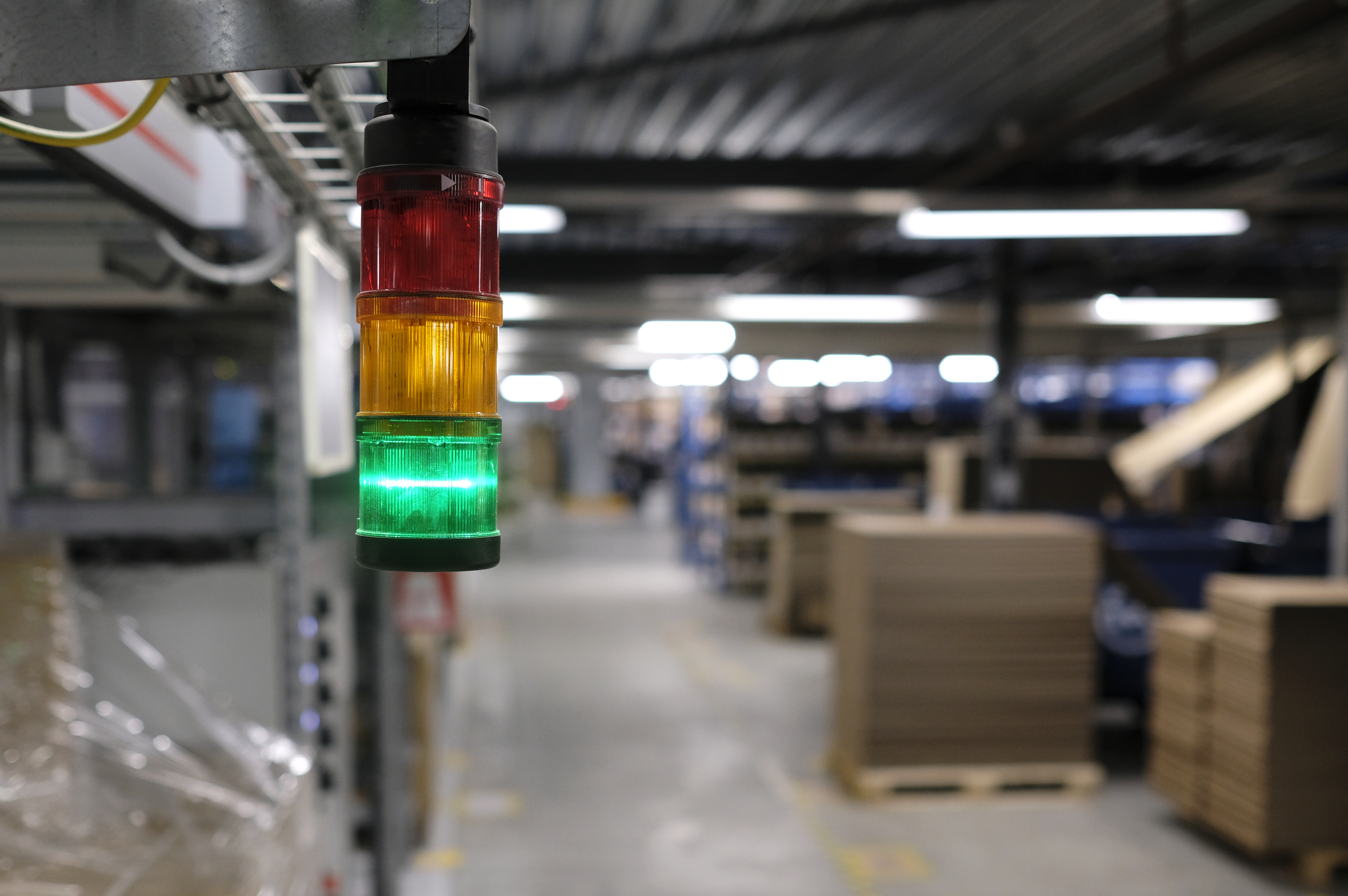
OEM alarms that trigger only at late-stage thresholds
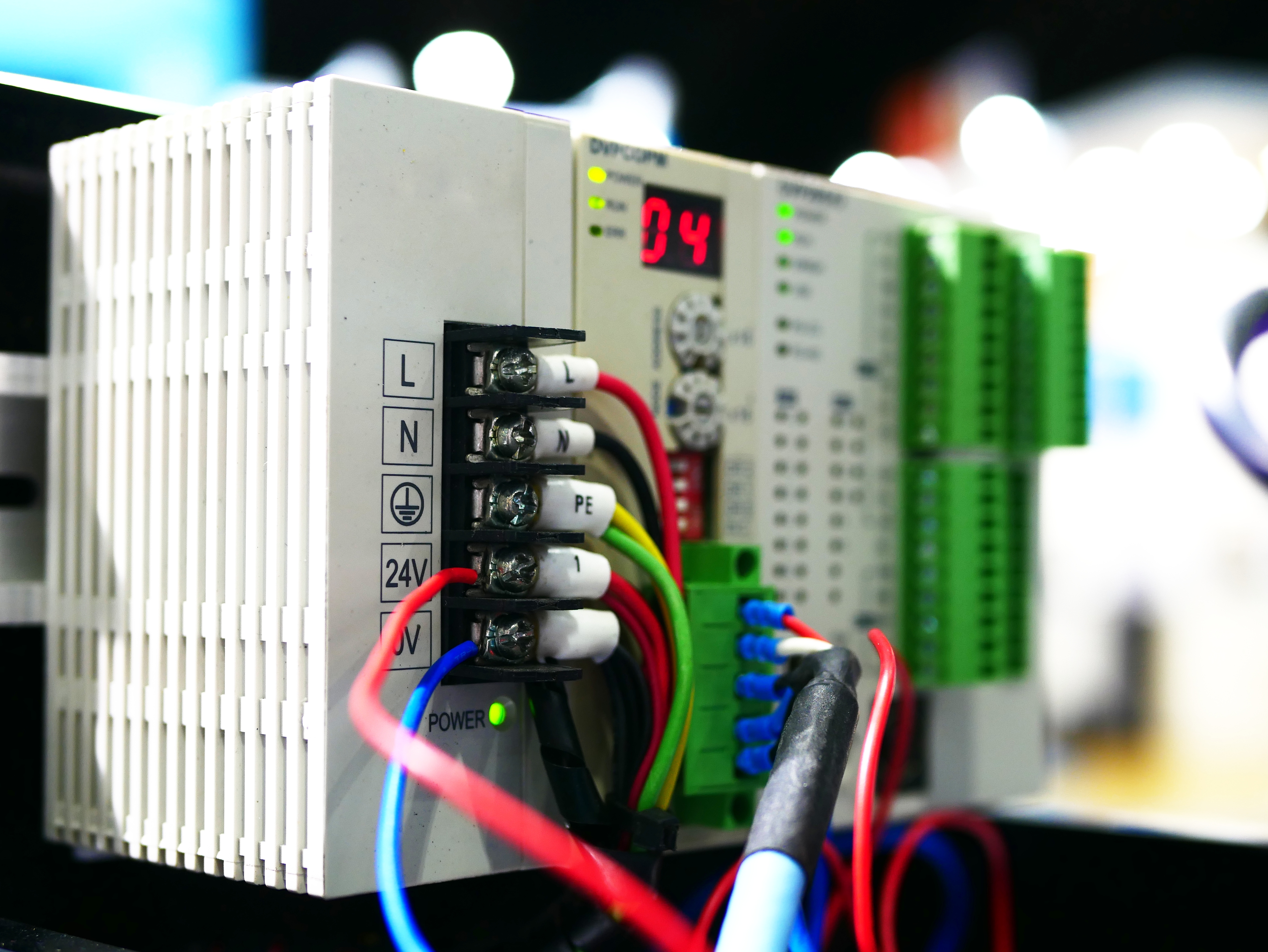
PLCs reporting status, not condition
-

Periodic inspections that miss intermittent or developing issues
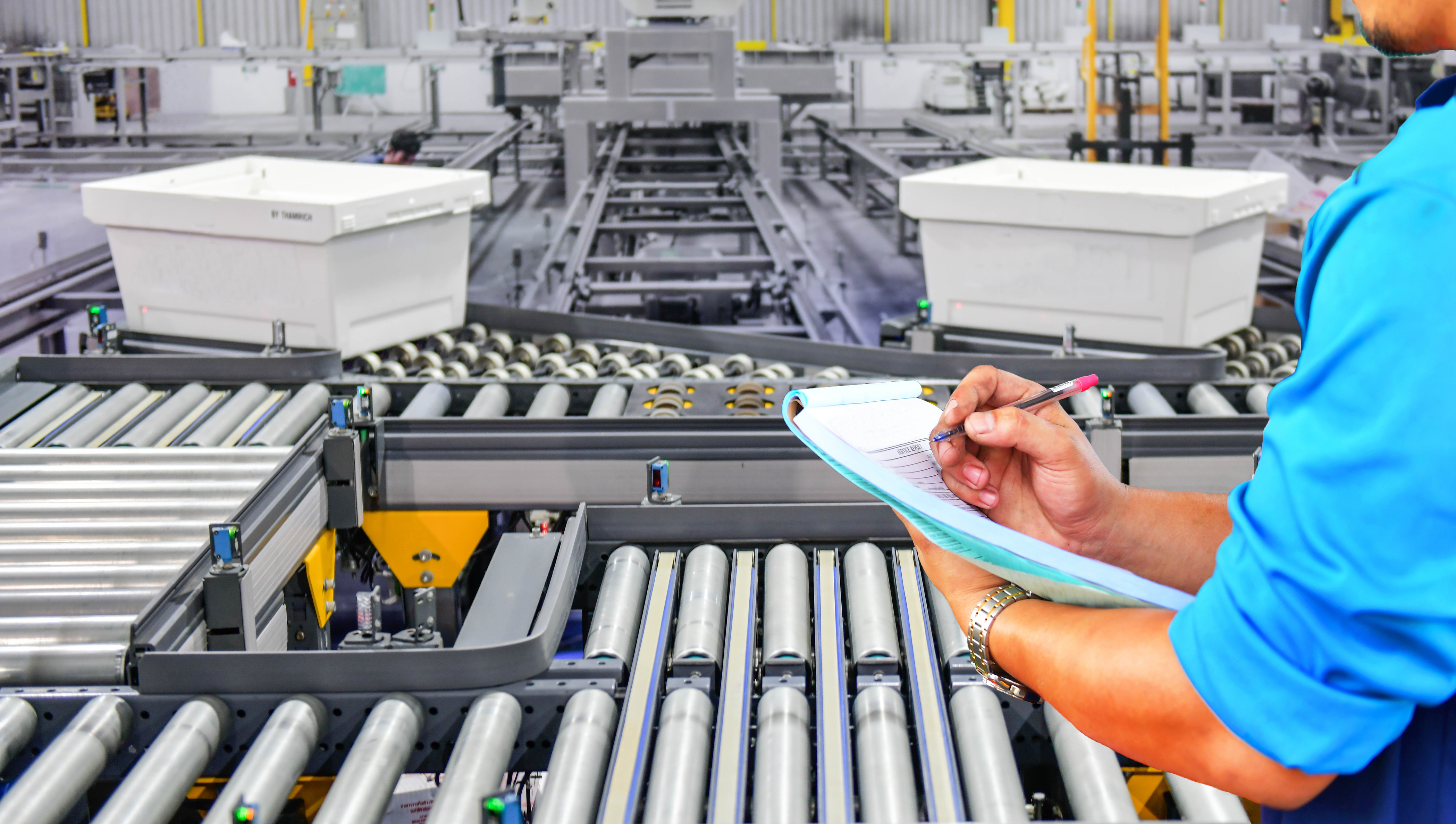
Reliance on human perception for sound, heat, or vibration
-
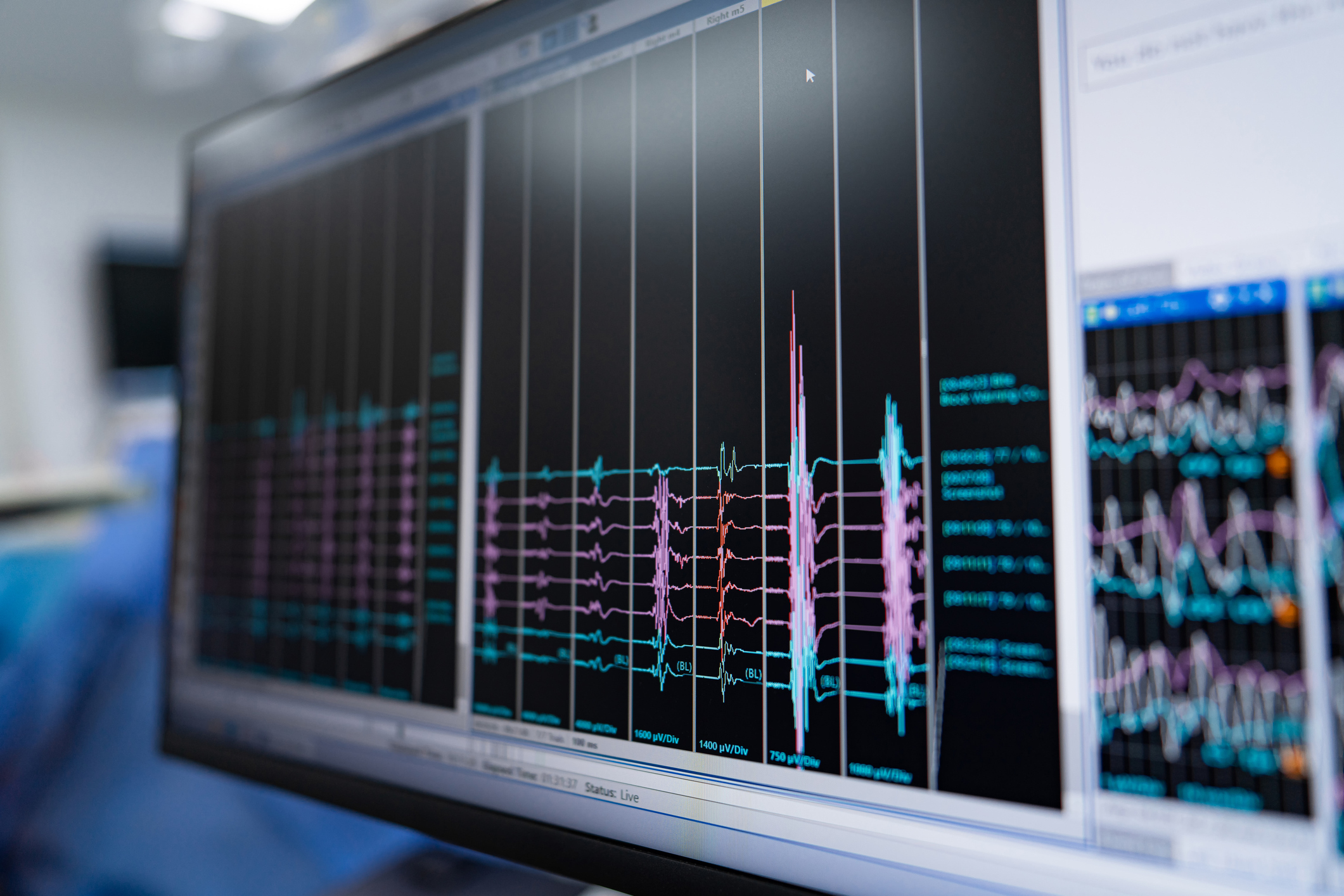
Vibration monitoring alone often misses early bearing wear
These tools confirm when something is broken — not when it’s starting to break.