
One Signal Is Not Enough: How MultiSensor AI Compares
Stop choosing between vibration and thermal. Compare condition-based monitoring options side by side, and see how a multi-sensor condition intelligence platform can help you see problems sooner and protect uptime.
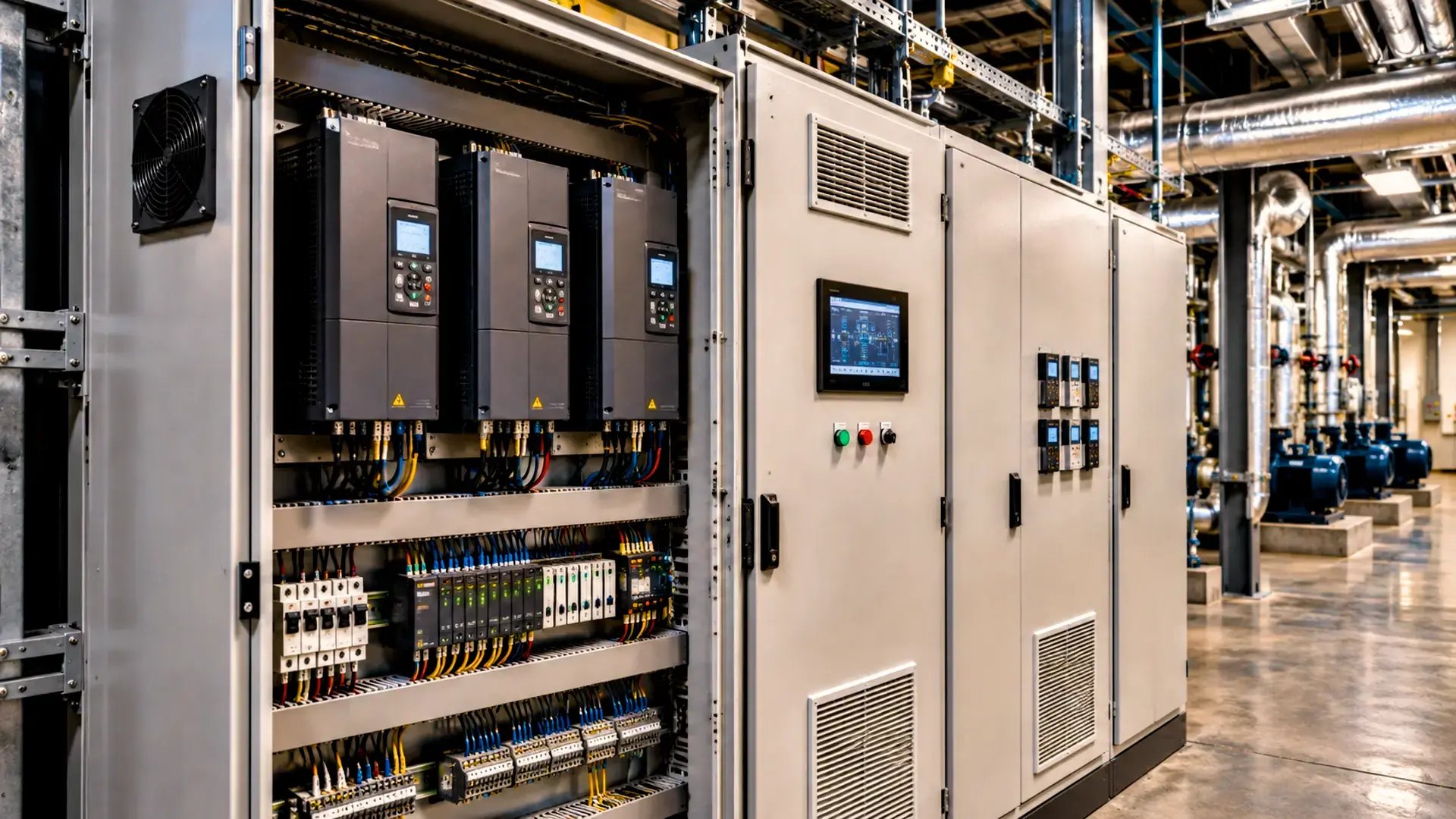
Electrical distribution
Vibration-based tools (Augury, AssetWatch) only monitor motors and rotating equipment. AssetWatch adds motor-current monitoring from a sensor in the panel, but for a limited set of faults. Neither covers the health of the panels, switchgear, MCCs, VFD banks, or UPS rooms themselves, a common source of cascading failures in high-throughput facilities.
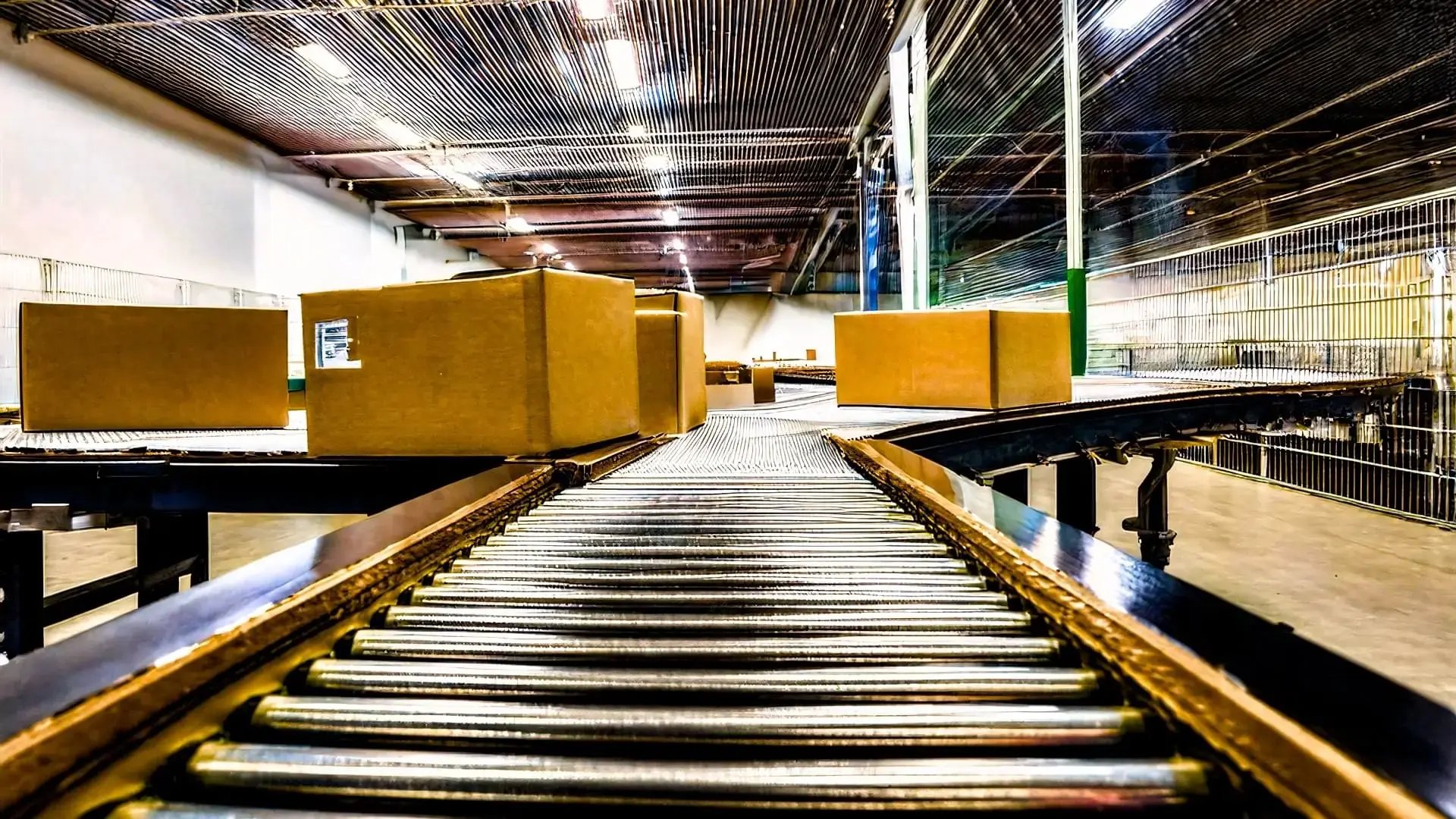
Detection speed
Battery-powered vibration sensors trade sampling frequency for spectral depth and battery life, so readings occur about once an hour and a finding is typically confirmed over time across several readings. Fast-developing faults can progress between readings. With continuous thermal imaging, teams are shown where heat is building on a specific component, and linked visual footage supports fast verification. Neither Augury nor AssetWatch publishes fixed radiometric thermal imaging.
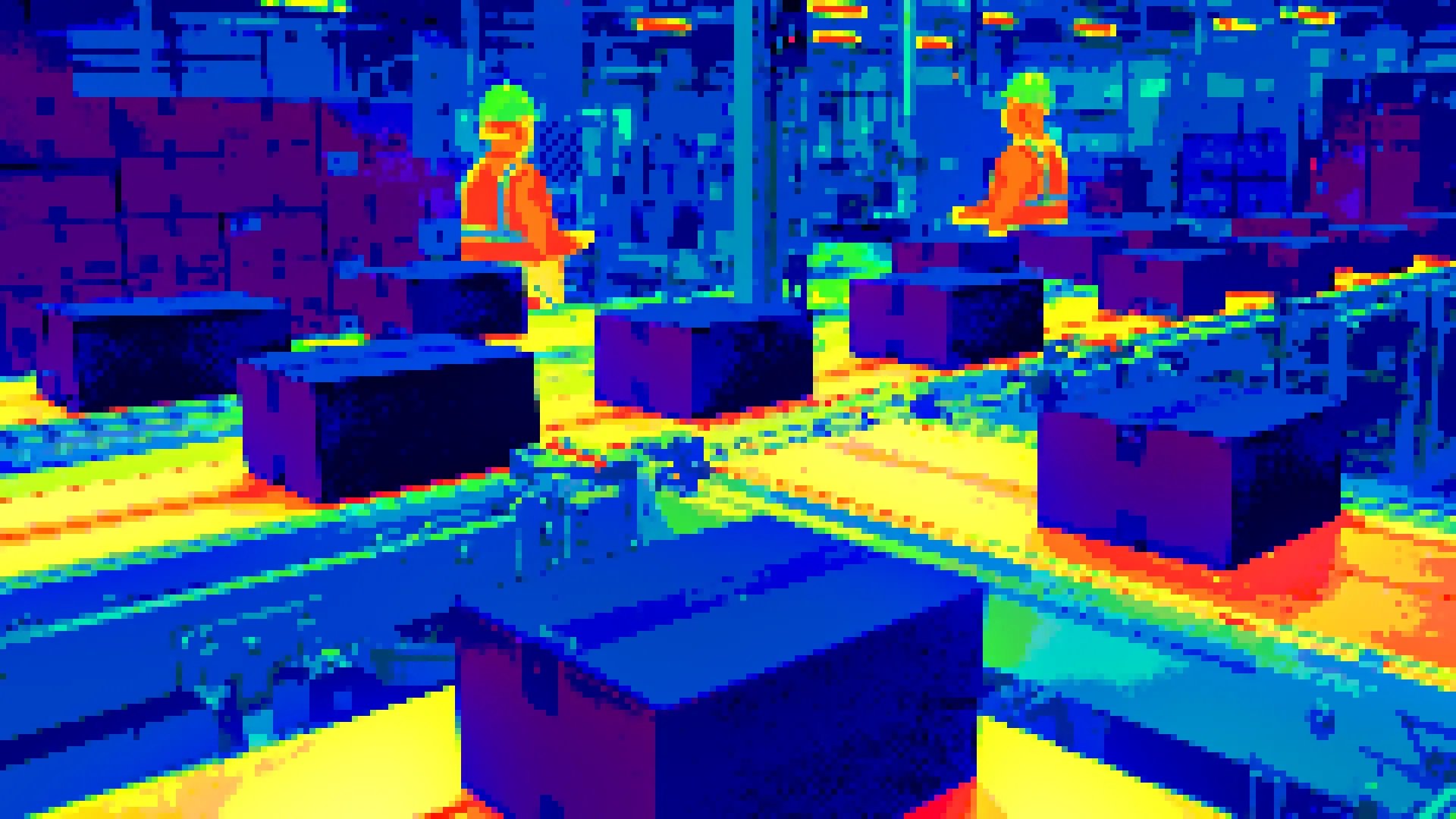
Thermal-only monitoring
Fixed thermal cameras, such as FLIR's, show heat on the surfaces in their field of view. Heat communicates how fast a fault is progressing, but not how severe the mechanical change is, and faults like bearing wear often change vibration before they generate heat. Assets outside the camera's line of sight aren't covered.
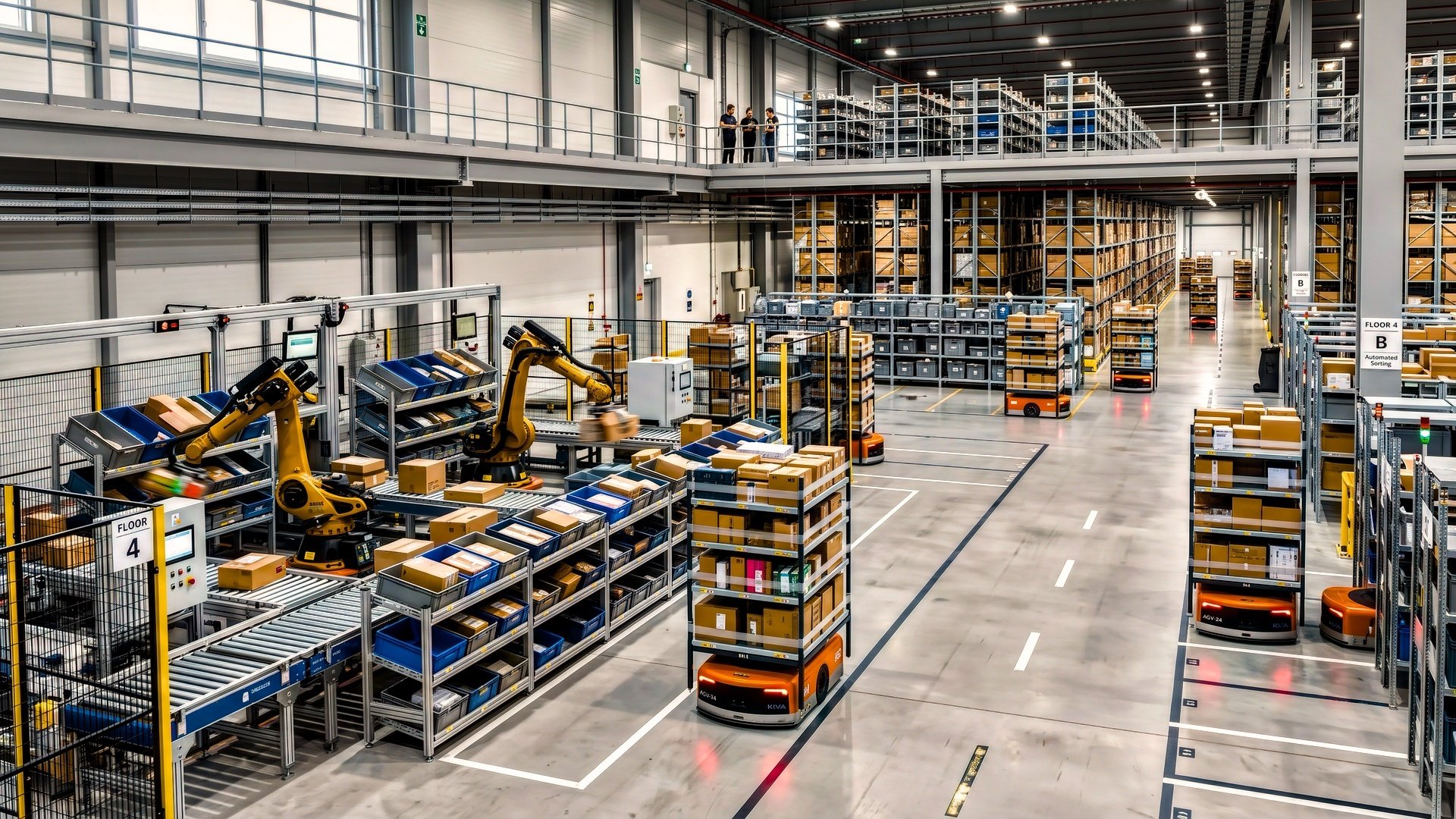
Facility-wide coverage
Rotating-equipment-focused tools (Augury, AssetWatch) either leave out electrical or limit it to a subset of motor electrical faults, and only on rotating assets. Many non-rotating assets aren't covered, and slow-rotating or intermittent-duty equipment is a known limit for vibration sensing built for continuous operation. Augury sells separate, wired hardware for ultra-low RPM assets, which adds hardware and costs.

Both signals, one view
Where thermal and vibration are deployed together, teams see both signals for the same asset in one place, covering mechanical and electrical risk, so they can make a call quickly.

Continuous monitoring
Fixed-mount radiometric thermal sensors trend temperature 24/7, and vibration sensors on the same asset sample vibration in under a second. Built for faults that develop quickly.

Augmentation, not replacement
MultiSensor AI operates above your existing CMMS, BMS, DCIM, PLC, or SCADA systems and sends alerts into them. No new system of record is needed.

Full-facility coverage
See electrical, mechanical, and thermal risk together, on the assets that stop high-throughput operations: high-speed sorters, MCC and VFD banks, induction systems, conveyors, switchgear, and UPS. Built for distribution centers, parcel hubs, airport operations, and data centers, where a single point of failure during a peak sort window can cascade into missed SLAs.

Slow-rotating and intermittent-duty assets
Vibration sensing designed for slow-rotating and intermittent-duty equipment, paired with thermal trending on the same asset.
See Real-World Results, Then Plan for Yours
Continuous thermal monitoring at a multinational retailer’s fulfillment center flagged a tray router discharge belt before it failed. The fix took one hour during scheduled downtime, avoiding $18,000 in labor downtime and $6,500 in belt replacement.
“The biggest shift for us wasn’t adding more data, it was seeing issues earlier. Once you can see degradation before it becomes a fault, you stop reacting and start planning.”

Continuous thermal monitoring at a Fortune 50 distribution facility detected early-stage failures across critical conveyance assets, so repairs happened during planned downtime. As a result, the customer saw 20x ROI, 30% reduction in downtime, and 40% lower maintenance costs.