Manufacturing-first design
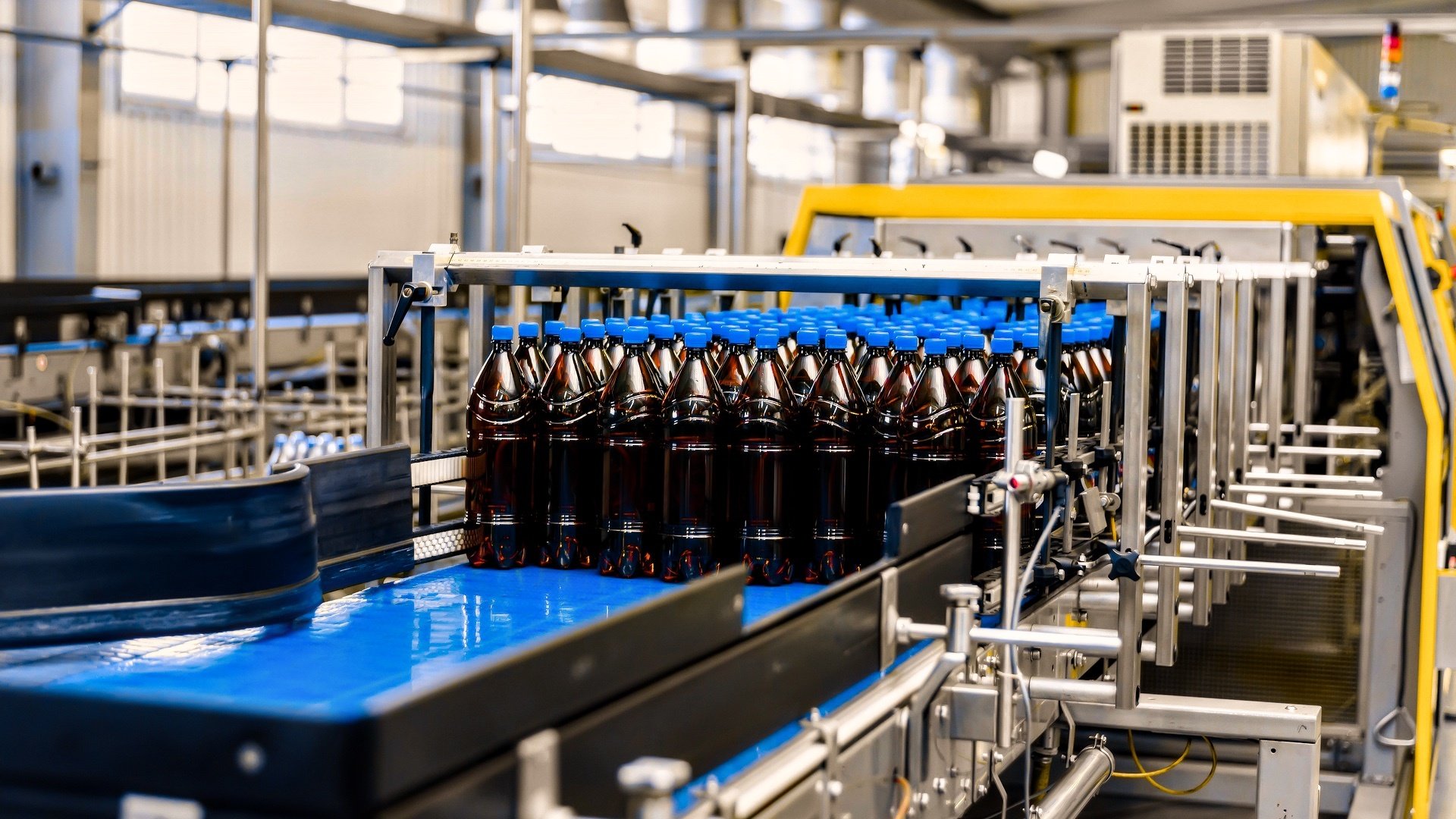
Augury's platform and expert services are built around manufacturing and process plants, and its published industry pages cover sectors like food and beverage, CPG, chemicals, and metals. None address distribution centers, parcel hubs, or data centers. That matters because manufacturing reliability programs rely on deep spectral analytics, such as telling an inner race bearing fault from an outer race fault, which take hours of data to develop. In distribution, parcel, and airport operations, time is money, and faults that develop rapidly need to be seen quickly.
Motor-level electrical, not electrical distribution
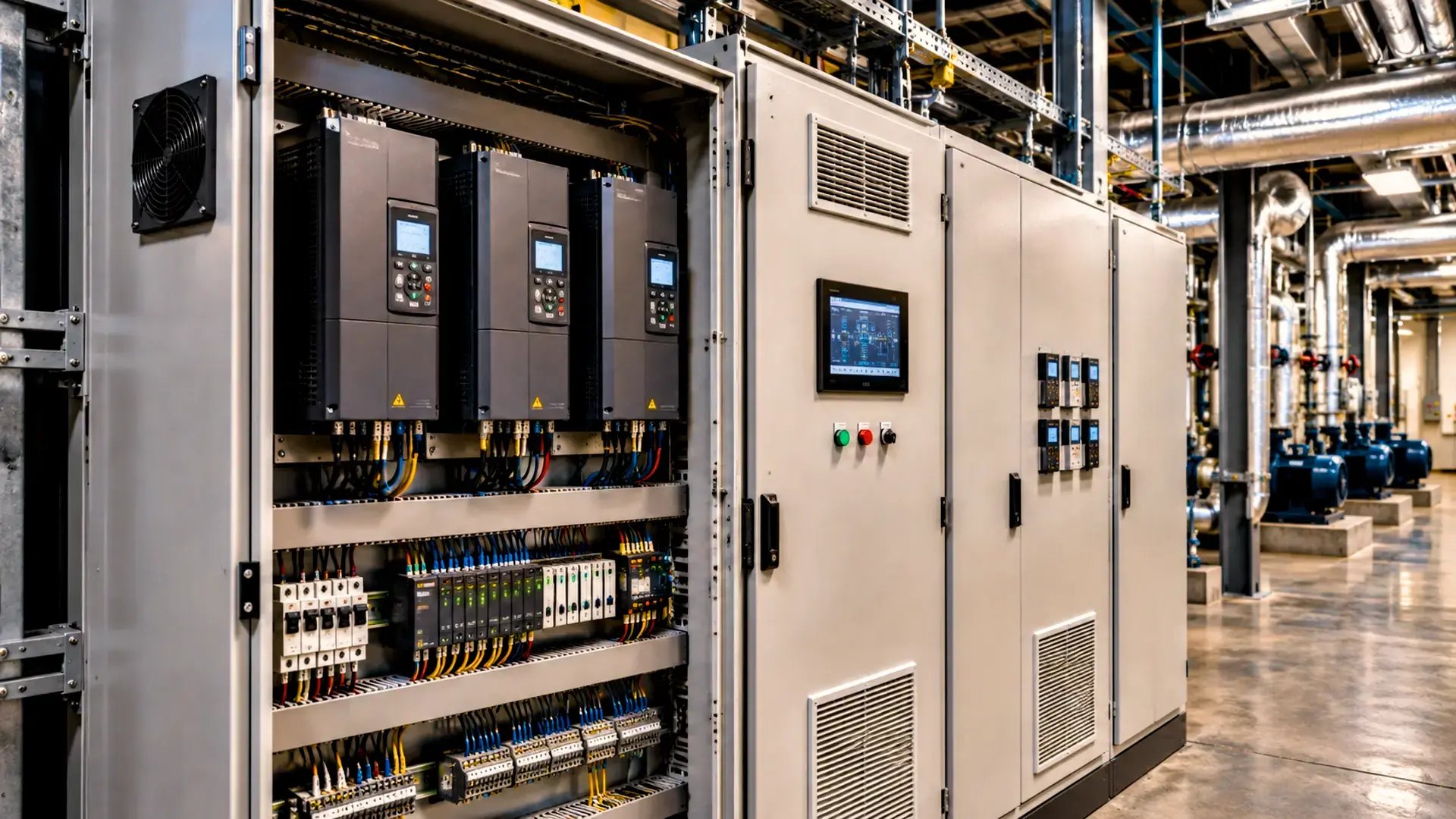
Augury's magnetic flux sensing can surface some motor electrical faults, such as rotor bar and stator winding issues, but that covers only a few electrical use cases. Panels, switchgear, MCCs, and UPS rooms, where electrical faults can cascade into facility-wide outages, aren't part of its published coverage, and thermal imaging covers a wider range of electrical failure modes.
Point coverage, not full-facility coverage
Because Augury's model concentrates on machine health for rotating assets, facilities also managing electrical and automation risk needing a second monitoring approach for anything outside its published coverage. Slow-rotating assets need Augury's separate, wired ultra-low RPM hardware, which means more hardware and more cost, not less.
Why Facilities Choose MultiSensor AI Instead
-
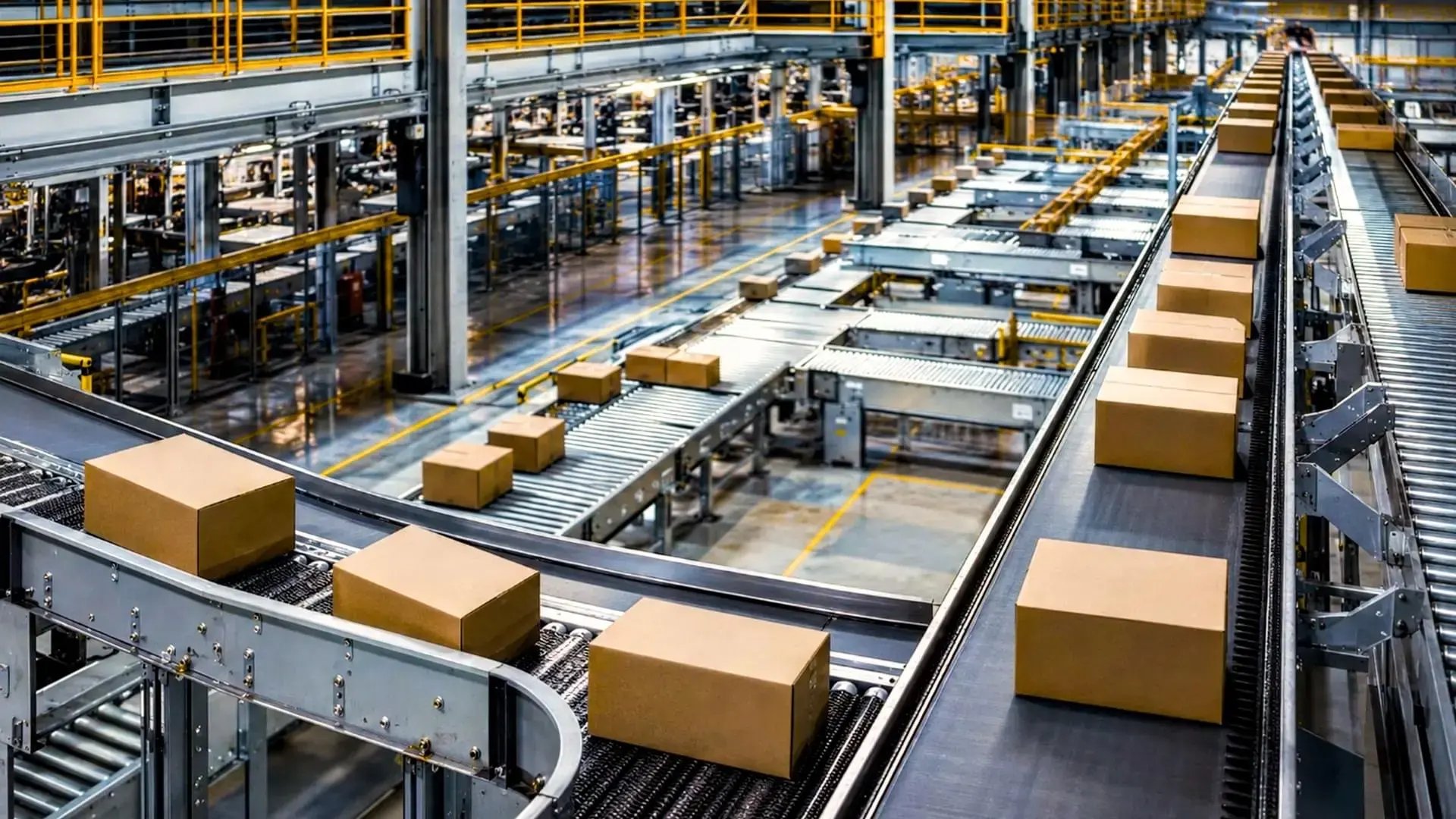
Built for distribution and logistics environments, including sorters, conveyors, MCC and VFD banks, and automation faults.

-
Covers electrical fault detection in panels, MCCs, and UPS rooms, which sits outside Augury's published coverage.

-
One platform for electrical, mechanical, and thermal risk together, instead of needing a second system for anything outside rotating equipment.

-
Operates above existing CMMS, BMS, DCIM, PLC, or SCADA systems rather than requiring a new system of record.

See Real-World Results, Then Plan for Yours
“On a high-speed belt the failure mode moves in hours. Heat is the first thing that changes — for years I had no way to watch it between inspections.”